Insights
Market Insight for Your Next Move.
Perspectives on hiring, careers and the market, shaped by what we are seeing across South East Queensland.
Trusted by leading businesses across South East Queensland.
























Trusted by leading businesses across South East Queensland.
Categories
Tag
Authors
Recent Posts

News
Media
Recruitment
Employment
Employment Trends
Recruitment
Migration Crackdown is Coming: What it Could Mean for South East Queensland Jobs
South East Queensland employers could face a major shift in workforce availability following the Federal Government’s announcement of sweeping changes to Australia’s migration system.
The reforms, announced on Thursday, target international students, working holiday makers and visa overstayers while placing greater emphasis on skilled migration into industries experiencing workforce shortages.
For South East Queensland, the changes arrive as Brisbane, the Gold Coast and Sunshine Coast continue to experience significant population growth, infrastructure investment and increasing demand for skilled workers.
Whitefox Recruitment Managing Director Luke Hemmings said the announcement could have important implications for employers across the region.
“This goes well beyond immigration policy. For businesses across South East Queensland, this is ultimately about where the people required to support the region’s growth are going to come from.”
Under the changes, the Federal Government intends to treat net overseas migration forecasts of 245,000 this financial year and 225,000 the following year as targets, rather than simply projections.
The government has also announced plans to redesign the skilled migration points system and prioritise visa processing across construction, healthcare, agriculture, fisheries and teaching.
Housing construction trades are expected to receive greater recognition within the points framework, reflecting continued workforce shortages across the sector.
For South East Queensland, where billions of dollars in infrastructure, residential and commercial development are expected over the coming decade, the shift could prove significant.
Mr Hemmings said the workforce required to support the region’s growth extended considerably beyond traditional construction roles.
“When we talk about the infrastructure pipeline across South East Queensland, people naturally think about trades. But every major project also requires engineers, estimators, project managers, commercial professionals, finance teams, administrators and operational leaders.”
The region is already preparing for an extended period of development as Brisbane 2032 approaches, while population growth continues to place pressure on housing, healthcare, education and other essential services.
Whitefox Recruitment said greater priority for skilled migration in construction and healthcare could assist employers operating in sectors where experienced candidates remain difficult to secure.
However, other elements of the migration overhaul could create different challenges.
The government has announced significant changes to the Working Holiday Maker program, which provides an important source of workers across hospitality, tourism, agriculture and other industries.
Under the proposed changes, second-year Working Holiday Maker places would be capped at 45,000.
Applicants would continue to complete 88 days of specified regional work before entering a ballot for those places.
Third-year places would be substantially reduced, with just 5,000 positions available and applicants required to complete six months of specified regional work before entering the ballot.
Approximately 57,000 working holiday makers remained in Australia for a second year last year, while around 31,000 progressed into a third year.
Whitefox Recruitment said any significant reduction in the number of working holiday makers remaining in Australia could be particularly noticeable across tourism-dependent markets.
The Gold Coast and Sunshine Coast maintain substantial tourism and hospitality industries, while Brisbane’s accommodation, events and hospitality sectors also employ significant numbers of temporary workers.
Mr Hemmings said employers reliant on that candidate market should pay close attention to the reforms.
“Working holiday makers have become a genuine part of the workforce across South East Queensland, particularly in hospitality and tourism.
“If fewer people are remaining for a second or third year, businesses could find themselves competing much more heavily for the workers who are available.”
International students are also facing tighter conditions.
Students seeking to change courses would generally be required to apply for another visa, while graduates undertaking further study would be expected to demonstrate progression to a higher qualification.
International students would also largely be prevented from adding family members to their visas, subject to several exemptions.
Visitor visas would generally carry a “no further stay” condition, restricting the ability of visitors to enter Australia before moving onto another visa while remaining in the country.
The government said the measures were designed to reduce so-called “visa hopping” and strengthen control over temporary migration.
For South East Queensland employers, Whitefox Recruitment said the potential impact would again be concentrated in industries that have traditionally employed significant numbers of international students.
Brisbane and the Gold Coast are both major international education markets, with students forming part of the casual and part-time workforce across hospitality, retail and other service industries.
Mr Hemmings said businesses should understand how dependent their operations were on particular categories of temporary workers.
“If a meaningful percentage of your workforce comes from international students or working holiday makers, changes to those programs become a commercial consideration.
“It doesn’t mean businesses should panic. It means they need to understand their workforce and have a plan if candidate availability changes.”
The reforms come as South East Queensland’s employment market continues to evolve.
Brisbane, the Gold Coast and Sunshine Coast are becoming increasingly connected as businesses compete for candidates across the wider region rather than within individual cities.
Flexible working arrangements, improved connectivity and continued population movement have also expanded the geographic area in which employers search for talent.
Whitefox Recruitment said that shift had created greater access to candidates while simultaneously increasing competition for experienced professionals.
“A Gold Coast employer is no longer necessarily competing only with another Gold Coast business,” Mr Hemmings said.
“They could be competing with Brisbane, the Sunshine Coast or a business offering flexibility across the entire region. South East Queensland is increasingly becoming one connected employment market.”
Professional services are also expected to feel the effects of the region’s continued expansion.
As businesses grow, demand is increasing for experienced people across finance, legal, operations, executive support, human resources, marketing and senior management.
Whitefox Recruitment said population growth did not automatically translate into greater availability of experienced candidates.
The strongest professionals, particularly across specialist and leadership positions, often remain employed and can have multiple options when considering their next move.
Mr Hemmings said that made longer-term workforce planning increasingly important.
“Population growth and candidate availability are two very different things. You can have thousands of people moving into a region and still have serious shortages in particular professions.”
The company said migration would remain an important part of addressing workforce shortages, particularly where Australian businesses were unable to find appropriately skilled candidates locally.
However, employers would increasingly need to balance migration with retention, internal development, succession planning and earlier engagement with prospective employees.
Whitefox Recruitment said businesses planning for 2027 and beyond should begin identifying positions that would be difficult to replace and areas where workforce shortages could restrict future growth.
That includes understanding reliance on temporary visa holders and identifying where skilled migration may form part of a longer-term workforce strategy.
Mr Hemmings said South East Queensland’s growth trajectory made those conversations increasingly important.
“We have an extraordinary decade ahead of us across South East Queensland, but growth requires people.
“You can announce infrastructure, approve development and attract investment, but ultimately someone has to deliver it.”
The Federal Government has indicated that some elements of the migration overhaul can be implemented through existing ministerial powers, while others will require legislation and parliamentary support.
For South East Queensland employers, the full impact will therefore take time to become clear.
What is already apparent is that the region’s future workforce will remain closely connected to Australia’s migration settings.
Construction will require skilled workers to deliver the infrastructure and housing pipeline.
Healthcare will require additional professionals to service an expanding population.
Hospitality and tourism businesses will continue requiring substantial frontline workforces.
And the businesses growing alongside those industries will require experienced professionals and leaders capable of supporting increasingly sophisticated organisations.
Mr Hemmings said the businesses best positioned for that growth would be those planning for their workforce before shortages became critical.
“The employers that wait until somebody resigns before thinking about where their next person will come from are taking an increasingly significant risk.
“The businesses thinking two or three years ahead will be in a much stronger position.”
South East Queensland’s next decade of growth is already taking shape.
Brisbane 2032 is approaching, infrastructure investment continues, population growth remains significant and the region’s major employment markets are becoming increasingly connected.
Australia’s migration settings are now changing alongside them.
For South East Queensland businesses, the question is no longer simply how much the region will grow.
It is whether there will be enough people with the right skills to support it.
8
Min Read
News
Media
Recruitment
Employment
Employment Trends
Recruitment
Migration Crackdown is Coming: What it Could Mean for South East Queensland Jobs
South East Queensland employers could face a major shift in workforce availability following the Federal Government’s announcement of sweeping changes to Australia’s migration system.
The reforms, announced on Thursday, target international students, working holiday makers and visa overstayers while placing greater emphasis on skilled migration into industries experiencing workforce shortages.
For South East Queensland, the changes arrive as Brisbane, the Gold Coast and Sunshine Coast continue to experience significant population growth, infrastructure investment and increasing demand for skilled workers.
Whitefox Recruitment Managing Director Luke Hemmings said the announcement could have important implications for employers across the region.
“This goes well beyond immigration policy. For businesses across South East Queensland, this is ultimately about where the people required to support the region’s growth are going to come from.”
Under the changes, the Federal Government intends to treat net overseas migration forecasts of 245,000 this financial year and 225,000 the following year as targets, rather than simply projections.
The government has also announced plans to redesign the skilled migration points system and prioritise visa processing across construction, healthcare, agriculture, fisheries and teaching.
Housing construction trades are expected to receive greater recognition within the points framework, reflecting continued workforce shortages across the sector.
For South East Queensland, where billions of dollars in infrastructure, residential and commercial development are expected over the coming decade, the shift could prove significant.
Mr Hemmings said the workforce required to support the region’s growth extended considerably beyond traditional construction roles.
“When we talk about the infrastructure pipeline across South East Queensland, people naturally think about trades. But every major project also requires engineers, estimators, project managers, commercial professionals, finance teams, administrators and operational leaders.”
The region is already preparing for an extended period of development as Brisbane 2032 approaches, while population growth continues to place pressure on housing, healthcare, education and other essential services.
Whitefox Recruitment said greater priority for skilled migration in construction and healthcare could assist employers operating in sectors where experienced candidates remain difficult to secure.
However, other elements of the migration overhaul could create different challenges.
The government has announced significant changes to the Working Holiday Maker program, which provides an important source of workers across hospitality, tourism, agriculture and other industries.
Under the proposed changes, second-year Working Holiday Maker places would be capped at 45,000.
Applicants would continue to complete 88 days of specified regional work before entering a ballot for those places.
Third-year places would be substantially reduced, with just 5,000 positions available and applicants required to complete six months of specified regional work before entering the ballot.
Approximately 57,000 working holiday makers remained in Australia for a second year last year, while around 31,000 progressed into a third year.
Whitefox Recruitment said any significant reduction in the number of working holiday makers remaining in Australia could be particularly noticeable across tourism-dependent markets.
The Gold Coast and Sunshine Coast maintain substantial tourism and hospitality industries, while Brisbane’s accommodation, events and hospitality sectors also employ significant numbers of temporary workers.
Mr Hemmings said employers reliant on that candidate market should pay close attention to the reforms.
“Working holiday makers have become a genuine part of the workforce across South East Queensland, particularly in hospitality and tourism.
“If fewer people are remaining for a second or third year, businesses could find themselves competing much more heavily for the workers who are available.”
International students are also facing tighter conditions.
Students seeking to change courses would generally be required to apply for another visa, while graduates undertaking further study would be expected to demonstrate progression to a higher qualification.
International students would also largely be prevented from adding family members to their visas, subject to several exemptions.
Visitor visas would generally carry a “no further stay” condition, restricting the ability of visitors to enter Australia before moving onto another visa while remaining in the country.
The government said the measures were designed to reduce so-called “visa hopping” and strengthen control over temporary migration.
For South East Queensland employers, Whitefox Recruitment said the potential impact would again be concentrated in industries that have traditionally employed significant numbers of international students.
Brisbane and the Gold Coast are both major international education markets, with students forming part of the casual and part-time workforce across hospitality, retail and other service industries.
Mr Hemmings said businesses should understand how dependent their operations were on particular categories of temporary workers.
“If a meaningful percentage of your workforce comes from international students or working holiday makers, changes to those programs become a commercial consideration.
“It doesn’t mean businesses should panic. It means they need to understand their workforce and have a plan if candidate availability changes.”
The reforms come as South East Queensland’s employment market continues to evolve.
Brisbane, the Gold Coast and Sunshine Coast are becoming increasingly connected as businesses compete for candidates across the wider region rather than within individual cities.
Flexible working arrangements, improved connectivity and continued population movement have also expanded the geographic area in which employers search for talent.
Whitefox Recruitment said that shift had created greater access to candidates while simultaneously increasing competition for experienced professionals.
“A Gold Coast employer is no longer necessarily competing only with another Gold Coast business,” Mr Hemmings said.
“They could be competing with Brisbane, the Sunshine Coast or a business offering flexibility across the entire region. South East Queensland is increasingly becoming one connected employment market.”
Professional services are also expected to feel the effects of the region’s continued expansion.
As businesses grow, demand is increasing for experienced people across finance, legal, operations, executive support, human resources, marketing and senior management.
Whitefox Recruitment said population growth did not automatically translate into greater availability of experienced candidates.
The strongest professionals, particularly across specialist and leadership positions, often remain employed and can have multiple options when considering their next move.
Mr Hemmings said that made longer-term workforce planning increasingly important.
“Population growth and candidate availability are two very different things. You can have thousands of people moving into a region and still have serious shortages in particular professions.”
The company said migration would remain an important part of addressing workforce shortages, particularly where Australian businesses were unable to find appropriately skilled candidates locally.
However, employers would increasingly need to balance migration with retention, internal development, succession planning and earlier engagement with prospective employees.
Whitefox Recruitment said businesses planning for 2027 and beyond should begin identifying positions that would be difficult to replace and areas where workforce shortages could restrict future growth.
That includes understanding reliance on temporary visa holders and identifying where skilled migration may form part of a longer-term workforce strategy.
Mr Hemmings said South East Queensland’s growth trajectory made those conversations increasingly important.
“We have an extraordinary decade ahead of us across South East Queensland, but growth requires people.
“You can announce infrastructure, approve development and attract investment, but ultimately someone has to deliver it.”
The Federal Government has indicated that some elements of the migration overhaul can be implemented through existing ministerial powers, while others will require legislation and parliamentary support.
For South East Queensland employers, the full impact will therefore take time to become clear.
What is already apparent is that the region’s future workforce will remain closely connected to Australia’s migration settings.
Construction will require skilled workers to deliver the infrastructure and housing pipeline.
Healthcare will require additional professionals to service an expanding population.
Hospitality and tourism businesses will continue requiring substantial frontline workforces.
And the businesses growing alongside those industries will require experienced professionals and leaders capable of supporting increasingly sophisticated organisations.
Mr Hemmings said the businesses best positioned for that growth would be those planning for their workforce before shortages became critical.
“The employers that wait until somebody resigns before thinking about where their next person will come from are taking an increasingly significant risk.
“The businesses thinking two or three years ahead will be in a much stronger position.”
South East Queensland’s next decade of growth is already taking shape.
Brisbane 2032 is approaching, infrastructure investment continues, population growth remains significant and the region’s major employment markets are becoming increasingly connected.
Australia’s migration settings are now changing alongside them.
For South East Queensland businesses, the question is no longer simply how much the region will grow.
It is whether there will be enough people with the right skills to support it.
8
Min Read

General
News
Recruitment
Market Update
Gold Coast
Gold Coast Recruitment
Employment Trends
Employment
Gold Coast Business Outlook: Why 2027 Could Be a Defining Year for the City
Over the past six years, I have watched the Gold Coast change considerably. It has always been one of Australia’s most desirable places to live, but increasingly it is becoming something much broader than that. The city is maturing as a business market, employers are thinking more strategically, investment continues to flow into the region and the conversations we are having with organisations today are markedly different to those we were having only a few years ago.
From where I sit as Managing Director of Whitefox Recruitment, the biggest change is not simply that businesses are hiring. It is the way they are hiring. Employers are becoming more deliberate about structure, leadership and capability. More organisations are thinking beyond the next vacancy and asking what their business needs to look like in three, five or even ten years. That change in mindset says a lot about where the Gold Coast is heading.
Infrastructure is playing a major role in that evolution. The opening of the Gold Coast Light Rail through to Burleigh Heads has created a continuous public transport corridor stretching from Helensvale through Southport, Surfers Paradise, Broadbeach and now Burleigh. Many people understandably see that as a transport outcome. I see it as something much more significant for business and employment.
For years, one of the practical limitations of recruiting on the Gold Coast has been geography. Candidates would routinely rule out opportunities because the commute from one part of the city to another simply did not stack up. As connectivity improves, that barrier starts to reduce. Employers gain access to a broader candidate market and professionals become more willing to consider roles outside the immediate area in which they live. Over time, I believe that will materially influence where businesses establish themselves, where talent moves and how the Gold Coast develops as one connected commercial economy.
The city is also showing signs of becoming more ambitious in the type of investment and innovation it attracts. This week’s coverage around new electric helicopter technology and Gold Coast HeliTours is a good example. On its own, it may look like an aviation or tourism story. Put alongside major transport investment, continued development and the Gold Coast’s broader growth trajectory, and it becomes part of a much larger picture. The city is increasingly willing to adopt new technology, attract new ideas and position itself as more than a traditional tourism economy.
That broader confidence is also reflected in the employment market.
Recruitment has changed over the past year, but I would not describe the Gold Coast market as weak. It has simply become more mature. The frantic hiring conditions seen through parts of the post-pandemic period have eased, businesses are applying greater scrutiny to headcount and candidates are taking a more considered approach to changing jobs. At the same time, demand for genuinely strong people remains high.
That distinction is important. There may be more candidates prepared to have a conversation than there were at the peak of the market, but exceptional candidates are still difficult to secure. The strongest professionals remain employed, they generally have options and they are increasingly evaluating far more than salary when considering a move. Leadership, stability, flexibility, progression and confidence in the direction of the business are all carrying considerably more weight.
We are also seeing the Gold Coast economy become more diverse in the types of people businesses need. Construction and property remain strong, supported by continued development and infrastructure investment. Professional services are maturing, with greater demand for experienced people across finance, legal, executive support, marketing, operations and management. Healthcare remains a major employer, while hospitality, tourism and retail continue to form an important part of the region’s economic base.
The interesting shift is at the senior and specialist end of the market. Gold Coast businesses are becoming more sophisticated faster than the local talent pool is deepening in some disciplines. That creates competition for proven people. In many cases, employers are no longer simply looking for someone who can perform the job. They are looking for people who can lead teams, improve commercial performance, strengthen culture and contribute to the next phase of the organisation.
That is where recruitment has become far more strategic.
The businesses achieving the strongest outcomes are generally the ones that move efficiently, know exactly what they are looking for and can articulate why an exceptional candidate should leave a secure role to join them. The highest salary does not automatically win. A compelling business, strong leadership and a credible career opportunity often matter just as much.
Speed remains another major factor. We continue to see good candidates lost because businesses take too long to make decisions. Additional interview stages, delayed approvals and internal uncertainty can quickly turn a strong recruitment process into a missed opportunity. Even in a more balanced employment market, exceptional people rarely remain available for long.
Looking towards 2027, I expect these dynamics to become even more pronounced.
The Gold Coast will continue to benefit from population growth, infrastructure investment, development and the longer-term economic activity associated with Brisbane 2032. Improved connectivity should make the local labour market more fluid, while continued commercial growth will increase demand for experienced professionals and leaders. I also expect more businesses to begin thinking seriously about workforce planning rather than relying on reactive recruitment when someone resigns.
That shift will be critical.
The businesses best positioned for 2027 will be those already identifying where their capability gaps are likely to emerge and building relationships with talent before the requirement becomes urgent. Waiting until a key person leaves and then expecting the right replacement to appear within two weeks is becoming an increasingly risky way to operate.
September and October are therefore particularly important. Businesses commencing recruitment now still have a realistic opportunity to identify and secure people before the Christmas slowdown. Those leaving critical appointments until November can quickly find themselves dealing with notice periods, annual leave, shutdowns and commencement dates extending well into the new year.
My view is that 2027 will not necessarily be characterised by an employment boom. It will be characterised by better businesses becoming more deliberate about the people they hire and retain.
The Gold Coast has spent years building infrastructure, attracting investment and establishing itself as one of the most desirable cities in the country. The next challenge is ensuring the local workforce and business community can keep pace with that growth.
I believe the biggest constraint facing many Gold Coast businesses over the next five years will not be finding customers. It will be finding, developing and retaining enough exceptional people to support their ambition.
That is why the employment market matters so much to the wider economic story.
The Gold Coast is no longer simply growing in size. It is growing in sophistication.
From where I sit, 2027 could prove to be one of the most important years in that evolution.
5
Min Read
General
News
Recruitment
Market Update
Gold Coast
Gold Coast Recruitment
Employment Trends
Employment
Gold Coast Business Outlook: Why 2027 Could Be a Defining Year for the City
Over the past six years, I have watched the Gold Coast change considerably. It has always been one of Australia’s most desirable places to live, but increasingly it is becoming something much broader than that. The city is maturing as a business market, employers are thinking more strategically, investment continues to flow into the region and the conversations we are having with organisations today are markedly different to those we were having only a few years ago.
From where I sit as Managing Director of Whitefox Recruitment, the biggest change is not simply that businesses are hiring. It is the way they are hiring. Employers are becoming more deliberate about structure, leadership and capability. More organisations are thinking beyond the next vacancy and asking what their business needs to look like in three, five or even ten years. That change in mindset says a lot about where the Gold Coast is heading.
Infrastructure is playing a major role in that evolution. The opening of the Gold Coast Light Rail through to Burleigh Heads has created a continuous public transport corridor stretching from Helensvale through Southport, Surfers Paradise, Broadbeach and now Burleigh. Many people understandably see that as a transport outcome. I see it as something much more significant for business and employment.
For years, one of the practical limitations of recruiting on the Gold Coast has been geography. Candidates would routinely rule out opportunities because the commute from one part of the city to another simply did not stack up. As connectivity improves, that barrier starts to reduce. Employers gain access to a broader candidate market and professionals become more willing to consider roles outside the immediate area in which they live. Over time, I believe that will materially influence where businesses establish themselves, where talent moves and how the Gold Coast develops as one connected commercial economy.
The city is also showing signs of becoming more ambitious in the type of investment and innovation it attracts. This week’s coverage around new electric helicopter technology and Gold Coast HeliTours is a good example. On its own, it may look like an aviation or tourism story. Put alongside major transport investment, continued development and the Gold Coast’s broader growth trajectory, and it becomes part of a much larger picture. The city is increasingly willing to adopt new technology, attract new ideas and position itself as more than a traditional tourism economy.
That broader confidence is also reflected in the employment market.
Recruitment has changed over the past year, but I would not describe the Gold Coast market as weak. It has simply become more mature. The frantic hiring conditions seen through parts of the post-pandemic period have eased, businesses are applying greater scrutiny to headcount and candidates are taking a more considered approach to changing jobs. At the same time, demand for genuinely strong people remains high.
That distinction is important. There may be more candidates prepared to have a conversation than there were at the peak of the market, but exceptional candidates are still difficult to secure. The strongest professionals remain employed, they generally have options and they are increasingly evaluating far more than salary when considering a move. Leadership, stability, flexibility, progression and confidence in the direction of the business are all carrying considerably more weight.
We are also seeing the Gold Coast economy become more diverse in the types of people businesses need. Construction and property remain strong, supported by continued development and infrastructure investment. Professional services are maturing, with greater demand for experienced people across finance, legal, executive support, marketing, operations and management. Healthcare remains a major employer, while hospitality, tourism and retail continue to form an important part of the region’s economic base.
The interesting shift is at the senior and specialist end of the market. Gold Coast businesses are becoming more sophisticated faster than the local talent pool is deepening in some disciplines. That creates competition for proven people. In many cases, employers are no longer simply looking for someone who can perform the job. They are looking for people who can lead teams, improve commercial performance, strengthen culture and contribute to the next phase of the organisation.
That is where recruitment has become far more strategic.
The businesses achieving the strongest outcomes are generally the ones that move efficiently, know exactly what they are looking for and can articulate why an exceptional candidate should leave a secure role to join them. The highest salary does not automatically win. A compelling business, strong leadership and a credible career opportunity often matter just as much.
Speed remains another major factor. We continue to see good candidates lost because businesses take too long to make decisions. Additional interview stages, delayed approvals and internal uncertainty can quickly turn a strong recruitment process into a missed opportunity. Even in a more balanced employment market, exceptional people rarely remain available for long.
Looking towards 2027, I expect these dynamics to become even more pronounced.
The Gold Coast will continue to benefit from population growth, infrastructure investment, development and the longer-term economic activity associated with Brisbane 2032. Improved connectivity should make the local labour market more fluid, while continued commercial growth will increase demand for experienced professionals and leaders. I also expect more businesses to begin thinking seriously about workforce planning rather than relying on reactive recruitment when someone resigns.
That shift will be critical.
The businesses best positioned for 2027 will be those already identifying where their capability gaps are likely to emerge and building relationships with talent before the requirement becomes urgent. Waiting until a key person leaves and then expecting the right replacement to appear within two weeks is becoming an increasingly risky way to operate.
September and October are therefore particularly important. Businesses commencing recruitment now still have a realistic opportunity to identify and secure people before the Christmas slowdown. Those leaving critical appointments until November can quickly find themselves dealing with notice periods, annual leave, shutdowns and commencement dates extending well into the new year.
My view is that 2027 will not necessarily be characterised by an employment boom. It will be characterised by better businesses becoming more deliberate about the people they hire and retain.
The Gold Coast has spent years building infrastructure, attracting investment and establishing itself as one of the most desirable cities in the country. The next challenge is ensuring the local workforce and business community can keep pace with that growth.
I believe the biggest constraint facing many Gold Coast businesses over the next five years will not be finding customers. It will be finding, developing and retaining enough exceptional people to support their ambition.
That is why the employment market matters so much to the wider economic story.
The Gold Coast is no longer simply growing in size. It is growing in sophistication.
From where I sit, 2027 could prove to be one of the most important years in that evolution.
5
Min Read

News
Sponsorship
Sponsorship
Whitefox Recruitment Terminates Sponsorship of Tolga Eden
Whitefox Recruitment has immediately terminated all sponsorship, promotional and brand association agreements with boxer Tolga Eden after serious allegations concerning his alleged private dealings were brought to the firm’s attention.
The allegations were raised with Whitefox Recruitment on Thursday, 27 August 2026, following correspondence received from the publisher of the Sunlight.Quest website referring the company to material published in Episode 10.
The publication contains allegations concerning Mr Eden’s alleged dealings with third parties, including conduct characterised by the publisher as attempted extortion.
Whitefox Recruitment was not a party to the alleged conduct described in the publication, had no involvement in the matters raised and had no prior knowledge of the allegations before receiving the correspondence.
Following an immediate review, the company determined that continuing its commercial association with Mr Eden was no longer appropriate.
Managing Director Luke Hemmings said Whitefox Recruitment acted swiftly to protect the integrity of the business and its brand.
“The allegations put to us are serious. Whitefox Recruitment was not involved in the matters alleged and is not in a position to determine their truth or otherwise. Once they were brought to our attention, however, we had a responsibility to assess our association and act in the best interests of the business, our clients and our brand.”
All sponsorship, promotional and brand association agreements with Mr Eden have now been terminated with immediate effect.
The company has also commenced removing references to the sponsorship from its active marketing and promotional material.
Mr Hemmings said the decision should not be interpreted as a finding against Mr Eden.
“Whitefox Recruitment is not a court and will not attempt to determine disputed allegations through public commentary. Allegations remain allegations unless and until they are established through the appropriate processes.”
However, the firm said the threshold for maintaining a commercial sponsorship is different.
“Sponsorship is built on brand alignment. Where serious allegations are brought to our attention that have the potential to adversely affect Whitefox Recruitment’s reputation, we reserve the right to act immediately.”
Whitefox Recruitment’s relationship with Mr Eden was limited to a commercial sponsorship associated with his boxing activities.
The company had no involvement in Mr Eden’s personal, financial or private affairs and rejects any suggestion that its sponsorship created responsibility for, knowledge of or participation in the matters alleged.
Whitefox Recruitment is also aware that the publication contains a number of statements and assertions directed specifically at the firm and its Managing Director.
Those statements extend beyond commentary concerning Mr Eden and his alleged conduct and include broader assertions and derogatory characterisations concerning Whitefox Recruitment, its reputation and its commercial standing.
Whitefox Recruitment unequivocally rejects any suggestion that it participated in, facilitated, had knowledge of or bears responsibility for the conduct alleged against Mr Eden or any third party.
The firm considers a number of the statements published concerning Whitefox Recruitment to be serious and has referred those matters to its legal advisers.
Mr Hemmings said the firm would not engage in a public exchange with the publisher.
“There is an important distinction between reporting allegations involving a person we previously sponsored and making separate assertions about Whitefox Recruitment itself. We reject any suggestion that this business was involved in, aware of or responsible for the alleged conduct.”
“We will not respond to personal attacks with personal attacks. Where statements concerning Whitefox Recruitment raise legal or reputational concerns, those matters will be dealt with through the appropriate channels.”
Whitefox Recruitment confirms it is taking advice from its legal counsel regarding the correspondence received, the publication, the statements made concerning the firm and the company’s position.
The company reserves all of its legal rights.
Whitefox Recruitment will not make any further public comment while that process is ongoing.
5
Min Read
News
Sponsorship
Sponsorship
Whitefox Recruitment Terminates Sponsorship of Tolga Eden
Whitefox Recruitment has immediately terminated all sponsorship, promotional and brand association agreements with boxer Tolga Eden after serious allegations concerning his alleged private dealings were brought to the firm’s attention.
The allegations were raised with Whitefox Recruitment on Thursday, 27 August 2026, following correspondence received from the publisher of the Sunlight.Quest website referring the company to material published in Episode 10.
The publication contains allegations concerning Mr Eden’s alleged dealings with third parties, including conduct characterised by the publisher as attempted extortion.
Whitefox Recruitment was not a party to the alleged conduct described in the publication, had no involvement in the matters raised and had no prior knowledge of the allegations before receiving the correspondence.
Following an immediate review, the company determined that continuing its commercial association with Mr Eden was no longer appropriate.
Managing Director Luke Hemmings said Whitefox Recruitment acted swiftly to protect the integrity of the business and its brand.
“The allegations put to us are serious. Whitefox Recruitment was not involved in the matters alleged and is not in a position to determine their truth or otherwise. Once they were brought to our attention, however, we had a responsibility to assess our association and act in the best interests of the business, our clients and our brand.”
All sponsorship, promotional and brand association agreements with Mr Eden have now been terminated with immediate effect.
The company has also commenced removing references to the sponsorship from its active marketing and promotional material.
Mr Hemmings said the decision should not be interpreted as a finding against Mr Eden.
“Whitefox Recruitment is not a court and will not attempt to determine disputed allegations through public commentary. Allegations remain allegations unless and until they are established through the appropriate processes.”
However, the firm said the threshold for maintaining a commercial sponsorship is different.
“Sponsorship is built on brand alignment. Where serious allegations are brought to our attention that have the potential to adversely affect Whitefox Recruitment’s reputation, we reserve the right to act immediately.”
Whitefox Recruitment’s relationship with Mr Eden was limited to a commercial sponsorship associated with his boxing activities.
The company had no involvement in Mr Eden’s personal, financial or private affairs and rejects any suggestion that its sponsorship created responsibility for, knowledge of or participation in the matters alleged.
Whitefox Recruitment is also aware that the publication contains a number of statements and assertions directed specifically at the firm and its Managing Director.
Those statements extend beyond commentary concerning Mr Eden and his alleged conduct and include broader assertions and derogatory characterisations concerning Whitefox Recruitment, its reputation and its commercial standing.
Whitefox Recruitment unequivocally rejects any suggestion that it participated in, facilitated, had knowledge of or bears responsibility for the conduct alleged against Mr Eden or any third party.
The firm considers a number of the statements published concerning Whitefox Recruitment to be serious and has referred those matters to its legal advisers.
Mr Hemmings said the firm would not engage in a public exchange with the publisher.
“There is an important distinction between reporting allegations involving a person we previously sponsored and making separate assertions about Whitefox Recruitment itself. We reject any suggestion that this business was involved in, aware of or responsible for the alleged conduct.”
“We will not respond to personal attacks with personal attacks. Where statements concerning Whitefox Recruitment raise legal or reputational concerns, those matters will be dealt with through the appropriate channels.”
Whitefox Recruitment confirms it is taking advice from its legal counsel regarding the correspondence received, the publication, the statements made concerning the firm and the company’s position.
The company reserves all of its legal rights.
Whitefox Recruitment will not make any further public comment while that process is ongoing.
5
Min Read

General
Media
News
Whitefox Recruitment Hunts for New Gold Coast HQ as Firm Closes the Door on Southport
Whitefox Recruitment has officially vacated its former Southport CBD headquarters and commenced the search for a new flagship Gold Coast office, dismissing speculation the award-winning recruitment firm had ceased operating.
Managing Director Luke Hemmings said rumours circulating following the firm’s departure from the prominent Southport premises were simply incorrect.
“We’ve seen the speculation, and it couldn’t be further from the truth. Whitefox Recruitment hasn’t closed its doors. The only thing that’s changed is our address.”
The firm confirmed it remains fully operational, continuing to service employers and candidates across South East Queensland and Northern New South Wales while actively canvassing the commercial property market for its next headquarters.
The former office, positioned in the heart of the Southport CBD, had become synonymous with the Whitefox Recruitment brand during a significant period of the company’s growth.
However, following discussions surrounding the tenancy earlier this year, the parties were ultimately unable to reach a mutually acceptable commercial arrangement.
Rather than prolong the matter, Whitefox Recruitment elected to formally vacate the premises and focus its attention on the future.
“We made every reasonable effort to reach a commercial resolution. Ultimately, that wasn’t possible, and there comes a point where the right commercial decision is simply to move forward.”
With the Southport chapter now closed, the business has shifted its attention to securing its next home.
Mr Hemmings said the search was already well underway.
“We’re actively speaking with commercial agents, inspecting opportunities and assessing a number of potential headquarters across the Gold Coast. This isn’t about replacing an office. It’s about finding a headquarters that reflects the business Whitefox Recruitment has become.”
The search comes at a time when quality A-grade commercial office space remains tightly held across the Gold Coast, particularly for businesses seeking highly visible, client-facing premises in established commercial precincts.
Mr Hemmings said that scarcity meant the business would remain patient.
“When you’re looking for premium office space with the right exposure, presentation and commercial terms, the options narrow very quickly. We’d rather wait for the right property than compromise on something that doesn’t represent the next chapter of our business.”
The company said its next headquarters would place a strong emphasis on brand visibility, accessibility and client experience while supporting Whitefox Recruitment’s continued evolution as a search and talent advisory firm.
“Our next headquarters needs to be more than an office. It needs to represent the brand we’ve spent the past six years building and where we’re heading over the next decade.”
Despite vacating its Southport office, Whitefox Recruitment said the transition has had no impact on day-to-day operations.
Recruitment assignments, executive search mandates, candidate interviews and client meetings continue uninterrupted, with the business remaining fully operational throughout the transition.
Mr Hemmings said the firm expects to secure new premises by 2027 but would not rush into another long-term lease simply to satisfy a timeline.
“We’re confident we’ll have a new headquarters by 2027, but we’re focused on making the right decision, not the quickest one. Commercial property is a long-term investment, and we’re determined to secure a space that genuinely reflects the future of Whitefox Recruitment.”
Since opening in 2019, Whitefox Recruitment has grown into one of the Gold Coast’s most recognised boutique recruitment firms, building its reputation through executive search, talent advisory and a series of high-profile brand campaigns including fleet-wide bus advertising, major billboard placements and a major advertising activation inside Gold Coast Airport.
Mr Hemmings said the firm’s next headquarters would continue that philosophy.
“Every major decision we’ve made has been about positioning the business for the future. This is no different. We’re looking forward, not backwards.”
The Southport office has now been vacated.
The search for Whitefox Recruitment’s next Gold Coast headquarters has officially begun.
With inspections underway and discussions continuing across the commercial property market, the firm’s next address is expected to mark the beginning of another chapter, one built around a stronger location, a stronger brand presence and an even stronger future.
5
Min Read
General
Media
News
Whitefox Recruitment Hunts for New Gold Coast HQ as Firm Closes the Door on Southport
Whitefox Recruitment has officially vacated its former Southport CBD headquarters and commenced the search for a new flagship Gold Coast office, dismissing speculation the award-winning recruitment firm had ceased operating.
Managing Director Luke Hemmings said rumours circulating following the firm’s departure from the prominent Southport premises were simply incorrect.
“We’ve seen the speculation, and it couldn’t be further from the truth. Whitefox Recruitment hasn’t closed its doors. The only thing that’s changed is our address.”
The firm confirmed it remains fully operational, continuing to service employers and candidates across South East Queensland and Northern New South Wales while actively canvassing the commercial property market for its next headquarters.
The former office, positioned in the heart of the Southport CBD, had become synonymous with the Whitefox Recruitment brand during a significant period of the company’s growth.
However, following discussions surrounding the tenancy earlier this year, the parties were ultimately unable to reach a mutually acceptable commercial arrangement.
Rather than prolong the matter, Whitefox Recruitment elected to formally vacate the premises and focus its attention on the future.
“We made every reasonable effort to reach a commercial resolution. Ultimately, that wasn’t possible, and there comes a point where the right commercial decision is simply to move forward.”
With the Southport chapter now closed, the business has shifted its attention to securing its next home.
Mr Hemmings said the search was already well underway.
“We’re actively speaking with commercial agents, inspecting opportunities and assessing a number of potential headquarters across the Gold Coast. This isn’t about replacing an office. It’s about finding a headquarters that reflects the business Whitefox Recruitment has become.”
The search comes at a time when quality A-grade commercial office space remains tightly held across the Gold Coast, particularly for businesses seeking highly visible, client-facing premises in established commercial precincts.
Mr Hemmings said that scarcity meant the business would remain patient.
“When you’re looking for premium office space with the right exposure, presentation and commercial terms, the options narrow very quickly. We’d rather wait for the right property than compromise on something that doesn’t represent the next chapter of our business.”
The company said its next headquarters would place a strong emphasis on brand visibility, accessibility and client experience while supporting Whitefox Recruitment’s continued evolution as a search and talent advisory firm.
“Our next headquarters needs to be more than an office. It needs to represent the brand we’ve spent the past six years building and where we’re heading over the next decade.”
Despite vacating its Southport office, Whitefox Recruitment said the transition has had no impact on day-to-day operations.
Recruitment assignments, executive search mandates, candidate interviews and client meetings continue uninterrupted, with the business remaining fully operational throughout the transition.
Mr Hemmings said the firm expects to secure new premises by 2027 but would not rush into another long-term lease simply to satisfy a timeline.
“We’re confident we’ll have a new headquarters by 2027, but we’re focused on making the right decision, not the quickest one. Commercial property is a long-term investment, and we’re determined to secure a space that genuinely reflects the future of Whitefox Recruitment.”
Since opening in 2019, Whitefox Recruitment has grown into one of the Gold Coast’s most recognised boutique recruitment firms, building its reputation through executive search, talent advisory and a series of high-profile brand campaigns including fleet-wide bus advertising, major billboard placements and a major advertising activation inside Gold Coast Airport.
Mr Hemmings said the firm’s next headquarters would continue that philosophy.
“Every major decision we’ve made has been about positioning the business for the future. This is no different. We’re looking forward, not backwards.”
The Southport office has now been vacated.
The search for Whitefox Recruitment’s next Gold Coast headquarters has officially begun.
With inspections underway and discussions continuing across the commercial property market, the firm’s next address is expected to mark the beginning of another chapter, one built around a stronger location, a stronger brand presence and an even stronger future.
5
Min Read

General
Everyone Has a Story: What Six Years in Recruitment Has Taught Me About People
Six years in recruitment has taught me something I first learned in media: everyone has a story.
Before Whitefox Recruitment, I worked in media right across the country. From breakfast radio, to becoming a Content Director in one of the country’s most competitive FM radio networks, to later moving into print journalism, I learned very early that communication is not just about speaking well. It is about listening properly.
I became the youngest FM Content Director in Australian commercial radio at 19. Looking back, I do not think that happened because I had all the answers. I think part of the climb came from being approachable, staying curious and giving people an opportunity to be heard.
When you work in remote and regional markets, you learn that quickly.
You are appreciated when you take the time to understand people. You are trusted when you listen before you judge. You are remembered when people feel they have been seen, not just spoken to.
That lesson has never left me.
In recruitment, it matters more than people realise. Because recruitment is not just about reading CVs. It is about reading people.
Some of the best candidates I have ever placed were people others may have overlooked at face value. They were not always the obvious choice. They were not always the loudest, the safest or the most polished. But there was something there. Hunger, resilience, loyalty, attitude and potential. Sometimes good recruitment requires the courage to back what you can see before everyone else sees it too.
More often than not, that risk has paid off.
That is a principle I carry into everyday life as well. I do not believe in judging people too quickly. I believe in being approachable. I believe in showing up. I believe in giving people an opportunity, especially when others may have already made assumptions about them.
That does not mean ignoring risk. It means understanding people properly before deciding who they are.
A CV can tell you where someone has worked. It can show a title, a timeline, a qualification and a list of responsibilities. It can create confidence. It can also create assumptions. What it cannot do is tell you the full person. It cannot tell you whether someone is resilient. It cannot tell you whether they care. It cannot tell you whether they can be trusted when pressure hits, whether they will take ownership when things become uncomfortable, or whether they are simply waiting for the right environment to bring out their best.
That is why I have never believed the strongest candidate is always the loudest person in the room.
Confidence has its place. Presentation matters. Communication matters. But confidence is not the same as character. Some people interview well because they have learned how to perform. Others take longer to open up, but when you listen properly, you find substance. You find discipline. You find quiet capability. You find someone who may not sell themselves aggressively, but who will turn up, do the work, stay loyal and become one of the most valuable people in the business.
Those people are easy to miss when recruitment is treated like a race. They are easy to overlook when all you are looking for is polish.
That is where judgement matters.
It is also why I push for in-person interviews wherever possible.
Technology has made recruitment faster, but faster does not always mean better. A video call can be useful. A phone screen has its place. But there is still something you pick up when you sit across from someone properly. The way they carry themselves. The way they listen. The way they respond when the conversation moves off-script. Their energy, their presence, their manners, their preparation and the way they engage when there is no filter between them and the room.
You do not see all of that on a CV.
You often do not see it properly through a screen either.
Some of the best hiring decisions happen when an employer gives someone the opportunity to be seen in person, not just assessed from a distance. That does not mean every role requires a long, drawn-out process. It means that when the decision matters, the process should be strong enough to reveal the person behind the profile.
The safest CV is not always the safest hire either. A recognisable employer, a clean career path or a strong title can create a sense of certainty. But hiring is not about where someone has been alone. It is about whether they are right for where the business is going.
Sometimes the obvious candidate is not the right candidate. Sometimes the better hire is the person with the hunger, humility and commercial instinct to grow into the opportunity. That does not mean experience does not matter. It does. But alignment matters more. Attitude matters more. Timing matters more.
The right person, in the right environment, under the right leadership, can change the trajectory of a business.
The wrong person, even with the right CV, can quietly cost a business far more than the salary attached to the role.
That is what employers often underestimate. A hire is not just a hire. It is a decision that touches culture, performance, morale, client relationships, leadership bandwidth and the standard everyone else either rises to or falls beneath. It can build momentum or drain it. It can strengthen a business or expose the cracks already sitting inside it.
That is why recruitment should never be treated as administration. It deserves sharper thinking than that.
Over the past six years, I have learned that people reveal themselves in moments most processes overlook. How they handle direct feedback. How they communicate when things slow down. How they speak about previous employers. How they explain pressure. How they take responsibility. How they respond when they are not immediately given what they want.
Those moments tell you a lot.
They show maturity. They show self-awareness. They show whether someone is running from something or moving towards something. They show whether they simply want the job, or whether they understand the responsibility that comes with it.
The same is true of employers. The way a business hires says a great deal about the way it leads.
If a process is slow, unclear or careless, good people notice. If communication is poor, good people notice. If the brief keeps changing, good people notice. If the business does not know what it wants, good people notice.
Strong candidates are not just waiting to be chosen. They are choosing too.
That is why recruitment is, and always will be, a reputation business.
Every interaction tells the market something. Every call, every interview, every delay, every offer, every rejection, every follow-up. It all either builds trust or erodes it. People remember how they were treated. They remember whether they were listened to. They remember whether they were represented properly. They remember whether the process had integrity.
That is the part of recruitment I care about most.
Not just the placement.
The standard.
Because when you listen properly, you make better decisions. You understand the client beyond the job description. You understand the candidate beyond the CV. You see risk earlier. You see potential earlier. You know when to move quickly and when to slow the room down. You know when someone is being overlooked. You know when someone is being oversold. You know when the fit simply is not there.
That is what six years in recruitment has taught me.
People are complex. People are layered. People carry stories that do not always fit neatly into a resume, an interview answer or a LinkedIn profile. But when you give people the dignity of being properly heard, you see more clearly. You make better calls. You build better teams. You protect businesses from decisions made at surface level.
My time in media taught me that everyone deserves to be listened to because everyone has a story.
Recruitment has taught me that the right story, understood properly, can change the outcome for a person, a business and sometimes an entire career.
That is why Whitefox was never built to simply fill vacancies.
It was built to listen better, judge sharper, represent people properly and help businesses make decisions that last.
7
Min Read
General
Everyone Has a Story: What Six Years in Recruitment Has Taught Me About People
Six years in recruitment has taught me something I first learned in media: everyone has a story.
Before Whitefox Recruitment, I worked in media right across the country. From breakfast radio, to becoming a Content Director in one of the country’s most competitive FM radio networks, to later moving into print journalism, I learned very early that communication is not just about speaking well. It is about listening properly.
I became the youngest FM Content Director in Australian commercial radio at 19. Looking back, I do not think that happened because I had all the answers. I think part of the climb came from being approachable, staying curious and giving people an opportunity to be heard.
When you work in remote and regional markets, you learn that quickly.
You are appreciated when you take the time to understand people. You are trusted when you listen before you judge. You are remembered when people feel they have been seen, not just spoken to.
That lesson has never left me.
In recruitment, it matters more than people realise. Because recruitment is not just about reading CVs. It is about reading people.
Some of the best candidates I have ever placed were people others may have overlooked at face value. They were not always the obvious choice. They were not always the loudest, the safest or the most polished. But there was something there. Hunger, resilience, loyalty, attitude and potential. Sometimes good recruitment requires the courage to back what you can see before everyone else sees it too.
More often than not, that risk has paid off.
That is a principle I carry into everyday life as well. I do not believe in judging people too quickly. I believe in being approachable. I believe in showing up. I believe in giving people an opportunity, especially when others may have already made assumptions about them.
That does not mean ignoring risk. It means understanding people properly before deciding who they are.
A CV can tell you where someone has worked. It can show a title, a timeline, a qualification and a list of responsibilities. It can create confidence. It can also create assumptions. What it cannot do is tell you the full person. It cannot tell you whether someone is resilient. It cannot tell you whether they care. It cannot tell you whether they can be trusted when pressure hits, whether they will take ownership when things become uncomfortable, or whether they are simply waiting for the right environment to bring out their best.
That is why I have never believed the strongest candidate is always the loudest person in the room.
Confidence has its place. Presentation matters. Communication matters. But confidence is not the same as character. Some people interview well because they have learned how to perform. Others take longer to open up, but when you listen properly, you find substance. You find discipline. You find quiet capability. You find someone who may not sell themselves aggressively, but who will turn up, do the work, stay loyal and become one of the most valuable people in the business.
Those people are easy to miss when recruitment is treated like a race. They are easy to overlook when all you are looking for is polish.
That is where judgement matters.
It is also why I push for in-person interviews wherever possible.
Technology has made recruitment faster, but faster does not always mean better. A video call can be useful. A phone screen has its place. But there is still something you pick up when you sit across from someone properly. The way they carry themselves. The way they listen. The way they respond when the conversation moves off-script. Their energy, their presence, their manners, their preparation and the way they engage when there is no filter between them and the room.
You do not see all of that on a CV.
You often do not see it properly through a screen either.
Some of the best hiring decisions happen when an employer gives someone the opportunity to be seen in person, not just assessed from a distance. That does not mean every role requires a long, drawn-out process. It means that when the decision matters, the process should be strong enough to reveal the person behind the profile.
The safest CV is not always the safest hire either. A recognisable employer, a clean career path or a strong title can create a sense of certainty. But hiring is not about where someone has been alone. It is about whether they are right for where the business is going.
Sometimes the obvious candidate is not the right candidate. Sometimes the better hire is the person with the hunger, humility and commercial instinct to grow into the opportunity. That does not mean experience does not matter. It does. But alignment matters more. Attitude matters more. Timing matters more.
The right person, in the right environment, under the right leadership, can change the trajectory of a business.
The wrong person, even with the right CV, can quietly cost a business far more than the salary attached to the role.
That is what employers often underestimate. A hire is not just a hire. It is a decision that touches culture, performance, morale, client relationships, leadership bandwidth and the standard everyone else either rises to or falls beneath. It can build momentum or drain it. It can strengthen a business or expose the cracks already sitting inside it.
That is why recruitment should never be treated as administration. It deserves sharper thinking than that.
Over the past six years, I have learned that people reveal themselves in moments most processes overlook. How they handle direct feedback. How they communicate when things slow down. How they speak about previous employers. How they explain pressure. How they take responsibility. How they respond when they are not immediately given what they want.
Those moments tell you a lot.
They show maturity. They show self-awareness. They show whether someone is running from something or moving towards something. They show whether they simply want the job, or whether they understand the responsibility that comes with it.
The same is true of employers. The way a business hires says a great deal about the way it leads.
If a process is slow, unclear or careless, good people notice. If communication is poor, good people notice. If the brief keeps changing, good people notice. If the business does not know what it wants, good people notice.
Strong candidates are not just waiting to be chosen. They are choosing too.
That is why recruitment is, and always will be, a reputation business.
Every interaction tells the market something. Every call, every interview, every delay, every offer, every rejection, every follow-up. It all either builds trust or erodes it. People remember how they were treated. They remember whether they were listened to. They remember whether they were represented properly. They remember whether the process had integrity.
That is the part of recruitment I care about most.
Not just the placement.
The standard.
Because when you listen properly, you make better decisions. You understand the client beyond the job description. You understand the candidate beyond the CV. You see risk earlier. You see potential earlier. You know when to move quickly and when to slow the room down. You know when someone is being overlooked. You know when someone is being oversold. You know when the fit simply is not there.
That is what six years in recruitment has taught me.
People are complex. People are layered. People carry stories that do not always fit neatly into a resume, an interview answer or a LinkedIn profile. But when you give people the dignity of being properly heard, you see more clearly. You make better calls. You build better teams. You protect businesses from decisions made at surface level.
My time in media taught me that everyone deserves to be listened to because everyone has a story.
Recruitment has taught me that the right story, understood properly, can change the outcome for a person, a business and sometimes an entire career.
That is why Whitefox was never built to simply fill vacancies.
It was built to listen better, judge sharper, represent people properly and help businesses make decisions that last.
7
Min Read

News
General
Media
Employment Trends
What The Gold Coast’s 2032 Destination Plan Means For Employers
The Gold Coast has never struggled to attract attention. The beaches, lifestyle, events, hospitality, property market and tourism economy have long made the city one of Australia’s most visible destinations.
But attention and maturity are not the same thing.
The next phase of the Gold Coast will not be defined simply by how many people visit the city. It will be defined by whether the region has the infrastructure, leadership, operators and workforce depth required to support the level of growth now being planned.
That is why the Gold Coast Destination Management Plan 2026–2032 matters.
On paper, it is a tourism strategy. In reality, it is a workforce signal.
The plan points to a Gold Coast that will see increased visitor demand, greater event activity, stronger pressure on accommodation, further investment in tourism experiences, greater focus on transport and connectivity, more interest in nature-based and hinterland tourism, and a sharper push to position the city as a serious destination in the lead-up to 2032.
That means more than larger crowds. It means busier venues, higher service expectations, more pressure on operators, more demand for skilled staff, greater competition for leadership talent, heavier reliance on casual and permanent workforces, and a stronger need for businesses to professionalise how they recruit, retain and manage people.
The Gold Coast is likely to see more major events, more interstate and international attention, more commercial partnerships, more investment into visitor infrastructure, more pressure on hospitality and accommodation providers, and more businesses trying to capture the economic opportunity attached to the city’s growth.
Those changes create opportunity. They also create strain.
Every major event requires people. Every upgraded visitor experience requires people. Every new precinct, accommodation provider, hospitality venue, transport network, tourism operator, marketing campaign, construction project and commercial partnership requires people who can execute properly.
That is where the real pressure starts.
The Gold Coast is not just preparing for more visitors. It is preparing for a higher operating standard.
That distinction matters.
A city can attract attention quickly. It takes much longer to build the workforce capability required to support that attention properly.
For employers, this should be taken seriously.
The old recruitment model is becoming less reliable. A role becomes vacant, an advertisement goes live, applications are reviewed, interviews are booked and a decision is made from whoever happens to be available at that point in time.
That is not a strategy. It is a reaction.
It may have worked in a softer market. It will not be enough for the next phase of the Gold Coast.
The strongest candidates are rarely sitting online waiting for a job advertisement. They are already employed, already performing and already contributing inside businesses that understand their value.
They are not waiting to be found by accident. They need to be identified, approached properly, given a clear reason to move and represented with clarity.
That is the difference between advertising and search.
Advertising waits for the market to respond. Search goes into the market and finds the right person.
As the Gold Coast moves towards 2032, that difference will become increasingly important.
The city’s growth will create demand across hospitality, tourism, events, marketing, property, construction, infrastructure, administration, finance, operations, customer experience and executive leadership.
Some of that demand will be obvious. Much of it will not.
The pressure will not sit only in front-line roles. It will sit in the managers who hold teams together, the operators who keep venues moving, the administrators who protect process, the marketers who understand positioning, the finance professionals who protect discipline, the project leaders who turn plans into outcomes and the executives who make decisions under pressure.
That is where businesses will either strengthen or expose themselves.
Because the next phase of Gold Coast growth will not reward employers who simply move quickly. It will reward employers who move deliberately.
Speed without judgement creates poor appointments. Delay without strategy creates missed opportunities.
The market across the Gold Coast, Brisbane, South East Queensland and Northern New South Wales is already sharper than many businesses realise.
Employers are still hiring. Candidates are still moving. Opportunities are still being created.
But the standard has changed.
Candidates are more selective. Employers are more cautious. Salary expectations are more sensitive. Culture is being assessed more carefully. Leadership is being judged earlier.
A weak hiring process is no longer a minor inconvenience. It is a commercial risk.
For Whitefox Recruitment, the Destination Management Plan reinforces what the firm is already seeing on the ground.
The market has not stopped. It has become more considered.
Businesses still need people, but they need the right people. Candidates still want opportunity, but they need stronger reasons to move. Employers still have roles to fill, but the cost of getting those appointments wrong is higher than it has been in years.
That is why Whitefox Recruitment continues to move further away from volume-based recruitment and deeper into deliberate search, candidate representation and talent advisory.
A volume-based recruitment agency is often built around advertisements, applications, screening and speed.
Whitefox Recruitment is built differently.
The firm is focused on identifying the right people, mapping the market properly, engaging passive candidates, representing opportunities with precision and advising employers before poor hiring decisions become expensive problems.
That model is better aligned with where the Gold Coast is heading.
The next six years will not be business as usual.
The lead-up to 2032 will bring attention, investment and opportunity. It will also bring pressure, competition, higher standards, increased scrutiny and a greater need for employers to understand what kind of people their business actually needs before going to market.
The strongest businesses will not wait until they are under pressure to think about talent.
They will plan earlier, identify capability gaps sooner, know which roles are critical, assess whether their leadership teams are strong enough for the next phase, look at retention before resignation and treat workforce planning as a commercial lever, not an administrative task.
That is the shift.
Recruitment is no longer just about filling vacancies. It is about protecting performance, reducing risk and helping businesses make better decisions in a market where the best people have options.
Whitefox Recruitment Managing Director, Luke Hemmings, said the Gold Coast’s next phase should be viewed as a workforce issue as much as a destination issue.
“The Gold Coast is clearly preparing for a bigger, more visible and more commercially mature future. That is exciting, but it also creates pressure. Growth does not deliver itself. Events, venues, precincts, infrastructure, visitor experiences and businesses all rely on people who can actually execute.”
Mr Hemmings said employers needed to move beyond reactive recruitment if they wanted to compete properly in the lead-up to 2032.
“Too many businesses still treat recruitment as something that starts when someone resigns or when a role becomes urgent. That is too late. The best people are usually already employed. They are not sitting online waiting for a job advertisement. They need to be identified, approached and represented properly.”
He said the market was already showing signs of becoming more selective.
“Employers are still hiring and candidates are still moving, but both sides are more considered. Candidates are assessing leadership, culture, flexibility, salary, stability and career direction much earlier. Employers that run weak, slow or unclear recruitment processes will lose good people before they even get to offer stage.”
Mr Hemmings said the firm’s move further into deliberate search and talent advisory was aligned with where the region was heading.
“We are not building Whitefox Recruitment to be a volume agency. We are building a deliberate search and talent advisory firm. That means mapping the market properly, understanding candidate behaviour, advising employers earlier and helping businesses make stronger hiring decisions before pressure turns into risk.”
He said the Gold Coast’s 2032 destination strategy should not only be read by tourism operators or government bodies.
“Any employer serious about the next six years should be paying attention. City growth and workforce pressure are directly connected. A growing city needs more than investment. It needs capability. It needs leadership. It needs people who can carry the weight of expectation.”
That is the key distinction.
The Gold Coast is not just preparing for a larger visitor economy. It is preparing for a more demanding operating environment.
A growing city needs more than capital. It needs service standards, operational discipline, commercial maturity and employers who understand that talent is not an administrative function.
It is a growth lever.
Whitefox Recruitment has never built its reputation by following the industry. It has built its reputation by understanding the market, moving with conviction and making decisions based on where the region is heading.
That is why the firm continues to focus on the Gold Coast, Brisbane, South East Queensland and Northern New South Wales with a clear view of what is changing on the ground.
The next phase of the Gold Coast will not be won by businesses waiting for candidates to apply.
It will be won by businesses that understand talent early, move deliberately and treat recruitment as part of growth strategy.
The city is preparing for 2032.
The sharper question is whether employers are preparing their workforce with the same level of intent.
8
Min Read
News
General
Media
Employment Trends
What The Gold Coast’s 2032 Destination Plan Means For Employers
The Gold Coast has never struggled to attract attention. The beaches, lifestyle, events, hospitality, property market and tourism economy have long made the city one of Australia’s most visible destinations.
But attention and maturity are not the same thing.
The next phase of the Gold Coast will not be defined simply by how many people visit the city. It will be defined by whether the region has the infrastructure, leadership, operators and workforce depth required to support the level of growth now being planned.
That is why the Gold Coast Destination Management Plan 2026–2032 matters.
On paper, it is a tourism strategy. In reality, it is a workforce signal.
The plan points to a Gold Coast that will see increased visitor demand, greater event activity, stronger pressure on accommodation, further investment in tourism experiences, greater focus on transport and connectivity, more interest in nature-based and hinterland tourism, and a sharper push to position the city as a serious destination in the lead-up to 2032.
That means more than larger crowds. It means busier venues, higher service expectations, more pressure on operators, more demand for skilled staff, greater competition for leadership talent, heavier reliance on casual and permanent workforces, and a stronger need for businesses to professionalise how they recruit, retain and manage people.
The Gold Coast is likely to see more major events, more interstate and international attention, more commercial partnerships, more investment into visitor infrastructure, more pressure on hospitality and accommodation providers, and more businesses trying to capture the economic opportunity attached to the city’s growth.
Those changes create opportunity. They also create strain.
Every major event requires people. Every upgraded visitor experience requires people. Every new precinct, accommodation provider, hospitality venue, transport network, tourism operator, marketing campaign, construction project and commercial partnership requires people who can execute properly.
That is where the real pressure starts.
The Gold Coast is not just preparing for more visitors. It is preparing for a higher operating standard.
That distinction matters.
A city can attract attention quickly. It takes much longer to build the workforce capability required to support that attention properly.
For employers, this should be taken seriously.
The old recruitment model is becoming less reliable. A role becomes vacant, an advertisement goes live, applications are reviewed, interviews are booked and a decision is made from whoever happens to be available at that point in time.
That is not a strategy. It is a reaction.
It may have worked in a softer market. It will not be enough for the next phase of the Gold Coast.
The strongest candidates are rarely sitting online waiting for a job advertisement. They are already employed, already performing and already contributing inside businesses that understand their value.
They are not waiting to be found by accident. They need to be identified, approached properly, given a clear reason to move and represented with clarity.
That is the difference between advertising and search.
Advertising waits for the market to respond. Search goes into the market and finds the right person.
As the Gold Coast moves towards 2032, that difference will become increasingly important.
The city’s growth will create demand across hospitality, tourism, events, marketing, property, construction, infrastructure, administration, finance, operations, customer experience and executive leadership.
Some of that demand will be obvious. Much of it will not.
The pressure will not sit only in front-line roles. It will sit in the managers who hold teams together, the operators who keep venues moving, the administrators who protect process, the marketers who understand positioning, the finance professionals who protect discipline, the project leaders who turn plans into outcomes and the executives who make decisions under pressure.
That is where businesses will either strengthen or expose themselves.
Because the next phase of Gold Coast growth will not reward employers who simply move quickly. It will reward employers who move deliberately.
Speed without judgement creates poor appointments. Delay without strategy creates missed opportunities.
The market across the Gold Coast, Brisbane, South East Queensland and Northern New South Wales is already sharper than many businesses realise.
Employers are still hiring. Candidates are still moving. Opportunities are still being created.
But the standard has changed.
Candidates are more selective. Employers are more cautious. Salary expectations are more sensitive. Culture is being assessed more carefully. Leadership is being judged earlier.
A weak hiring process is no longer a minor inconvenience. It is a commercial risk.
For Whitefox Recruitment, the Destination Management Plan reinforces what the firm is already seeing on the ground.
The market has not stopped. It has become more considered.
Businesses still need people, but they need the right people. Candidates still want opportunity, but they need stronger reasons to move. Employers still have roles to fill, but the cost of getting those appointments wrong is higher than it has been in years.
That is why Whitefox Recruitment continues to move further away from volume-based recruitment and deeper into deliberate search, candidate representation and talent advisory.
A volume-based recruitment agency is often built around advertisements, applications, screening and speed.
Whitefox Recruitment is built differently.
The firm is focused on identifying the right people, mapping the market properly, engaging passive candidates, representing opportunities with precision and advising employers before poor hiring decisions become expensive problems.
That model is better aligned with where the Gold Coast is heading.
The next six years will not be business as usual.
The lead-up to 2032 will bring attention, investment and opportunity. It will also bring pressure, competition, higher standards, increased scrutiny and a greater need for employers to understand what kind of people their business actually needs before going to market.
The strongest businesses will not wait until they are under pressure to think about talent.
They will plan earlier, identify capability gaps sooner, know which roles are critical, assess whether their leadership teams are strong enough for the next phase, look at retention before resignation and treat workforce planning as a commercial lever, not an administrative task.
That is the shift.
Recruitment is no longer just about filling vacancies. It is about protecting performance, reducing risk and helping businesses make better decisions in a market where the best people have options.
Whitefox Recruitment Managing Director, Luke Hemmings, said the Gold Coast’s next phase should be viewed as a workforce issue as much as a destination issue.
“The Gold Coast is clearly preparing for a bigger, more visible and more commercially mature future. That is exciting, but it also creates pressure. Growth does not deliver itself. Events, venues, precincts, infrastructure, visitor experiences and businesses all rely on people who can actually execute.”
Mr Hemmings said employers needed to move beyond reactive recruitment if they wanted to compete properly in the lead-up to 2032.
“Too many businesses still treat recruitment as something that starts when someone resigns or when a role becomes urgent. That is too late. The best people are usually already employed. They are not sitting online waiting for a job advertisement. They need to be identified, approached and represented properly.”
He said the market was already showing signs of becoming more selective.
“Employers are still hiring and candidates are still moving, but both sides are more considered. Candidates are assessing leadership, culture, flexibility, salary, stability and career direction much earlier. Employers that run weak, slow or unclear recruitment processes will lose good people before they even get to offer stage.”
Mr Hemmings said the firm’s move further into deliberate search and talent advisory was aligned with where the region was heading.
“We are not building Whitefox Recruitment to be a volume agency. We are building a deliberate search and talent advisory firm. That means mapping the market properly, understanding candidate behaviour, advising employers earlier and helping businesses make stronger hiring decisions before pressure turns into risk.”
He said the Gold Coast’s 2032 destination strategy should not only be read by tourism operators or government bodies.
“Any employer serious about the next six years should be paying attention. City growth and workforce pressure are directly connected. A growing city needs more than investment. It needs capability. It needs leadership. It needs people who can carry the weight of expectation.”
That is the key distinction.
The Gold Coast is not just preparing for a larger visitor economy. It is preparing for a more demanding operating environment.
A growing city needs more than capital. It needs service standards, operational discipline, commercial maturity and employers who understand that talent is not an administrative function.
It is a growth lever.
Whitefox Recruitment has never built its reputation by following the industry. It has built its reputation by understanding the market, moving with conviction and making decisions based on where the region is heading.
That is why the firm continues to focus on the Gold Coast, Brisbane, South East Queensland and Northern New South Wales with a clear view of what is changing on the ground.
The next phase of the Gold Coast will not be won by businesses waiting for candidates to apply.
It will be won by businesses that understand talent early, move deliberately and treat recruitment as part of growth strategy.
The city is preparing for 2032.
The sharper question is whether employers are preparing their workforce with the same level of intent.
8
Min Read

News
General
Recruitment
Market Update
The SEQ Jobs Market Has Shifted: What Employers and Candidates Need to Know in 2026
Since January, Whitefox Recruitment has observed a clear and material shift across the employment corridor spanning Brisbane, the Gold Coast, the Sunshine Coast, Toowoomba, Byron Bay and the broader Northern New South Wales region. The market has not stopped. Employers are still hiring, candidates are still moving and major regional developments continue to place pressure on workforce demand. However, the market has become sharper, more selective and far less tolerant of weak hiring processes.
The uncomfortable truth is that many businesses are mistaking more applications for better hiring conditions. That is one of the biggest errors we are seeing in the current market. A busier inbox does not automatically mean a stronger shortlist. In many cases, it simply means more administration, more noise and more time spent filtering applicants who were never genuinely suitable for the role in the first place.
Public labour market data supports what we are seeing on the ground. Nationally, Jobs and Skills Australia reported that online job advertisements increased by 1.2 per cent in March 2026 to 214,800, and were 4.7 per cent higher over the year to March 2026. The same reporting also noted that broader ABS job vacancy data had continued to soften, which reflects the more complex market conditions businesses are now navigating. Demand is still present, but it is becoming more disciplined. (Jobs and Skills Australia)
On the Gold Coast, Jobs and Skills Australia’s March 2026 labour market dashboard recorded 23,935 online job advertisements over the year to March 2026, an increase of 275 compared with the prior year. That does not suggest a collapsed market. It suggests a market still moving, but one where employers need to be more precise about who they attract, how they assess them and how quickly they act. (Jobs and Skills Australia)
The same story is visible through broader regional movement. Gold Coast Airport recorded its busiest April on record, with 570,703 passengers travelling through the terminal, 41,606 more than the same period last year and above the previous April record set in 2018. The busiest day was 19 April, the final day of the school holidays, when more than 22,400 passengers passed through the terminal. The airport attributed the result to Easter and school holiday demand, increased airline capacity and stronger domestic and international routes, including Bali and New Zealand. (Gold Coast Airport)
That matters because passenger movement is not just a tourism headline. It is an employment signal. When more people move through a region, demand lifts across hospitality, retail, tourism, transport, property, construction, facilities, cleaning, maintenance, administration, customer service and professional services. More movement places pressure on businesses to have the right people in the right seats, particularly in regions where service standards, speed and customer experience directly affect revenue.
However, this is not just a Gold Coast story. Brisbane remains the major commercial engine of the corridor, with continued demand across legal, accounting, finance, construction, property, administration, executive support and professional services. The city is also moving towards one of the most significant economic and infrastructure periods in Queensland’s history. Brisbane City Council has described the Brisbane 2032 Olympic and Paralympic Games as an opportunity to showcase South East Queensland to the world, as well as a stimulus for improving infrastructure and regional connections. (Brisbane City Council)
The employment impact of that kind of long-term infrastructure cycle extends well beyond construction. Major projects create demand for engineers, trades and project managers, but they also require contracts administrators, finance staff, payroll officers, procurement specialists, legal support, workplace health and safety professionals, compliance officers, communications teams, human resources staff and executive support. The businesses that understand this early will be better placed to attract talent before demand becomes more expensive and more competitive.
The Sunshine Coast is also maturing quickly as an employment market in its own right. It is no longer simply a lifestyle alternative to Brisbane. The region continues to grow across healthcare, construction, property, administration, hospitality and professional services, and major infrastructure is now reinforcing that momentum. Queensland’s Department of Transport and Main Roads describes The Wave rail project as a new rail line from Beerwah to Birtinya via Bells Creek, Caloundra and Aroona, with the project intended to create faster travel links between the Sunshine Coast, Moreton Bay, Brisbane and beyond. (Department of Transport and Main Roads)
Media reporting this week also confirmed further progress on Stage 1 of The Wave, including design and pre-construction contracts for the 19 kilometre dual-track rail line between Beerwah and Caloundra, a Beerwah station upgrade and new stations at Aura and Caloundra. That type of infrastructure changes employment markets because it changes access, commute patterns, residential decision-making and business confidence. (Courier Mail)
The Sunshine Coast is also seeing significant housing and development movement. Recent reporting confirmed federal environmental approval for Stockland’s proposed Aura South development near Caloundra, with up to 12,000 homes proposed and Stockland claiming the project could inject $3.4 billion into the Sunshine Coast economy and create more than 20,000 jobs, subject to further approvals. Housing supply matters to employment because a region cannot sustain workforce growth if workers cannot live within reasonable reach of the jobs being created. (Courier Mail)
Toowoomba remains a different but equally important market. Its strength continues to sit across agriculture, infrastructure, logistics, construction, accounting, legal and regional business services. The challenge for Toowoomba employers is not necessarily whether the market has demand. It does. The challenge is whether they can retain strong local talent while also competing with metropolitan salaries, remote work options and major project opportunities that may pull candidates away from smaller businesses.
Byron Bay and Northern New South Wales remain attractive, but they are not easy employment markets. Lifestyle appeal creates interest, but interest is not the same as availability. Employers across Byron and the broader Northern Rivers continue to deal with housing pressure, affordability constraints, smaller candidate pools and issues around long-term consistency. A role may attract attention because of the location, but retention still depends on remuneration, leadership, flexibility, stability and whether the opportunity is commercially realistic for the person considering it.
This is the defining shift since January. Candidates are no longer assessing roles through one narrow local lens. A Gold Coast candidate may consider Brisbane if the salary and pathway justify the commute. A Brisbane candidate may consider the Coast or Sunshine Coast if the lifestyle and flexibility are strong enough. A Sunshine Coast candidate may compare a local role against a national remote employer. A Toowoomba candidate may remain loyal to the region, but still move if the commercial opportunity is materially stronger. A Byron candidate may love the lifestyle, but still decline if the role does not stack up against housing pressure or cost of living.
That means employers are no longer competing only with the business down the road. They are competing across the corridor. They are competing on salary, leadership, flexibility, commute, career progression, brand reputation, workplace culture, speed and how professionally they manage the hiring process.
This is where the old hiring playbook is breaking. Employers who believe candidates should simply be grateful for an opportunity are operating from an outdated position. Strong candidates are not desperate. They are observant. They notice whether the salary range is clear. They notice whether the interview process is organised. They notice whether the employer provides timely feedback. They notice whether leadership appears aligned. They notice whether the role has been properly thought through.
A vague brief sends a message. A slow response sends a message. A delayed interview process sends a message. An unclear salary sends a message. Internal uncertainty sends a message. In this market, candidates are assessing the conduct of the employer as much as they are assessing the position itself.
There is a material difference between considered hiring and slow hiring. Considered hiring is structured, commercial and disciplined. Slow hiring is often indecision dressed up as caution. Since January, we have seen more employers become careful with headcount, which is sensible in the current economic environment. However, when caution turns into delay, strong candidates move on.
The strongest employers are not hiring recklessly. They are hiring accurately. They are defining the role before going to market. They know the salary range. They understand the non-negotiables. They agree on the interview process. They know what success looks like in the first 90 days. They give feedback quickly. They understand that recruitment is not administration. It is a commercial decision.
A poor hire does not merely cost a wage or a recruitment fee. It costs management time, morale, client experience, internal standards, productivity and momentum. In small and medium-sized businesses, one poor hire can create damage well beyond the role itself. It can drag senior people back into operational problems, frustrate strong performers and distract the business from growth.
For candidates, the market has also become less forgiving. Since January, we have seen employers place greater weight on presentation, preparation, communication and clarity of motivation. Candidates with vague CVs, inconsistent communication, unrealistic salary expectations or poor interview preparation are finding it harder to progress. Interest alone is not enough.
The candidates performing best are those who can clearly explain their experience, their reason for moving, the value they bring and the type of environment in which they perform well. They are not simply applying for jobs. They are presenting a credible case for why they should be considered.
Whitefox Recruitment Managing Director, Luke Hemmings, said the current market had not weakened, but had become sharper.
“The market has not stopped. It has become more selective. Since January, we have seen employers across Brisbane, the Gold Coast, the Sunshine Coast, Toowoomba and Byron Bay become more disciplined in how they hire. Candidates are still moving, businesses are still growing and strong people remain in demand, but the standard has clearly lifted.”
Mr Hemmings said employers needed to stop confusing application volume with recruitment success.
“More CVs do not mean better hiring outcomes. A business can receive 100 applications and still not have one suitable person. The real issue is not whether people are applying. The issue is whether the business can identify, attract and secure the right person before someone else does.”
He said the strongest businesses were treating recruitment as a strategic function, rather than a last-minute operational inconvenience.
“The best employers are not just filling seats. They are building capability. They understand that one strong hire can change the pressure inside a business, lift standards and protect momentum. A poor hire does the opposite. That is why the brief matters, the process matters and the standard matters.”
Across Brisbane, the Gold Coast, the Sunshine Coast, Toowoomba and Byron Bay, each market has its own pressure points. Brisbane has scale, but competition is intense. The Gold Coast has movement, lifestyle appeal and continued business activity, but candidate expectations are rising. The Sunshine Coast has momentum, infrastructure investment and housing growth, but talent depth can be tight. Toowoomba has resilience and regional strength, but attraction and retention require sharper positioning. Byron Bay and Northern New South Wales have lifestyle pull, but affordability and availability remain ongoing constraints.
A one-size-fits-all recruitment approach is no longer good enough. A role that attracts attention in Brisbane may not land the same way on the Gold Coast. A salary that works in Toowoomba may not attract a candidate from a metropolitan market. A Sunshine Coast opportunity may need to compete against remote national roles. A Byron Bay role may attract interest, but still fail if housing, stability or flexibility are not properly addressed.
The practical advice for employers is clear. Define the role before entering the market. Confirm the salary range. Agree on the non-negotiables. Understand the reporting line. Know what success looks like in the first 90 days. Be honest about the challenges inside the role. Move quickly when the right candidate is identified. Do not allow internal uncertainty to damage candidate confidence.
The practical advice for candidates is equally clear. Know your value. Present your experience properly. Be clear about why you are looking. Communicate professionally. Prepare for interviews. Be realistic about salary and progression. Understand the business before you meet with it. Treat the process seriously if you expect to be taken seriously in return.
The South East Queensland and Northern New South Wales employment market remains active. Brisbane continues to prepare for global attention and infrastructure-led growth. The Gold Coast continues to attract people, passengers, investment and business activity. The Sunshine Coast continues to mature through transport and housing development. Toowoomba remains resilient, supported by regional industry and major project exposure. Byron Bay and Northern New South Wales continue to attract lifestyle-driven talent, but with real affordability and availability constraints.
The market is not broken. The old hiring playbook is.
The next phase will not reward vague briefs, slow feedback, passive candidates or employers who expect strong people to wait around while they work out what they want. It will reward clarity, preparation, discipline and speed.
The opportunity remains significant, but the standard has lifted. Across Brisbane, the Gold Coast, the Sunshine Coast, Toowoomba and Byron Bay, the employers and candidates who move with clarity will be the ones who win.
12
Min Read
News
General
Recruitment
Market Update
The SEQ Jobs Market Has Shifted: What Employers and Candidates Need to Know in 2026
Since January, Whitefox Recruitment has observed a clear and material shift across the employment corridor spanning Brisbane, the Gold Coast, the Sunshine Coast, Toowoomba, Byron Bay and the broader Northern New South Wales region. The market has not stopped. Employers are still hiring, candidates are still moving and major regional developments continue to place pressure on workforce demand. However, the market has become sharper, more selective and far less tolerant of weak hiring processes.
The uncomfortable truth is that many businesses are mistaking more applications for better hiring conditions. That is one of the biggest errors we are seeing in the current market. A busier inbox does not automatically mean a stronger shortlist. In many cases, it simply means more administration, more noise and more time spent filtering applicants who were never genuinely suitable for the role in the first place.
Public labour market data supports what we are seeing on the ground. Nationally, Jobs and Skills Australia reported that online job advertisements increased by 1.2 per cent in March 2026 to 214,800, and were 4.7 per cent higher over the year to March 2026. The same reporting also noted that broader ABS job vacancy data had continued to soften, which reflects the more complex market conditions businesses are now navigating. Demand is still present, but it is becoming more disciplined. (Jobs and Skills Australia)
On the Gold Coast, Jobs and Skills Australia’s March 2026 labour market dashboard recorded 23,935 online job advertisements over the year to March 2026, an increase of 275 compared with the prior year. That does not suggest a collapsed market. It suggests a market still moving, but one where employers need to be more precise about who they attract, how they assess them and how quickly they act. (Jobs and Skills Australia)
The same story is visible through broader regional movement. Gold Coast Airport recorded its busiest April on record, with 570,703 passengers travelling through the terminal, 41,606 more than the same period last year and above the previous April record set in 2018. The busiest day was 19 April, the final day of the school holidays, when more than 22,400 passengers passed through the terminal. The airport attributed the result to Easter and school holiday demand, increased airline capacity and stronger domestic and international routes, including Bali and New Zealand. (Gold Coast Airport)
That matters because passenger movement is not just a tourism headline. It is an employment signal. When more people move through a region, demand lifts across hospitality, retail, tourism, transport, property, construction, facilities, cleaning, maintenance, administration, customer service and professional services. More movement places pressure on businesses to have the right people in the right seats, particularly in regions where service standards, speed and customer experience directly affect revenue.
However, this is not just a Gold Coast story. Brisbane remains the major commercial engine of the corridor, with continued demand across legal, accounting, finance, construction, property, administration, executive support and professional services. The city is also moving towards one of the most significant economic and infrastructure periods in Queensland’s history. Brisbane City Council has described the Brisbane 2032 Olympic and Paralympic Games as an opportunity to showcase South East Queensland to the world, as well as a stimulus for improving infrastructure and regional connections. (Brisbane City Council)
The employment impact of that kind of long-term infrastructure cycle extends well beyond construction. Major projects create demand for engineers, trades and project managers, but they also require contracts administrators, finance staff, payroll officers, procurement specialists, legal support, workplace health and safety professionals, compliance officers, communications teams, human resources staff and executive support. The businesses that understand this early will be better placed to attract talent before demand becomes more expensive and more competitive.
The Sunshine Coast is also maturing quickly as an employment market in its own right. It is no longer simply a lifestyle alternative to Brisbane. The region continues to grow across healthcare, construction, property, administration, hospitality and professional services, and major infrastructure is now reinforcing that momentum. Queensland’s Department of Transport and Main Roads describes The Wave rail project as a new rail line from Beerwah to Birtinya via Bells Creek, Caloundra and Aroona, with the project intended to create faster travel links between the Sunshine Coast, Moreton Bay, Brisbane and beyond. (Department of Transport and Main Roads)
Media reporting this week also confirmed further progress on Stage 1 of The Wave, including design and pre-construction contracts for the 19 kilometre dual-track rail line between Beerwah and Caloundra, a Beerwah station upgrade and new stations at Aura and Caloundra. That type of infrastructure changes employment markets because it changes access, commute patterns, residential decision-making and business confidence. (Courier Mail)
The Sunshine Coast is also seeing significant housing and development movement. Recent reporting confirmed federal environmental approval for Stockland’s proposed Aura South development near Caloundra, with up to 12,000 homes proposed and Stockland claiming the project could inject $3.4 billion into the Sunshine Coast economy and create more than 20,000 jobs, subject to further approvals. Housing supply matters to employment because a region cannot sustain workforce growth if workers cannot live within reasonable reach of the jobs being created. (Courier Mail)
Toowoomba remains a different but equally important market. Its strength continues to sit across agriculture, infrastructure, logistics, construction, accounting, legal and regional business services. The challenge for Toowoomba employers is not necessarily whether the market has demand. It does. The challenge is whether they can retain strong local talent while also competing with metropolitan salaries, remote work options and major project opportunities that may pull candidates away from smaller businesses.
Byron Bay and Northern New South Wales remain attractive, but they are not easy employment markets. Lifestyle appeal creates interest, but interest is not the same as availability. Employers across Byron and the broader Northern Rivers continue to deal with housing pressure, affordability constraints, smaller candidate pools and issues around long-term consistency. A role may attract attention because of the location, but retention still depends on remuneration, leadership, flexibility, stability and whether the opportunity is commercially realistic for the person considering it.
This is the defining shift since January. Candidates are no longer assessing roles through one narrow local lens. A Gold Coast candidate may consider Brisbane if the salary and pathway justify the commute. A Brisbane candidate may consider the Coast or Sunshine Coast if the lifestyle and flexibility are strong enough. A Sunshine Coast candidate may compare a local role against a national remote employer. A Toowoomba candidate may remain loyal to the region, but still move if the commercial opportunity is materially stronger. A Byron candidate may love the lifestyle, but still decline if the role does not stack up against housing pressure or cost of living.
That means employers are no longer competing only with the business down the road. They are competing across the corridor. They are competing on salary, leadership, flexibility, commute, career progression, brand reputation, workplace culture, speed and how professionally they manage the hiring process.
This is where the old hiring playbook is breaking. Employers who believe candidates should simply be grateful for an opportunity are operating from an outdated position. Strong candidates are not desperate. They are observant. They notice whether the salary range is clear. They notice whether the interview process is organised. They notice whether the employer provides timely feedback. They notice whether leadership appears aligned. They notice whether the role has been properly thought through.
A vague brief sends a message. A slow response sends a message. A delayed interview process sends a message. An unclear salary sends a message. Internal uncertainty sends a message. In this market, candidates are assessing the conduct of the employer as much as they are assessing the position itself.
There is a material difference between considered hiring and slow hiring. Considered hiring is structured, commercial and disciplined. Slow hiring is often indecision dressed up as caution. Since January, we have seen more employers become careful with headcount, which is sensible in the current economic environment. However, when caution turns into delay, strong candidates move on.
The strongest employers are not hiring recklessly. They are hiring accurately. They are defining the role before going to market. They know the salary range. They understand the non-negotiables. They agree on the interview process. They know what success looks like in the first 90 days. They give feedback quickly. They understand that recruitment is not administration. It is a commercial decision.
A poor hire does not merely cost a wage or a recruitment fee. It costs management time, morale, client experience, internal standards, productivity and momentum. In small and medium-sized businesses, one poor hire can create damage well beyond the role itself. It can drag senior people back into operational problems, frustrate strong performers and distract the business from growth.
For candidates, the market has also become less forgiving. Since January, we have seen employers place greater weight on presentation, preparation, communication and clarity of motivation. Candidates with vague CVs, inconsistent communication, unrealistic salary expectations or poor interview preparation are finding it harder to progress. Interest alone is not enough.
The candidates performing best are those who can clearly explain their experience, their reason for moving, the value they bring and the type of environment in which they perform well. They are not simply applying for jobs. They are presenting a credible case for why they should be considered.
Whitefox Recruitment Managing Director, Luke Hemmings, said the current market had not weakened, but had become sharper.
“The market has not stopped. It has become more selective. Since January, we have seen employers across Brisbane, the Gold Coast, the Sunshine Coast, Toowoomba and Byron Bay become more disciplined in how they hire. Candidates are still moving, businesses are still growing and strong people remain in demand, but the standard has clearly lifted.”
Mr Hemmings said employers needed to stop confusing application volume with recruitment success.
“More CVs do not mean better hiring outcomes. A business can receive 100 applications and still not have one suitable person. The real issue is not whether people are applying. The issue is whether the business can identify, attract and secure the right person before someone else does.”
He said the strongest businesses were treating recruitment as a strategic function, rather than a last-minute operational inconvenience.
“The best employers are not just filling seats. They are building capability. They understand that one strong hire can change the pressure inside a business, lift standards and protect momentum. A poor hire does the opposite. That is why the brief matters, the process matters and the standard matters.”
Across Brisbane, the Gold Coast, the Sunshine Coast, Toowoomba and Byron Bay, each market has its own pressure points. Brisbane has scale, but competition is intense. The Gold Coast has movement, lifestyle appeal and continued business activity, but candidate expectations are rising. The Sunshine Coast has momentum, infrastructure investment and housing growth, but talent depth can be tight. Toowoomba has resilience and regional strength, but attraction and retention require sharper positioning. Byron Bay and Northern New South Wales have lifestyle pull, but affordability and availability remain ongoing constraints.
A one-size-fits-all recruitment approach is no longer good enough. A role that attracts attention in Brisbane may not land the same way on the Gold Coast. A salary that works in Toowoomba may not attract a candidate from a metropolitan market. A Sunshine Coast opportunity may need to compete against remote national roles. A Byron Bay role may attract interest, but still fail if housing, stability or flexibility are not properly addressed.
The practical advice for employers is clear. Define the role before entering the market. Confirm the salary range. Agree on the non-negotiables. Understand the reporting line. Know what success looks like in the first 90 days. Be honest about the challenges inside the role. Move quickly when the right candidate is identified. Do not allow internal uncertainty to damage candidate confidence.
The practical advice for candidates is equally clear. Know your value. Present your experience properly. Be clear about why you are looking. Communicate professionally. Prepare for interviews. Be realistic about salary and progression. Understand the business before you meet with it. Treat the process seriously if you expect to be taken seriously in return.
The South East Queensland and Northern New South Wales employment market remains active. Brisbane continues to prepare for global attention and infrastructure-led growth. The Gold Coast continues to attract people, passengers, investment and business activity. The Sunshine Coast continues to mature through transport and housing development. Toowoomba remains resilient, supported by regional industry and major project exposure. Byron Bay and Northern New South Wales continue to attract lifestyle-driven talent, but with real affordability and availability constraints.
The market is not broken. The old hiring playbook is.
The next phase will not reward vague briefs, slow feedback, passive candidates or employers who expect strong people to wait around while they work out what they want. It will reward clarity, preparation, discipline and speed.
The opportunity remains significant, but the standard has lifted. Across Brisbane, the Gold Coast, the Sunshine Coast, Toowoomba and Byron Bay, the employers and candidates who move with clarity will be the ones who win.
12
Min Read

Awards
Media
News
Gold Coast Recruitment
Whitefox Crowned Number One Recruitment Agency on the Gold Coast
Whitefox Recruitment has been ranked the number one recruitment agency on the Gold Coast by The Best Gold Coast, marking a significant recognition for the firm as it continues evolving from a traditional recruitment agency into a principal-led talent and search advisory firm.
For Whitefox Recruitment, the recognition represents more than a ranking.
It represents a clear endorsement of the firm’s deliberate shift away from volume-based recruitment and toward a more considered advisory model built around strategy, search, market intelligence, candidate representation and long-term hiring outcomes.
The publication ranked Whitefox Recruitment first ahead of Hays, New Point Recruitment, Randstad Gold Coast and Omni Recruit, positioning the firm above both national recruitment groups and established local operators in one of Queensland’s fastest-growing employment markets.
Whitefox Recruitment Managing Director, Luke Hemmings, said the recognition reflects years of disciplined work, not a moment of luck.
“To be recognised as the number one recruitment agency on the Gold Coast is something we are incredibly proud of,” Mr Hemmings said.
“But the ranking itself is not the point. What matters is what sits behind it, the trust of our clients, the quality of the candidates we represent and the standard we have worked to build in this market for more than half a decade.”
That standard has become increasingly important as Whitefox Recruitment continues moving beyond the traditional agency model.
The firm no longer sees recruitment as simply filling vacancies, posting advertisements or sending resumes. Instead, Whitefox Recruitment has repositioned itself as a talent and search advisory firm, working with businesses on role structure, salary alignment, employer positioning, market feedback, candidate attraction, search strategy and long-term hiring risk.
That difference matters.
Traditional recruitment is often reactive. A role becomes vacant, an advertisement is posted, applications are screened, resumes are sent and the process continues until somebody is appointed.
Whitefox Recruitment believes the market has moved beyond that model.
Modern employers are dealing with stronger candidate selectivity, tighter talent pools, increased counteroffers, shifting salary expectations and greater competition for high-performing people.
In that environment, businesses do not simply need recruiters. They need advisors who understand the market, the role, the commercial risk and the person required to deliver the outcome.
Mr Hemmings said that distinction is central to Whitefox Recruitment’s next chapter.
“The market does not need more recruitment activity for the sake of activity,” he said.
“It needs better advice, sharper search, stronger representation and a deeper understanding of what businesses are actually trying to solve.”
“At its best, recruitment is not administration. It is advisory. It is commercial. It is strategic. That is the direction Whitefox Recruitment has moved in, and this recognition reinforces that we are moving the right way.”
The Best Gold Coast assessed recruitment agencies across key areas including local network and reputation, industry specialisation, efficiency metrics and candidate experience.
In ranking Whitefox Recruitment first, the publication highlighted the firm’s extensive candidate database of more than 815,000 candidates, more than 471 permanent placements since 2019 and a reported 95 per cent retention rate for placed professionals beyond the twelve-month mark.
For Whitefox Recruitment, those figures speak to more than scale.
They speak to process.
A large candidate database only matters when it is used with precision. A placement count only matters when the appointments last. A strong reputation only matters when the market continues to trust the advice being given.
That is where Whitefox Recruitment believes its point of difference sits.
Unlike larger national firms named in the guide, including Hays and Randstad, Whitefox Recruitment has not built its model around branch networks, volume recruitment or broad corporate infrastructure. Those organisations have significant scale, national reach and established systems. Whitefox Recruitment has chosen a different lane.
The firm’s advantage sits in direct accountability, local market intelligence, senior-level involvement and a more personal, advisory-led process.
Clients are not passed through a large agency machine. They deal with a firm that is close to the brief, close to the candidate market and close to the commercial outcome.
That difference is particularly important on the Gold Coast.
The Gold Coast market is relationship-driven, reputation-sensitive and deeply influenced by lifestyle, timing, leadership style, salary expectations and local networks. A candidate may look right on paper but be wrong for the business. Equally, the best candidate may never apply to a job advertisement, but may engage through the right search approach, the right conversation and the right representation.
Whitefox Recruitment’s model is built around that reality.
The firm’s process looks beyond a job description and asks the questions that influence whether an appointment will actually succeed.
Why has the role become available?
What has failed previously?
Is the salary aligned with the current market?
Is the employer proposition strong enough?
Is the hiring process fast enough to secure the right person?
What calibre of candidate is realistic?
What will cause the right person to accept?
What will cause them to decline?
What is the commercial cost of getting this appointment wrong?
These are not administrative questions.
They are advisory questions.
They are the questions that separate proper talent search from transactional recruitment.
Whitefox Recruitment’s point of difference against other firms named in the guide is not simply that it is local. It is that its model is designed to operate with more precision, more accountability and more commercial depth.
New Point Recruitment and Omni Recruit, also named in the guide, each service parts of the employment market with their own strengths. Some firms are built around candidate networking, others around temporary staffing, labour hire or high-volume workforce solutions.
Whitefox Recruitment’s focus is different.
The firm is focused on permanent appointments, strategic search, senior white-collar recruitment and long-term advisory relationships with clients that value process, reputation and quality of outcome.
It is not attempting to be everything to everyone.
That is deliberate.
Mr Hemmings said the firm’s strength has come from knowing exactly where it can create the most value.
“We are not building Whitefox Recruitment to be another high-volume agency competing on speed alone,” he said.
“We are building a firm that can sit closer to the client, understand the commercial brief properly and advise before the market is even approached.”
“That is where the value is. Not in sending more resumes, but in knowing which people are actually worth introducing and why.”
The firm’s advisory-led approach has become increasingly relevant as businesses across the Gold Coast and South East Queensland continue to scale.
Hiring decisions now carry greater commercial weight. A poor appointment does not simply create inconvenience. It can affect team performance, client service, culture, leadership stability, revenue and business momentum.
For senior and specialist roles, the cost of getting recruitment wrong can be significant.
Whitefox Recruitment’s model is designed to reduce that risk by improving the quality of information, the quality of process and the quality of representation before an appointment is made.
That includes active search, database engagement, candidate qualification, role briefing, salary feedback, employer positioning and shortlist strategy.
The firm’s approach is not built around producing the longest shortlist.
It is built around producing the right shortlist.
For candidates, the difference is equally important.
Whitefox Recruitment does not treat candidates as attachments to be forwarded into the market. The firm’s advisory model places emphasis on proper representation, career context and thoughtful positioning, so employers understand not only what a candidate has done, but why they are worth considering.
That level of representation is a major reason the firm continues to build trust across both sides of the market.
According to Mr Hemmings, that trust is the real measure of the business.
“You cannot build a strong recruitment brand on noise alone,” he said.
“You build it through consistency, judgement and the ability to protect both sides of the process. Clients need to trust your advice. Candidates need to trust your representation. If either side breaks down, the model does not work.”
The recognition by The Best Gold Coast comes as Whitefox Recruitment continues to refine its broader market position and prepare for another significant step in its growth journey, with the firm shortly expected to appoint a new Equity Partner and Chief Operating Officer.
The appointment will mark a major strategic development for Whitefox Recruitment as it continues expanding across the South East Queensland corridor and prepares for further trans-Tasman growth.
For the firm, the appointment is not simply about adding another senior title.
It is about strengthening the operational, commercial and advisory capability required for the next phase of the business.
As Whitefox Recruitment continues moving further into talent advisory, executive search and strategic appointments, the need for stronger internal systems, sharper delivery models and deeper leadership capability becomes increasingly important.
Mr Hemmings said the pending appointment reflects the firm’s broader direction.
“The next stage of Whitefox Recruitment is not about becoming bigger for the sake of being bigger,” he said.
“It is about building the right capability around the business so we can continue delivering at a higher level across South East Queensland and, in time, the wider trans-Tasman market.”
“The appointment of an Equity Partner and Chief Operating Officer is a major part of that. It gives the firm greater strategic depth, stronger operational leadership and the ability to continue scaling without compromising the standard that has built our name.”
The firm’s growth across the South East Queensland corridor will remain focused on the Gold Coast, Brisbane, Northern New South Wales and surrounding high-growth markets, while its trans-Tasman expansion is expected to further strengthen its position across senior white-collar, executive and advisory-led recruitment.
According to Whitefox Recruitment, the move reflects a deliberate decision to build depth before scale.
Rather than expanding through volume, headcount or a traditional branch-heavy model, the firm is focused on strengthening its leadership structure, systems, search capability and client advisory offering.
That approach aligns with the same principles behind Whitefox Recruitment’s number one ranking: quality of process, direct accountability, local trust and long-term hiring outcomes.
The firm’s next phase is focused on talent advisory, executive search, strategic appointments and long-term client partnerships across the Gold Coast, Brisbane, wider South East Queensland, Northern New South Wales and the trans-Tasman market.
That direction reflects where Whitefox Recruitment believes the industry is heading.
Businesses are no longer simply looking for recruiters who can fill vacancies. They are looking for partners who understand workforce structure, commercial risk, market positioning and the realities of attracting and retaining high-performing people.
Recruitment, when done properly, is no longer just a service function.
It is a strategic lever.
Mr Hemmings said the firm’s number one ranking confirms the direction but does not change the expectation.
“Being named number one is not a finish line,” he said.
“It is a responsibility. Recognition only matters if you keep earning it. Our job now is to continue lifting the standard, continue advising properly and continue proving that recruitment can be delivered with more precision, accountability and commercial value.”
For Whitefox Recruitment, the ranking reinforces a broader market message.
The firm is not trying to be the largest recruitment agency in Australia.
It is not trying to become a branch-heavy national model.
It is not trying to compete on volume, noise or transactional activity.
It is building a sharper, more advisory-led recruitment firm for businesses that want better hiring decisions, stronger candidate access and clearer market guidance.
That is what separates Whitefox Recruitment from traditional recruitment models.
And that is what makes the recognition significant.
It shows that a local, principal-led, advisory-focused firm can stand ahead of national recruitment groups when the market values trust, process and outcome over size alone.
For Whitefox Recruitment, the work continues.
The firm will continue supporting employers and candidates across the Gold Coast and wider South East Queensland with a focus on permanent recruitment, strategic search and long-term hiring outcomes.
Because strong recruitment is not about moving the fastest.
It is about understanding the market before the role is released.
It is about knowing who to approach, how to position the opportunity and when to advise a client that the brief needs to change.
It is about protecting the appointment before the offer is ever made.
That is the future Whitefox Recruitment is building.
Principal-led.
Advisory-focused.
Search-driven.
Locally trusted.
Commercially accountable.
That is what has earned Whitefox Recruitment its number one position.
And that is what will continue to define the firm moving forward.
7
Min Read
Awards
Media
News
Gold Coast Recruitment
Whitefox Crowned Number One Recruitment Agency on the Gold Coast
Whitefox Recruitment has been ranked the number one recruitment agency on the Gold Coast by The Best Gold Coast, marking a significant recognition for the firm as it continues evolving from a traditional recruitment agency into a principal-led talent and search advisory firm.
For Whitefox Recruitment, the recognition represents more than a ranking.
It represents a clear endorsement of the firm’s deliberate shift away from volume-based recruitment and toward a more considered advisory model built around strategy, search, market intelligence, candidate representation and long-term hiring outcomes.
The publication ranked Whitefox Recruitment first ahead of Hays, New Point Recruitment, Randstad Gold Coast and Omni Recruit, positioning the firm above both national recruitment groups and established local operators in one of Queensland’s fastest-growing employment markets.
Whitefox Recruitment Managing Director, Luke Hemmings, said the recognition reflects years of disciplined work, not a moment of luck.
“To be recognised as the number one recruitment agency on the Gold Coast is something we are incredibly proud of,” Mr Hemmings said.
“But the ranking itself is not the point. What matters is what sits behind it, the trust of our clients, the quality of the candidates we represent and the standard we have worked to build in this market for more than half a decade.”
That standard has become increasingly important as Whitefox Recruitment continues moving beyond the traditional agency model.
The firm no longer sees recruitment as simply filling vacancies, posting advertisements or sending resumes. Instead, Whitefox Recruitment has repositioned itself as a talent and search advisory firm, working with businesses on role structure, salary alignment, employer positioning, market feedback, candidate attraction, search strategy and long-term hiring risk.
That difference matters.
Traditional recruitment is often reactive. A role becomes vacant, an advertisement is posted, applications are screened, resumes are sent and the process continues until somebody is appointed.
Whitefox Recruitment believes the market has moved beyond that model.
Modern employers are dealing with stronger candidate selectivity, tighter talent pools, increased counteroffers, shifting salary expectations and greater competition for high-performing people.
In that environment, businesses do not simply need recruiters. They need advisors who understand the market, the role, the commercial risk and the person required to deliver the outcome.
Mr Hemmings said that distinction is central to Whitefox Recruitment’s next chapter.
“The market does not need more recruitment activity for the sake of activity,” he said.
“It needs better advice, sharper search, stronger representation and a deeper understanding of what businesses are actually trying to solve.”
“At its best, recruitment is not administration. It is advisory. It is commercial. It is strategic. That is the direction Whitefox Recruitment has moved in, and this recognition reinforces that we are moving the right way.”
The Best Gold Coast assessed recruitment agencies across key areas including local network and reputation, industry specialisation, efficiency metrics and candidate experience.
In ranking Whitefox Recruitment first, the publication highlighted the firm’s extensive candidate database of more than 815,000 candidates, more than 471 permanent placements since 2019 and a reported 95 per cent retention rate for placed professionals beyond the twelve-month mark.
For Whitefox Recruitment, those figures speak to more than scale.
They speak to process.
A large candidate database only matters when it is used with precision. A placement count only matters when the appointments last. A strong reputation only matters when the market continues to trust the advice being given.
That is where Whitefox Recruitment believes its point of difference sits.
Unlike larger national firms named in the guide, including Hays and Randstad, Whitefox Recruitment has not built its model around branch networks, volume recruitment or broad corporate infrastructure. Those organisations have significant scale, national reach and established systems. Whitefox Recruitment has chosen a different lane.
The firm’s advantage sits in direct accountability, local market intelligence, senior-level involvement and a more personal, advisory-led process.
Clients are not passed through a large agency machine. They deal with a firm that is close to the brief, close to the candidate market and close to the commercial outcome.
That difference is particularly important on the Gold Coast.
The Gold Coast market is relationship-driven, reputation-sensitive and deeply influenced by lifestyle, timing, leadership style, salary expectations and local networks. A candidate may look right on paper but be wrong for the business. Equally, the best candidate may never apply to a job advertisement, but may engage through the right search approach, the right conversation and the right representation.
Whitefox Recruitment’s model is built around that reality.
The firm’s process looks beyond a job description and asks the questions that influence whether an appointment will actually succeed.
Why has the role become available?
What has failed previously?
Is the salary aligned with the current market?
Is the employer proposition strong enough?
Is the hiring process fast enough to secure the right person?
What calibre of candidate is realistic?
What will cause the right person to accept?
What will cause them to decline?
What is the commercial cost of getting this appointment wrong?
These are not administrative questions.
They are advisory questions.
They are the questions that separate proper talent search from transactional recruitment.
Whitefox Recruitment’s point of difference against other firms named in the guide is not simply that it is local. It is that its model is designed to operate with more precision, more accountability and more commercial depth.
New Point Recruitment and Omni Recruit, also named in the guide, each service parts of the employment market with their own strengths. Some firms are built around candidate networking, others around temporary staffing, labour hire or high-volume workforce solutions.
Whitefox Recruitment’s focus is different.
The firm is focused on permanent appointments, strategic search, senior white-collar recruitment and long-term advisory relationships with clients that value process, reputation and quality of outcome.
It is not attempting to be everything to everyone.
That is deliberate.
Mr Hemmings said the firm’s strength has come from knowing exactly where it can create the most value.
“We are not building Whitefox Recruitment to be another high-volume agency competing on speed alone,” he said.
“We are building a firm that can sit closer to the client, understand the commercial brief properly and advise before the market is even approached.”
“That is where the value is. Not in sending more resumes, but in knowing which people are actually worth introducing and why.”
The firm’s advisory-led approach has become increasingly relevant as businesses across the Gold Coast and South East Queensland continue to scale.
Hiring decisions now carry greater commercial weight. A poor appointment does not simply create inconvenience. It can affect team performance, client service, culture, leadership stability, revenue and business momentum.
For senior and specialist roles, the cost of getting recruitment wrong can be significant.
Whitefox Recruitment’s model is designed to reduce that risk by improving the quality of information, the quality of process and the quality of representation before an appointment is made.
That includes active search, database engagement, candidate qualification, role briefing, salary feedback, employer positioning and shortlist strategy.
The firm’s approach is not built around producing the longest shortlist.
It is built around producing the right shortlist.
For candidates, the difference is equally important.
Whitefox Recruitment does not treat candidates as attachments to be forwarded into the market. The firm’s advisory model places emphasis on proper representation, career context and thoughtful positioning, so employers understand not only what a candidate has done, but why they are worth considering.
That level of representation is a major reason the firm continues to build trust across both sides of the market.
According to Mr Hemmings, that trust is the real measure of the business.
“You cannot build a strong recruitment brand on noise alone,” he said.
“You build it through consistency, judgement and the ability to protect both sides of the process. Clients need to trust your advice. Candidates need to trust your representation. If either side breaks down, the model does not work.”
The recognition by The Best Gold Coast comes as Whitefox Recruitment continues to refine its broader market position and prepare for another significant step in its growth journey, with the firm shortly expected to appoint a new Equity Partner and Chief Operating Officer.
The appointment will mark a major strategic development for Whitefox Recruitment as it continues expanding across the South East Queensland corridor and prepares for further trans-Tasman growth.
For the firm, the appointment is not simply about adding another senior title.
It is about strengthening the operational, commercial and advisory capability required for the next phase of the business.
As Whitefox Recruitment continues moving further into talent advisory, executive search and strategic appointments, the need for stronger internal systems, sharper delivery models and deeper leadership capability becomes increasingly important.
Mr Hemmings said the pending appointment reflects the firm’s broader direction.
“The next stage of Whitefox Recruitment is not about becoming bigger for the sake of being bigger,” he said.
“It is about building the right capability around the business so we can continue delivering at a higher level across South East Queensland and, in time, the wider trans-Tasman market.”
“The appointment of an Equity Partner and Chief Operating Officer is a major part of that. It gives the firm greater strategic depth, stronger operational leadership and the ability to continue scaling without compromising the standard that has built our name.”
The firm’s growth across the South East Queensland corridor will remain focused on the Gold Coast, Brisbane, Northern New South Wales and surrounding high-growth markets, while its trans-Tasman expansion is expected to further strengthen its position across senior white-collar, executive and advisory-led recruitment.
According to Whitefox Recruitment, the move reflects a deliberate decision to build depth before scale.
Rather than expanding through volume, headcount or a traditional branch-heavy model, the firm is focused on strengthening its leadership structure, systems, search capability and client advisory offering.
That approach aligns with the same principles behind Whitefox Recruitment’s number one ranking: quality of process, direct accountability, local trust and long-term hiring outcomes.
The firm’s next phase is focused on talent advisory, executive search, strategic appointments and long-term client partnerships across the Gold Coast, Brisbane, wider South East Queensland, Northern New South Wales and the trans-Tasman market.
That direction reflects where Whitefox Recruitment believes the industry is heading.
Businesses are no longer simply looking for recruiters who can fill vacancies. They are looking for partners who understand workforce structure, commercial risk, market positioning and the realities of attracting and retaining high-performing people.
Recruitment, when done properly, is no longer just a service function.
It is a strategic lever.
Mr Hemmings said the firm’s number one ranking confirms the direction but does not change the expectation.
“Being named number one is not a finish line,” he said.
“It is a responsibility. Recognition only matters if you keep earning it. Our job now is to continue lifting the standard, continue advising properly and continue proving that recruitment can be delivered with more precision, accountability and commercial value.”
For Whitefox Recruitment, the ranking reinforces a broader market message.
The firm is not trying to be the largest recruitment agency in Australia.
It is not trying to become a branch-heavy national model.
It is not trying to compete on volume, noise or transactional activity.
It is building a sharper, more advisory-led recruitment firm for businesses that want better hiring decisions, stronger candidate access and clearer market guidance.
That is what separates Whitefox Recruitment from traditional recruitment models.
And that is what makes the recognition significant.
It shows that a local, principal-led, advisory-focused firm can stand ahead of national recruitment groups when the market values trust, process and outcome over size alone.
For Whitefox Recruitment, the work continues.
The firm will continue supporting employers and candidates across the Gold Coast and wider South East Queensland with a focus on permanent recruitment, strategic search and long-term hiring outcomes.
Because strong recruitment is not about moving the fastest.
It is about understanding the market before the role is released.
It is about knowing who to approach, how to position the opportunity and when to advise a client that the brief needs to change.
It is about protecting the appointment before the offer is ever made.
That is the future Whitefox Recruitment is building.
Principal-led.
Advisory-focused.
Search-driven.
Locally trusted.
Commercially accountable.
That is what has earned Whitefox Recruitment its number one position.
And that is what will continue to define the firm moving forward.
7
Min Read

News
Media
General
Recruitment
Whitefox Recruitment
Whitefox Recruitment Signals Trans-Tasman Expansion and Major Strategic Leadership Appointment
Whitefox Recruitment has confirmed it is entering a significant new phase of growth, with a trans-Tasman expansion currently underway alongside the imminent appointment of a new 50% Equity Partner, a move expected to materially strengthen the firm’s long-term strategic direction and future capability.
For Whitefox Recruitment, the developments represent more than growth.
They represent a deliberate evolution of the business across executive search, advisory, systems, automation and long-term operational scale.
The incoming partner brings a rare combination of blue and white collar operational understanding, systems thinking, artificial intelligence capability, automation expertise and commercial instinct, skillsets Whitefox Recruitment believes will become increasingly important as businesses continue evolving beyond traditional workforce structures.
Having grown up in Queensland, with Far North Queensland remaining home in a personal sense, and after spending recent years based in Central Queensland, the incoming partner brings strong regional understanding and practical operational experience across industries that continue shaping Queensland’s economic landscape.
He is expected to relocate to the Gold Coast in the coming weeks as Whitefox Recruitment prepares for its next phase of growth.
Whitefox Recruitment Managing Director, Luke Hemmings, said the appointment came about organically rather than through a formal recruitment process.
“We were not in the market for a partner. We were not running a process or looking to fill a seat,” Mr Hemmings said.
“This came to us. He had seen what we were building, understood the direction the firm was heading and wanted to be part of it. That told us more than any formal process could have.”
That kind of appointment carries a different weight.
It is not the result of a search. It is the result of reputation, alignment and long-term thinking.
When somebody looks at what Whitefox Recruitment is building and wants to stand beside it at ownership level, that becomes more than an appointment. It becomes a signal about where the business is heading.
The incoming leader will join Whitefox Recruitment as a 50% Equity Partner, reinforcing that this is not a conventional hire, but a genuine ownership-level partnership designed around long-term growth and capability.
Mr Hemmings said the alignment between both parties became obvious quickly.
“What excited us was not just capability, but alignment,” he said.
“The alignment in standards, ambition, long-term thinking and belief around what this business can become.”
“He understands blue and white collar environments, operational scale, systems, process optimisation and where artificial intelligence is taking modern business. That combination is incredibly powerful in the environment we are moving into.”
The incoming partner is already focused on the next five to ten year vision for Whitefox Recruitment, particularly across technology, systems, operational scale, market expansion and the long-term advisory model the firm continues building.
According to Whitefox Recruitment, that future focus is becoming increasingly important inside modern recruitment and advisory businesses.
Clients are no longer simply looking for recruiters capable of filling vacancies. Increasingly, businesses are seeking advisors who understand operational structure, workforce evolution, automation, systems and how organisations scale effectively in rapidly changing environments.
That is where Whitefox Recruitment believes the market is heading.
The appointment also comes as Whitefox Recruitment prepares to expand further into the trans-Tasman market, with a focus on white collar and executive appointments where the quality of process directly shapes leadership, culture and long-term organisational performance.
Across the market, boutique agencies continue to dominate one end of the landscape, often with limited scale and capability. At the other end sit high volume operators built around speed and throughput rather than strategic counsel and long-term outcomes.
What remains largely absent, according to Whitefox Recruitment, is the firm capable of operating between those models and above both of them, one capable of delivering genuine executive search methodology, strategic market counsel and long-term advisory partnerships with clients.
Mr Hemmings said that gap creates a substantial opportunity.
“There is no shortage of recruiters across the trans-Tasman market,” he said.
“There is, however, a significant shortage of firms operating with genuine strategic depth at the senior and executive level.”
“That is the space we are moving into.”
The planned expansion will focus heavily on executive and strategic appointments where the quality of process directly influences leadership, culture and long-term business performance.
At that level, recruitment becomes materially more consequential.
A poor executive appointment affects far more than a vacancy. It influences operational direction, internal culture, leadership stability and ultimately the trajectory of the business itself.
According to Whitefox Recruitment, those decisions require more than transactional recruitment. They require genuine advisory capability, honest counsel and long-term partnership.
Mr Hemmings said the firm’s broader growth strategy remains focused on depth rather than speed.
“We are not interested in becoming another agency competing on volume,” he said.
“We are building a business capable of operating properly at the executive level, with genuine capability behind the advice we give and genuine accountability behind the outcomes we deliver.”
The same principles that built Whitefox Recruitment across South East Queensland will continue underpinning every stage of the firm’s expansion: understanding the client properly, protecting the standard and prioritising long-term relationships over short-term transactions.
Further details regarding the firm’s trans-Tasman expansion and strategic leadership announcement are expected to be released in due course.
For Whitefox Recruitment, this moment represents the type of growth the business intends to continue building: deliberate, capability-led and grounded in the belief that strong businesses are built through depth, not noise.
Because strong recruitment is not about moving fastest.
It is about seeing where the market is going before everyone else does.
8
Min Read
News
Media
General
Recruitment
Whitefox Recruitment
Whitefox Recruitment Signals Trans-Tasman Expansion and Major Strategic Leadership Appointment
Whitefox Recruitment has confirmed it is entering a significant new phase of growth, with a trans-Tasman expansion currently underway alongside the imminent appointment of a new 50% Equity Partner, a move expected to materially strengthen the firm’s long-term strategic direction and future capability.
For Whitefox Recruitment, the developments represent more than growth.
They represent a deliberate evolution of the business across executive search, advisory, systems, automation and long-term operational scale.
The incoming partner brings a rare combination of blue and white collar operational understanding, systems thinking, artificial intelligence capability, automation expertise and commercial instinct, skillsets Whitefox Recruitment believes will become increasingly important as businesses continue evolving beyond traditional workforce structures.
Having grown up in Queensland, with Far North Queensland remaining home in a personal sense, and after spending recent years based in Central Queensland, the incoming partner brings strong regional understanding and practical operational experience across industries that continue shaping Queensland’s economic landscape.
He is expected to relocate to the Gold Coast in the coming weeks as Whitefox Recruitment prepares for its next phase of growth.
Whitefox Recruitment Managing Director, Luke Hemmings, said the appointment came about organically rather than through a formal recruitment process.
“We were not in the market for a partner. We were not running a process or looking to fill a seat,” Mr Hemmings said.
“This came to us. He had seen what we were building, understood the direction the firm was heading and wanted to be part of it. That told us more than any formal process could have.”
That kind of appointment carries a different weight.
It is not the result of a search. It is the result of reputation, alignment and long-term thinking.
When somebody looks at what Whitefox Recruitment is building and wants to stand beside it at ownership level, that becomes more than an appointment. It becomes a signal about where the business is heading.
The incoming leader will join Whitefox Recruitment as a 50% Equity Partner, reinforcing that this is not a conventional hire, but a genuine ownership-level partnership designed around long-term growth and capability.
Mr Hemmings said the alignment between both parties became obvious quickly.
“What excited us was not just capability, but alignment,” he said.
“The alignment in standards, ambition, long-term thinking and belief around what this business can become.”
“He understands blue and white collar environments, operational scale, systems, process optimisation and where artificial intelligence is taking modern business. That combination is incredibly powerful in the environment we are moving into.”
The incoming partner is already focused on the next five to ten year vision for Whitefox Recruitment, particularly across technology, systems, operational scale, market expansion and the long-term advisory model the firm continues building.
According to Whitefox Recruitment, that future focus is becoming increasingly important inside modern recruitment and advisory businesses.
Clients are no longer simply looking for recruiters capable of filling vacancies. Increasingly, businesses are seeking advisors who understand operational structure, workforce evolution, automation, systems and how organisations scale effectively in rapidly changing environments.
That is where Whitefox Recruitment believes the market is heading.
The appointment also comes as Whitefox Recruitment prepares to expand further into the trans-Tasman market, with a focus on white collar and executive appointments where the quality of process directly shapes leadership, culture and long-term organisational performance.
Across the market, boutique agencies continue to dominate one end of the landscape, often with limited scale and capability. At the other end sit high volume operators built around speed and throughput rather than strategic counsel and long-term outcomes.
What remains largely absent, according to Whitefox Recruitment, is the firm capable of operating between those models and above both of them, one capable of delivering genuine executive search methodology, strategic market counsel and long-term advisory partnerships with clients.
Mr Hemmings said that gap creates a substantial opportunity.
“There is no shortage of recruiters across the trans-Tasman market,” he said.
“There is, however, a significant shortage of firms operating with genuine strategic depth at the senior and executive level.”
“That is the space we are moving into.”
The planned expansion will focus heavily on executive and strategic appointments where the quality of process directly influences leadership, culture and long-term business performance.
At that level, recruitment becomes materially more consequential.
A poor executive appointment affects far more than a vacancy. It influences operational direction, internal culture, leadership stability and ultimately the trajectory of the business itself.
According to Whitefox Recruitment, those decisions require more than transactional recruitment. They require genuine advisory capability, honest counsel and long-term partnership.
Mr Hemmings said the firm’s broader growth strategy remains focused on depth rather than speed.
“We are not interested in becoming another agency competing on volume,” he said.
“We are building a business capable of operating properly at the executive level, with genuine capability behind the advice we give and genuine accountability behind the outcomes we deliver.”
The same principles that built Whitefox Recruitment across South East Queensland will continue underpinning every stage of the firm’s expansion: understanding the client properly, protecting the standard and prioritising long-term relationships over short-term transactions.
Further details regarding the firm’s trans-Tasman expansion and strategic leadership announcement are expected to be released in due course.
For Whitefox Recruitment, this moment represents the type of growth the business intends to continue building: deliberate, capability-led and grounded in the belief that strong businesses are built through depth, not noise.
Because strong recruitment is not about moving fastest.
It is about seeing where the market is going before everyone else does.
8
Min Read
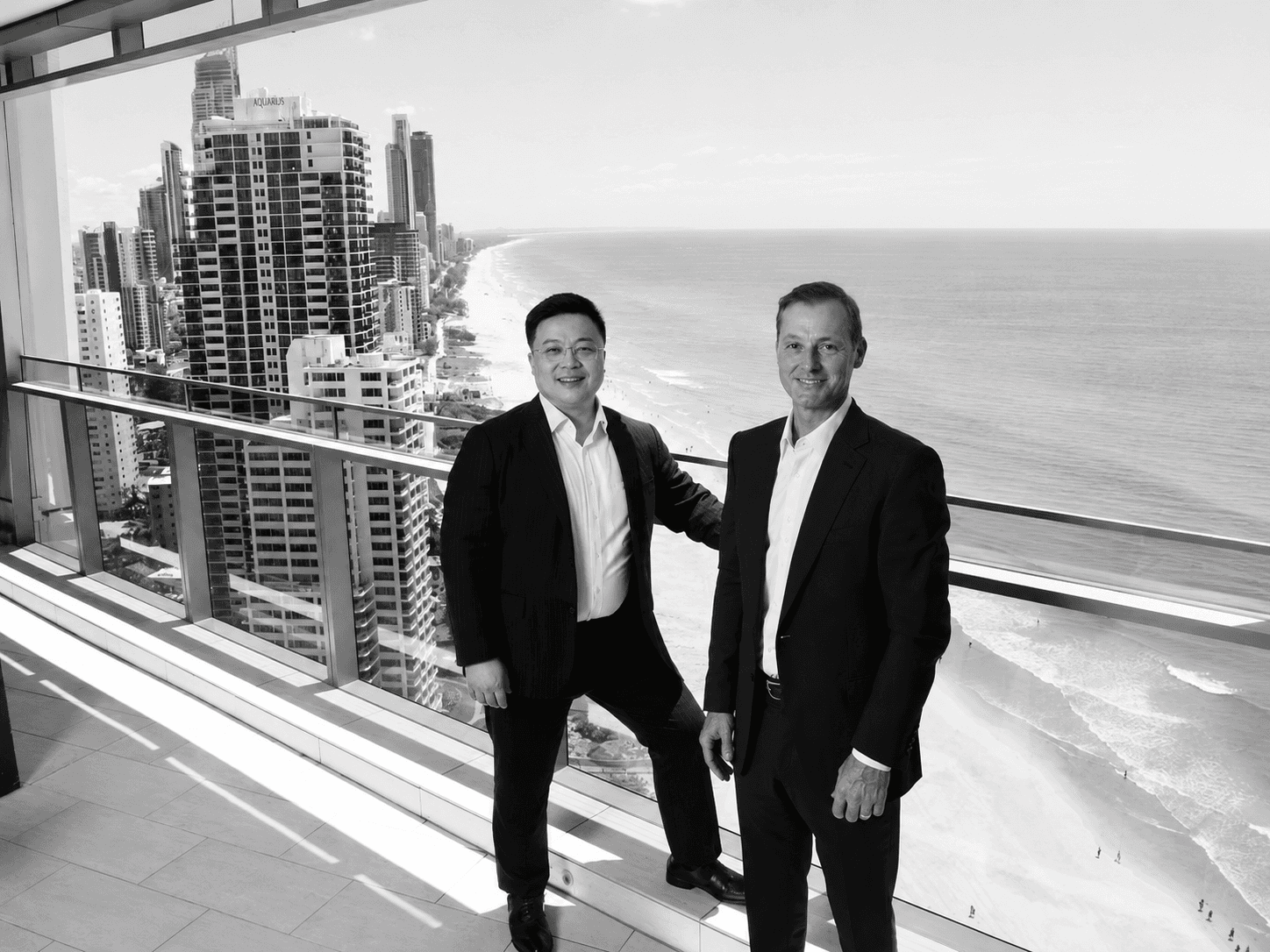
Case Study
Recruitment
News
Employment
Gold Coast
Recruitment
Whitefox Recruitment Enters Third Year of Exclusive Partnership with Jewel Gold Coast
Whitefox Recruitment has retained its exclusive recruitment partnership with Jewel Gold Coast for a third consecutive year, continuing a relationship that began in 2023 after Jewel Gold Coast approached Whitefox Recruitment following dissatisfaction with the level of service received from a global recruitment agency on the Gold Coast.
For Whitefox Recruitment, the continued partnership reflects more than repeat business. It reflects trust, consistency and the value of managing recruitment as a long-term account, not a series of disconnected transactions.
Jewel Gold Coast operates within one of the region’s most recognised luxury beachfront environments. Jewel Private Residences sits above The Langham, Gold Coast, offering completed beachfront residences and penthouses, dedicated concierge services, world-class dining, resort-style amenities and luxury coastal living from one of the Gold Coast’s most prominent addresses.
Whitefox Recruitment’s Managing Director, Luke Hemmings, said Jewel Gold Coast holds a significant place in the region’s luxury landscape.
“Jewel is an establishment that puts the Gold Coast on the international map,” Mr Hemmings said.
“It is a landmark address, a premium residential environment and one of those rare developments that genuinely elevates how the city is viewed. We are humbled to have retained, for a third consecutive year, the relationship we have built with Yutao Li and the team at Jewel.”
That environment requires a different standard of people. Behind the luxury brand sits a complex staffing requirement across residential services, property operations, concierge, management, housekeeping and day-to-day resident experience. The people appointed into that environment need more than technical capability. They need presentation, discretion, reliability, emotional intelligence and an understanding of service at a premium level.
Since 2023, Whitefox Recruitment has delivered a range of appointments for Jewel Gold Coast, including supervisors, housekeeping staff, managers, concierge, property managers and support staff. Those appointments have supported the business across both front-facing and operational functions, where culture fit, consistency and service standards are critical.
Mr Hemmings said the partnership reflects the firm’s account-managed approach to recruitment.
“Jewel Gold Coast first came to us in 2023 after dealing with a global agency on the Gold Coast and feeling dissatisfied with the level of service they had received. Since then, we have worked hard to earn and retain that trust,” Mr Hemmings said.
“We do not want to be seen as a transactional recruitment manager. We want to be seen as an account management partner. There is a major difference. A transactional recruiter fills a vacancy and moves on. An account management partner learns the business, understands the people, protects the standard and keeps improving the quality of advice over time.”
That distinction has shaped the relationship between Whitefox Recruitment and Jewel Gold Coast. Rather than approaching each vacancy in isolation, Whitefox Recruitment has built a deeper understanding of the client’s operating environment, service expectations, culture, leadership style and hiring standards.
In a luxury residential setting, that matters.
A poor appointment can affect more than workflow. It can affect resident experience, team morale, service delivery and brand perception. A strong appointment, on the other hand, can strengthen consistency, reduce pressure on leadership and support the standard expected within a premium environment.
Mr Hemmings said the strongest recruitment outcomes are rarely built through one-off transactions.
“The strongest recruitment outcomes come from understanding the client properly, knowing the environment, learning the standard and being honest about what the market can deliver,” he said.
“In a setting like Jewel Gold Coast, the people matter enormously. The residences are premium. The service expectation is premium. The presentation is premium. That means the recruitment process has to reflect that standard.”
Whitefox Recruitment says the continued partnership also reflects a broader issue in the recruitment market. Many employers are not frustrated because recruiters cannot find candidates. They are frustrated because the service is reactive, generic and disconnected from the real operating environment.
That is where Whitefox Recruitment sees the gap.
Employers do not need more CVs for the sake of activity. They need better judgement. They need a partner who understands what good looks like inside their business. They need someone who can manage the relationship, read the market, challenge weak briefs, move quickly and protect the standard.
For Jewel Gold Coast, that has meant working with one trusted recruitment partner across multiple role types and staffing needs. For Whitefox Recruitment, it has meant treating the account with the same care, consistency and accountability expected of any long-term professional advisory relationship.
Mr Hemmings said client retention remains one of the strongest measures of recruitment performance.
“Winning a client is one thing. Keeping them is another. Retaining an exclusive partnership for a third consecutive year says more than any sales pitch ever could,” he said.
“It means the client trusts the process, trusts the judgement and trusts the outcome. That is the standard we want Whitefox Recruitment to be known for.”
Whitefox Recruitment will continue supporting Jewel Gold Coast across recruitment, talent identification and market advice as the business maintains its position within one of the Gold Coast’s most prestigious residential and lifestyle precincts.
For Whitefox Recruitment, the partnership represents the type of work the firm intends to keep building across South East Queensland: long-term client relationships, account-managed recruitment delivery and appointments that strengthen the business beyond the employment contract.
Because strong recruitment is not about one placement.
It is about becoming trusted enough to be called back again, and again, and again.
10
Min Read
Case Study
Recruitment
News
Employment
Gold Coast
Recruitment
Whitefox Recruitment Enters Third Year of Exclusive Partnership with Jewel Gold Coast
Whitefox Recruitment has retained its exclusive recruitment partnership with Jewel Gold Coast for a third consecutive year, continuing a relationship that began in 2023 after Jewel Gold Coast approached Whitefox Recruitment following dissatisfaction with the level of service received from a global recruitment agency on the Gold Coast.
For Whitefox Recruitment, the continued partnership reflects more than repeat business. It reflects trust, consistency and the value of managing recruitment as a long-term account, not a series of disconnected transactions.
Jewel Gold Coast operates within one of the region’s most recognised luxury beachfront environments. Jewel Private Residences sits above The Langham, Gold Coast, offering completed beachfront residences and penthouses, dedicated concierge services, world-class dining, resort-style amenities and luxury coastal living from one of the Gold Coast’s most prominent addresses.
Whitefox Recruitment’s Managing Director, Luke Hemmings, said Jewel Gold Coast holds a significant place in the region’s luxury landscape.
“Jewel is an establishment that puts the Gold Coast on the international map,” Mr Hemmings said.
“It is a landmark address, a premium residential environment and one of those rare developments that genuinely elevates how the city is viewed. We are humbled to have retained, for a third consecutive year, the relationship we have built with Yutao Li and the team at Jewel.”
That environment requires a different standard of people. Behind the luxury brand sits a complex staffing requirement across residential services, property operations, concierge, management, housekeeping and day-to-day resident experience. The people appointed into that environment need more than technical capability. They need presentation, discretion, reliability, emotional intelligence and an understanding of service at a premium level.
Since 2023, Whitefox Recruitment has delivered a range of appointments for Jewel Gold Coast, including supervisors, housekeeping staff, managers, concierge, property managers and support staff. Those appointments have supported the business across both front-facing and operational functions, where culture fit, consistency and service standards are critical.
Mr Hemmings said the partnership reflects the firm’s account-managed approach to recruitment.
“Jewel Gold Coast first came to us in 2023 after dealing with a global agency on the Gold Coast and feeling dissatisfied with the level of service they had received. Since then, we have worked hard to earn and retain that trust,” Mr Hemmings said.
“We do not want to be seen as a transactional recruitment manager. We want to be seen as an account management partner. There is a major difference. A transactional recruiter fills a vacancy and moves on. An account management partner learns the business, understands the people, protects the standard and keeps improving the quality of advice over time.”
That distinction has shaped the relationship between Whitefox Recruitment and Jewel Gold Coast. Rather than approaching each vacancy in isolation, Whitefox Recruitment has built a deeper understanding of the client’s operating environment, service expectations, culture, leadership style and hiring standards.
In a luxury residential setting, that matters.
A poor appointment can affect more than workflow. It can affect resident experience, team morale, service delivery and brand perception. A strong appointment, on the other hand, can strengthen consistency, reduce pressure on leadership and support the standard expected within a premium environment.
Mr Hemmings said the strongest recruitment outcomes are rarely built through one-off transactions.
“The strongest recruitment outcomes come from understanding the client properly, knowing the environment, learning the standard and being honest about what the market can deliver,” he said.
“In a setting like Jewel Gold Coast, the people matter enormously. The residences are premium. The service expectation is premium. The presentation is premium. That means the recruitment process has to reflect that standard.”
Whitefox Recruitment says the continued partnership also reflects a broader issue in the recruitment market. Many employers are not frustrated because recruiters cannot find candidates. They are frustrated because the service is reactive, generic and disconnected from the real operating environment.
That is where Whitefox Recruitment sees the gap.
Employers do not need more CVs for the sake of activity. They need better judgement. They need a partner who understands what good looks like inside their business. They need someone who can manage the relationship, read the market, challenge weak briefs, move quickly and protect the standard.
For Jewel Gold Coast, that has meant working with one trusted recruitment partner across multiple role types and staffing needs. For Whitefox Recruitment, it has meant treating the account with the same care, consistency and accountability expected of any long-term professional advisory relationship.
Mr Hemmings said client retention remains one of the strongest measures of recruitment performance.
“Winning a client is one thing. Keeping them is another. Retaining an exclusive partnership for a third consecutive year says more than any sales pitch ever could,” he said.
“It means the client trusts the process, trusts the judgement and trusts the outcome. That is the standard we want Whitefox Recruitment to be known for.”
Whitefox Recruitment will continue supporting Jewel Gold Coast across recruitment, talent identification and market advice as the business maintains its position within one of the Gold Coast’s most prestigious residential and lifestyle precincts.
For Whitefox Recruitment, the partnership represents the type of work the firm intends to keep building across South East Queensland: long-term client relationships, account-managed recruitment delivery and appointments that strengthen the business beyond the employment contract.
Because strong recruitment is not about one placement.
It is about becoming trusted enough to be called back again, and again, and again.
10
Min Read


Have an
Enquiry?
Whether you are hiring, considering your next move, or seeking market insight, we welcome a confidential conversation.
Service Areas
Byron Bay
Tweed Heads
Gold Coast
Brisbane
Sunshine Coast
Toowoomba
By Appointment Only
Useful Links
Socials
" height="24px" id="s9cxBnqto" width="24px"/></g></svg>)
" height="23.9261px" id="I1nmZKebR" width="23.9267px"/></svg>)
" height="23.9953px" id="XkVkrMFUb" width="23.9859px"/><path d="M 6.164 0 C 2.761 0 0 2.761 0 6.164 C 0 9.567 2.761 12.328 6.164 12.328 C 9.567 12.328 12.328 9.567 12.328 6.164 C 12.328 2.761 9.567 0 6.164 0 Z M 6.164 10.162 C 3.956 10.162 2.166 8.372 2.166 6.164 C 2.166 3.956 3.956 2.166 6.164 2.166 C 8.372 2.166 10.162 3.956 10.162 6.164 C 10.162 8.372 8.372 10.162 6.164 10.162 Z" fill="rgb(184, 184, 184)" height="12.32816px" id="RWd12yOku" transform="translate(5.836 5.836)" width="12.32816px"/><path d="M 2.878 1.439 C 2.878 2.236 2.231 2.878 1.439 2.878 C 0.642 2.878 0 2.231 0 1.439 C 0 0.642 0.647 0 1.439 0 C 2.231 0 2.878 0.647 2.878 1.439 Z" fill="rgb(184, 184, 184)" height="2.8781300000000005px" id="Z9jvUU07o" transform="translate(16.969 4.153)" width="2.8781px"/></g></svg>)
" height="23.9122px" id="cBYuHicZS" width="24.0005px"/></g></svg>)
© 2026 Whitefox Recruitment. All Rights Reserved.
Website By: Parallel Studio Byron Bay
Have an
Enquiry?
Whether you are hiring, considering your next move, or seeking market insight, we welcome a confidential conversation.
Service Areas
Byron Bay
Tweed Heads
Gold Coast
Brisbane
Sunshine Coast
Toowoomba
By Appointment Only
Useful Links
Socials
© 2026 Whitefox Recruitment. All Rights Reserved.
Website By: Parallel Studio Byron Bay
Have an
Enquiry?
Whether you are hiring, considering your next move, or seeking market insight, we welcome a confidential conversation.
Service Areas
Byron Bay
Tweed Heads
Gold Coast
Brisbane
Sunshine Coast
Toowoomba
By Appointment Only
Useful Links
Socials
© 2026 Whitefox Recruitment. All Rights Reserved.
Website By: Parallel Studio Byron Bay