Case Study

Recruitment

News

Whitefox Recruitment Enters Third Year of Exclusive Partnership with Jewel Gold Coast

Whitefox Recruitment Enters Third Year of Exclusive Partnership with Jewel Gold Coast

Joanna McNae

Joanna McNae

10

10

min read

min read
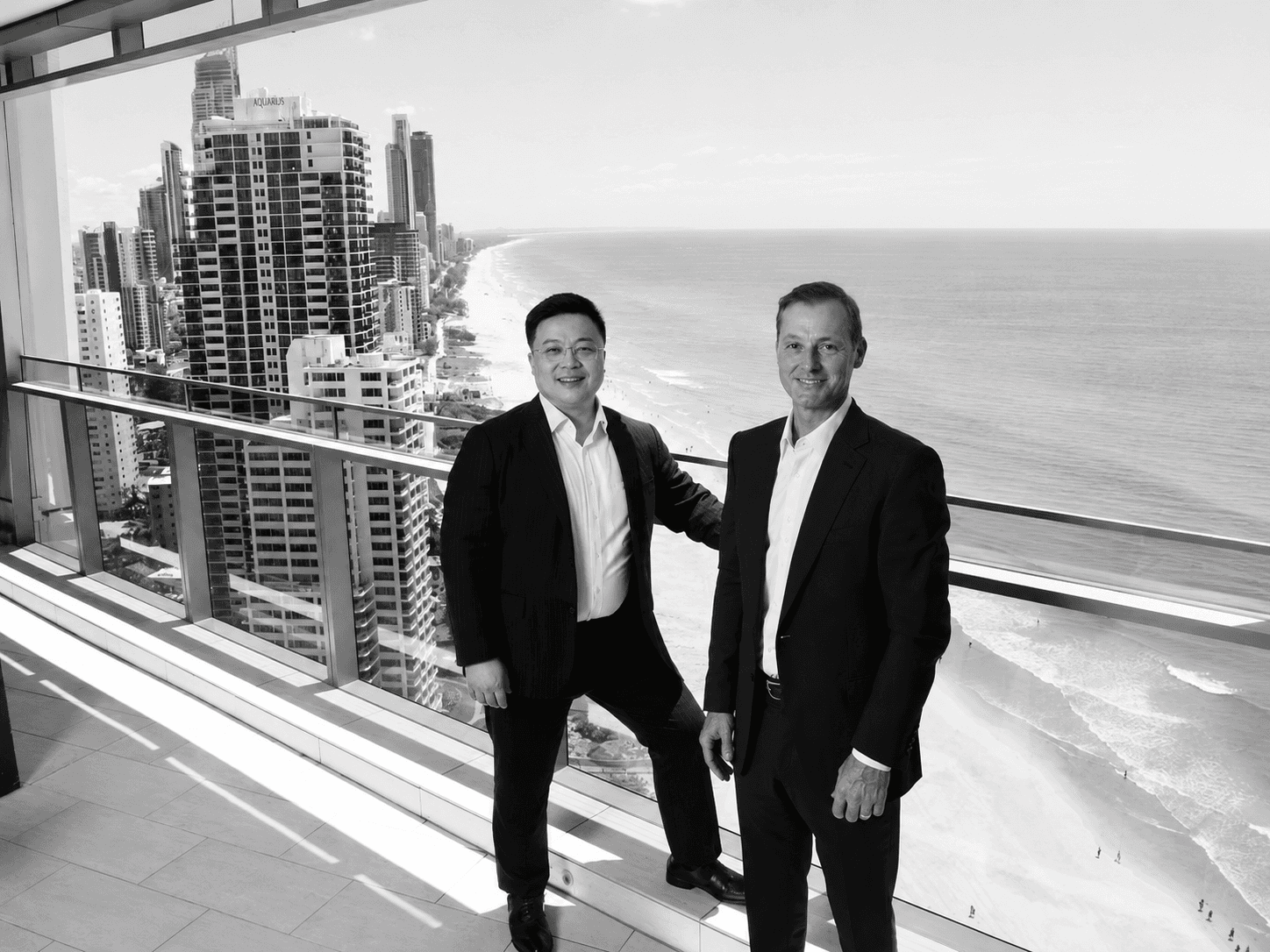
Whitefox Recruitment has retained its exclusive recruitment partnership with Jewel Gold Coast for a third consecutive year, continuing a relationship that began in 2023 after Jewel Gold Coast approached Whitefox Recruitment following dissatisfaction with the level of service received from a global recruitment agency on the Gold Coast.

For Whitefox Recruitment, the continued partnership reflects more than repeat business. It reflects trust, consistency and the value of managing recruitment as a long-term account, not a series of disconnected transactions.

Jewel Gold Coast operates within one of the region’s most recognised luxury beachfront environments. Jewel Private Residences sits above The Langham, Gold Coast, offering completed beachfront residences and penthouses, dedicated concierge services, world-class dining, resort-style amenities and luxury coastal living from one of the Gold Coast’s most prominent addresses.

Whitefox Recruitment’s Managing Director, Luke Hemmings, said Jewel Gold Coast holds a significant place in the region’s luxury landscape.

“Jewel is an establishment that puts the Gold Coast on the international map,” Mr Hemmings said.

“It is a landmark address, a premium residential environment and one of those rare developments that genuinely elevates how the city is viewed. We are humbled to have retained, for a third consecutive year, the relationship we have built with Yutao Li and the team at Jewel.”

That environment requires a different standard of people. Behind the luxury brand sits a complex staffing requirement across residential services, property operations, concierge, management, housekeeping and day-to-day resident experience. The people appointed into that environment need more than technical capability. They need presentation, discretion, reliability, emotional intelligence and an understanding of service at a premium level.

Since 2023, Whitefox Recruitment has delivered a range of appointments for Jewel Gold Coast, including supervisors, housekeeping staff, managers, concierge, property managers and support staff. Those appointments have supported the business across both front-facing and operational functions, where culture fit, consistency and service standards are critical.

Mr Hemmings said the partnership reflects the firm’s account-managed approach to recruitment.

“Jewel Gold Coast first came to us in 2023 after dealing with a global agency on the Gold Coast and feeling dissatisfied with the level of service they had received. Since then, we have worked hard to earn and retain that trust,” Mr Hemmings said.

“We do not want to be seen as a transactional recruitment manager. We want to be seen as an account management partner. There is a major difference. A transactional recruiter fills a vacancy and moves on. An account management partner learns the business, understands the people, protects the standard and keeps improving the quality of advice over time.”

That distinction has shaped the relationship between Whitefox Recruitment and Jewel Gold Coast. Rather than approaching each vacancy in isolation, Whitefox Recruitment has built a deeper understanding of the client’s operating environment, service expectations, culture, leadership style and hiring standards.

In a luxury residential setting, that matters.

A poor appointment can affect more than workflow. It can affect resident experience, team morale, service delivery and brand perception. A strong appointment, on the other hand, can strengthen consistency, reduce pressure on leadership and support the standard expected within a premium environment.

Mr Hemmings said the strongest recruitment outcomes are rarely built through one-off transactions.

“The strongest recruitment outcomes come from understanding the client properly, knowing the environment, learning the standard and being honest about what the market can deliver,” he said.

“In a setting like Jewel Gold Coast, the people matter enormously. The residences are premium. The service expectation is premium. The presentation is premium. That means the recruitment process has to reflect that standard.”

Whitefox Recruitment says the continued partnership also reflects a broader issue in the recruitment market. Many employers are not frustrated because recruiters cannot find candidates. They are frustrated because the service is reactive, generic and disconnected from the real operating environment.

That is where Whitefox Recruitment sees the gap.

Employers do not need more CVs for the sake of activity. They need better judgement. They need a partner who understands what good looks like inside their business. They need someone who can manage the relationship, read the market, challenge weak briefs, move quickly and protect the standard.

For Jewel Gold Coast, that has meant working with one trusted recruitment partner across multiple role types and staffing needs. For Whitefox Recruitment, it has meant treating the account with the same care, consistency and accountability expected of any long-term professional advisory relationship.

Mr Hemmings said client retention remains one of the strongest measures of recruitment performance.

“Winning a client is one thing. Keeping them is another. Retaining an exclusive partnership for a third consecutive year says more than any sales pitch ever could,” he said.

“It means the client trusts the process, trusts the judgement and trusts the outcome. That is the standard we want Whitefox Recruitment to be known for.”

Whitefox Recruitment will continue supporting Jewel Gold Coast across recruitment, talent identification and market advice as the business maintains its position within one of the Gold Coast’s most prestigious residential and lifestyle precincts.

For Whitefox Recruitment, the partnership represents the type of work the firm intends to keep building across South East Queensland: long-term client relationships, account-managed recruitment delivery and appointments that strengthen the business beyond the employment contract.

Because strong recruitment is not about one placement.

It is about becoming trusted enough to be called back again, and again, and again.

Share to:

Recent Insight

News

Media

Recruitment

Migration Crackdown is Coming: What it Could Mean for South East Queensland Jobs

South East Queensland employers could face a major shift in workforce availability following the Federal Government’s announcement of sweeping changes to Australia’s migration system.

The reforms, announced on Thursday, target international students, working holiday makers and visa overstayers while placing greater emphasis on skilled migration into industries experiencing workforce shortages.

For South East Queensland, the changes arrive as Brisbane, the Gold Coast and Sunshine Coast continue to experience significant population growth, infrastructure investment and increasing demand for skilled workers.

Whitefox Recruitment Managing Director Luke Hemmings said the announcement could have important implications for employers across the region.

“This goes well beyond immigration policy. For businesses across South East Queensland, this is ultimately about where the people required to support the region’s growth are going to come from.”

Under the changes, the Federal Government intends to treat net overseas migration forecasts of 245,000 this financial year and 225,000 the following year as targets, rather than simply projections.

The government has also announced plans to redesign the skilled migration points system and prioritise visa processing across construction, healthcare, agriculture, fisheries and teaching.

Housing construction trades are expected to receive greater recognition within the points framework, reflecting continued workforce shortages across the sector.

For South East Queensland, where billions of dollars in infrastructure, residential and commercial development are expected over the coming decade, the shift could prove significant.

Mr Hemmings said the workforce required to support the region’s growth extended considerably beyond traditional construction roles.

“When we talk about the infrastructure pipeline across South East Queensland, people naturally think about trades. But every major project also requires engineers, estimators, project managers, commercial professionals, finance teams, administrators and operational leaders.”

The region is already preparing for an extended period of development as Brisbane 2032 approaches, while population growth continues to place pressure on housing, healthcare, education and other essential services.

Whitefox Recruitment said greater priority for skilled migration in construction and healthcare could assist employers operating in sectors where experienced candidates remain difficult to secure.

However, other elements of the migration overhaul could create different challenges.

The government has announced significant changes to the Working Holiday Maker program, which provides an important source of workers across hospitality, tourism, agriculture and other industries.

Under the proposed changes, second-year Working Holiday Maker places would be capped at 45,000.

Applicants would continue to complete 88 days of specified regional work before entering a ballot for those places.

Third-year places would be substantially reduced, with just 5,000 positions available and applicants required to complete six months of specified regional work before entering the ballot.

Approximately 57,000 working holiday makers remained in Australia for a second year last year, while around 31,000 progressed into a third year.

Whitefox Recruitment said any significant reduction in the number of working holiday makers remaining in Australia could be particularly noticeable across tourism-dependent markets.

The Gold Coast and Sunshine Coast maintain substantial tourism and hospitality industries, while Brisbane’s accommodation, events and hospitality sectors also employ significant numbers of temporary workers.

Mr Hemmings said employers reliant on that candidate market should pay close attention to the reforms.

“Working holiday makers have become a genuine part of the workforce across South East Queensland, particularly in hospitality and tourism.

“If fewer people are remaining for a second or third year, businesses could find themselves competing much more heavily for the workers who are available.”

International students are also facing tighter conditions.

Students seeking to change courses would generally be required to apply for another visa, while graduates undertaking further study would be expected to demonstrate progression to a higher qualification.

International students would also largely be prevented from adding family members to their visas, subject to several exemptions.

Visitor visas would generally carry a “no further stay” condition, restricting the ability of visitors to enter Australia before moving onto another visa while remaining in the country.

The government said the measures were designed to reduce so-called “visa hopping” and strengthen control over temporary migration.

For South East Queensland employers, Whitefox Recruitment said the potential impact would again be concentrated in industries that have traditionally employed significant numbers of international students.

Brisbane and the Gold Coast are both major international education markets, with students forming part of the casual and part-time workforce across hospitality, retail and other service industries.

Mr Hemmings said businesses should understand how dependent their operations were on particular categories of temporary workers.

“If a meaningful percentage of your workforce comes from international students or working holiday makers, changes to those programs become a commercial consideration.

“It doesn’t mean businesses should panic. It means they need to understand their workforce and have a plan if candidate availability changes.”

The reforms come as South East Queensland’s employment market continues to evolve.

Brisbane, the Gold Coast and Sunshine Coast are becoming increasingly connected as businesses compete for candidates across the wider region rather than within individual cities.

Flexible working arrangements, improved connectivity and continued population movement have also expanded the geographic area in which employers search for talent.

Whitefox Recruitment said that shift had created greater access to candidates while simultaneously increasing competition for experienced professionals.

“A Gold Coast employer is no longer necessarily competing only with another Gold Coast business,” Mr Hemmings said.

“They could be competing with Brisbane, the Sunshine Coast or a business offering flexibility across the entire region. South East Queensland is increasingly becoming one connected employment market.”

Professional services are also expected to feel the effects of the region’s continued expansion.

As businesses grow, demand is increasing for experienced people across finance, legal, operations, executive support, human resources, marketing and senior management.

Whitefox Recruitment said population growth did not automatically translate into greater availability of experienced candidates.

The strongest professionals, particularly across specialist and leadership positions, often remain employed and can have multiple options when considering their next move.

Mr Hemmings said that made longer-term workforce planning increasingly important.

“Population growth and candidate availability are two very different things. You can have thousands of people moving into a region and still have serious shortages in particular professions.”

The company said migration would remain an important part of addressing workforce shortages, particularly where Australian businesses were unable to find appropriately skilled candidates locally.

However, employers would increasingly need to balance migration with retention, internal development, succession planning and earlier engagement with prospective employees.

Whitefox Recruitment said businesses planning for 2027 and beyond should begin identifying positions that would be difficult to replace and areas where workforce shortages could restrict future growth.

That includes understanding reliance on temporary visa holders and identifying where skilled migration may form part of a longer-term workforce strategy.

Mr Hemmings said South East Queensland’s growth trajectory made those conversations increasingly important.

“We have an extraordinary decade ahead of us across South East Queensland, but growth requires people.

“You can announce infrastructure, approve development and attract investment, but ultimately someone has to deliver it.”

The Federal Government has indicated that some elements of the migration overhaul can be implemented through existing ministerial powers, while others will require legislation and parliamentary support.

For South East Queensland employers, the full impact will therefore take time to become clear.

What is already apparent is that the region’s future workforce will remain closely connected to Australia’s migration settings.

Construction will require skilled workers to deliver the infrastructure and housing pipeline.

Healthcare will require additional professionals to service an expanding population.

Hospitality and tourism businesses will continue requiring substantial frontline workforces.

And the businesses growing alongside those industries will require experienced professionals and leaders capable of supporting increasingly sophisticated organisations.

Mr Hemmings said the businesses best positioned for that growth would be those planning for their workforce before shortages became critical.

“The employers that wait until somebody resigns before thinking about where their next person will come from are taking an increasingly significant risk.

“The businesses thinking two or three years ahead will be in a much stronger position.”

South East Queensland’s next decade of growth is already taking shape.

Brisbane 2032 is approaching, infrastructure investment continues, population growth remains significant and the region’s major employment markets are becoming increasingly connected.

Australia’s migration settings are now changing alongside them.

For South East Queensland businesses, the question is no longer simply how much the region will grow.

It is whether there will be enough people with the right skills to support it.

8

Min Read

Posted by

Luke Hemmings

News

Media

Recruitment

Migration Crackdown is Coming: What it Could Mean for South East Queensland Jobs

South East Queensland employers could face a major shift in workforce availability following the Federal Government’s announcement of sweeping changes to Australia’s migration system.

The reforms, announced on Thursday, target international students, working holiday makers and visa overstayers while placing greater emphasis on skilled migration into industries experiencing workforce shortages.

For South East Queensland, the changes arrive as Brisbane, the Gold Coast and Sunshine Coast continue to experience significant population growth, infrastructure investment and increasing demand for skilled workers.

Whitefox Recruitment Managing Director Luke Hemmings said the announcement could have important implications for employers across the region.

“This goes well beyond immigration policy. For businesses across South East Queensland, this is ultimately about where the people required to support the region’s growth are going to come from.”

Under the changes, the Federal Government intends to treat net overseas migration forecasts of 245,000 this financial year and 225,000 the following year as targets, rather than simply projections.

The government has also announced plans to redesign the skilled migration points system and prioritise visa processing across construction, healthcare, agriculture, fisheries and teaching.

Housing construction trades are expected to receive greater recognition within the points framework, reflecting continued workforce shortages across the sector.

For South East Queensland, where billions of dollars in infrastructure, residential and commercial development are expected over the coming decade, the shift could prove significant.

Mr Hemmings said the workforce required to support the region’s growth extended considerably beyond traditional construction roles.

“When we talk about the infrastructure pipeline across South East Queensland, people naturally think about trades. But every major project also requires engineers, estimators, project managers, commercial professionals, finance teams, administrators and operational leaders.”

The region is already preparing for an extended period of development as Brisbane 2032 approaches, while population growth continues to place pressure on housing, healthcare, education and other essential services.

Whitefox Recruitment said greater priority for skilled migration in construction and healthcare could assist employers operating in sectors where experienced candidates remain difficult to secure.

However, other elements of the migration overhaul could create different challenges.

The government has announced significant changes to the Working Holiday Maker program, which provides an important source of workers across hospitality, tourism, agriculture and other industries.

Under the proposed changes, second-year Working Holiday Maker places would be capped at 45,000.

Applicants would continue to complete 88 days of specified regional work before entering a ballot for those places.

Third-year places would be substantially reduced, with just 5,000 positions available and applicants required to complete six months of specified regional work before entering the ballot.

Approximately 57,000 working holiday makers remained in Australia for a second year last year, while around 31,000 progressed into a third year.

Whitefox Recruitment said any significant reduction in the number of working holiday makers remaining in Australia could be particularly noticeable across tourism-dependent markets.

The Gold Coast and Sunshine Coast maintain substantial tourism and hospitality industries, while Brisbane’s accommodation, events and hospitality sectors also employ significant numbers of temporary workers.

Mr Hemmings said employers reliant on that candidate market should pay close attention to the reforms.

“Working holiday makers have become a genuine part of the workforce across South East Queensland, particularly in hospitality and tourism.

“If fewer people are remaining for a second or third year, businesses could find themselves competing much more heavily for the workers who are available.”

International students are also facing tighter conditions.

Students seeking to change courses would generally be required to apply for another visa, while graduates undertaking further study would be expected to demonstrate progression to a higher qualification.

International students would also largely be prevented from adding family members to their visas, subject to several exemptions.

Visitor visas would generally carry a “no further stay” condition, restricting the ability of visitors to enter Australia before moving onto another visa while remaining in the country.

The government said the measures were designed to reduce so-called “visa hopping” and strengthen control over temporary migration.

For South East Queensland employers, Whitefox Recruitment said the potential impact would again be concentrated in industries that have traditionally employed significant numbers of international students.

Brisbane and the Gold Coast are both major international education markets, with students forming part of the casual and part-time workforce across hospitality, retail and other service industries.

Mr Hemmings said businesses should understand how dependent their operations were on particular categories of temporary workers.

“If a meaningful percentage of your workforce comes from international students or working holiday makers, changes to those programs become a commercial consideration.

“It doesn’t mean businesses should panic. It means they need to understand their workforce and have a plan if candidate availability changes.”

The reforms come as South East Queensland’s employment market continues to evolve.

Brisbane, the Gold Coast and Sunshine Coast are becoming increasingly connected as businesses compete for candidates across the wider region rather than within individual cities.

Flexible working arrangements, improved connectivity and continued population movement have also expanded the geographic area in which employers search for talent.

Whitefox Recruitment said that shift had created greater access to candidates while simultaneously increasing competition for experienced professionals.

“A Gold Coast employer is no longer necessarily competing only with another Gold Coast business,” Mr Hemmings said.

“They could be competing with Brisbane, the Sunshine Coast or a business offering flexibility across the entire region. South East Queensland is increasingly becoming one connected employment market.”

Professional services are also expected to feel the effects of the region’s continued expansion.

As businesses grow, demand is increasing for experienced people across finance, legal, operations, executive support, human resources, marketing and senior management.

Whitefox Recruitment said population growth did not automatically translate into greater availability of experienced candidates.

The strongest professionals, particularly across specialist and leadership positions, often remain employed and can have multiple options when considering their next move.

Mr Hemmings said that made longer-term workforce planning increasingly important.

“Population growth and candidate availability are two very different things. You can have thousands of people moving into a region and still have serious shortages in particular professions.”

The company said migration would remain an important part of addressing workforce shortages, particularly where Australian businesses were unable to find appropriately skilled candidates locally.

However, employers would increasingly need to balance migration with retention, internal development, succession planning and earlier engagement with prospective employees.

Whitefox Recruitment said businesses planning for 2027 and beyond should begin identifying positions that would be difficult to replace and areas where workforce shortages could restrict future growth.

That includes understanding reliance on temporary visa holders and identifying where skilled migration may form part of a longer-term workforce strategy.

Mr Hemmings said South East Queensland’s growth trajectory made those conversations increasingly important.

“We have an extraordinary decade ahead of us across South East Queensland, but growth requires people.

“You can announce infrastructure, approve development and attract investment, but ultimately someone has to deliver it.”

The Federal Government has indicated that some elements of the migration overhaul can be implemented through existing ministerial powers, while others will require legislation and parliamentary support.

For South East Queensland employers, the full impact will therefore take time to become clear.

What is already apparent is that the region’s future workforce will remain closely connected to Australia’s migration settings.

Construction will require skilled workers to deliver the infrastructure and housing pipeline.

Healthcare will require additional professionals to service an expanding population.

Hospitality and tourism businesses will continue requiring substantial frontline workforces.

And the businesses growing alongside those industries will require experienced professionals and leaders capable of supporting increasingly sophisticated organisations.

Mr Hemmings said the businesses best positioned for that growth would be those planning for their workforce before shortages became critical.

“The employers that wait until somebody resigns before thinking about where their next person will come from are taking an increasingly significant risk.

“The businesses thinking two or three years ahead will be in a much stronger position.”

South East Queensland’s next decade of growth is already taking shape.

Brisbane 2032 is approaching, infrastructure investment continues, population growth remains significant and the region’s major employment markets are becoming increasingly connected.

Australia’s migration settings are now changing alongside them.

For South East Queensland businesses, the question is no longer simply how much the region will grow.

It is whether there will be enough people with the right skills to support it.

8

Min Read

Posted by

Luke Hemmings

General

News

Recruitment

Gold Coast Business Outlook: Why 2027 Could Be a Defining Year for the City

Over the past six years, I have watched the Gold Coast change considerably. It has always been one of Australia’s most desirable places to live, but increasingly it is becoming something much broader than that. The city is maturing as a business market, employers are thinking more strategically, investment continues to flow into the region and the conversations we are having with organisations today are markedly different to those we were having only a few years ago.

From where I sit as Managing Director of Whitefox Recruitment, the biggest change is not simply that businesses are hiring. It is the way they are hiring. Employers are becoming more deliberate about structure, leadership and capability. More organisations are thinking beyond the next vacancy and asking what their business needs to look like in three, five or even ten years. That change in mindset says a lot about where the Gold Coast is heading.

Infrastructure is playing a major role in that evolution. The opening of the Gold Coast Light Rail through to Burleigh Heads has created a continuous public transport corridor stretching from Helensvale through Southport, Surfers Paradise, Broadbeach and now Burleigh. Many people understandably see that as a transport outcome. I see it as something much more significant for business and employment.

For years, one of the practical limitations of recruiting on the Gold Coast has been geography. Candidates would routinely rule out opportunities because the commute from one part of the city to another simply did not stack up. As connectivity improves, that barrier starts to reduce. Employers gain access to a broader candidate market and professionals become more willing to consider roles outside the immediate area in which they live. Over time, I believe that will materially influence where businesses establish themselves, where talent moves and how the Gold Coast develops as one connected commercial economy.

The city is also showing signs of becoming more ambitious in the type of investment and innovation it attracts. This week’s coverage around new electric helicopter technology and Gold Coast HeliTours is a good example. On its own, it may look like an aviation or tourism story. Put alongside major transport investment, continued development and the Gold Coast’s broader growth trajectory, and it becomes part of a much larger picture. The city is increasingly willing to adopt new technology, attract new ideas and position itself as more than a traditional tourism economy.

That broader confidence is also reflected in the employment market.

Recruitment has changed over the past year, but I would not describe the Gold Coast market as weak. It has simply become more mature. The frantic hiring conditions seen through parts of the post-pandemic period have eased, businesses are applying greater scrutiny to headcount and candidates are taking a more considered approach to changing jobs. At the same time, demand for genuinely strong people remains high.

That distinction is important. There may be more candidates prepared to have a conversation than there were at the peak of the market, but exceptional candidates are still difficult to secure. The strongest professionals remain employed, they generally have options and they are increasingly evaluating far more than salary when considering a move. Leadership, stability, flexibility, progression and confidence in the direction of the business are all carrying considerably more weight.

We are also seeing the Gold Coast economy become more diverse in the types of people businesses need. Construction and property remain strong, supported by continued development and infrastructure investment. Professional services are maturing, with greater demand for experienced people across finance, legal, executive support, marketing, operations and management. Healthcare remains a major employer, while hospitality, tourism and retail continue to form an important part of the region’s economic base.

The interesting shift is at the senior and specialist end of the market. Gold Coast businesses are becoming more sophisticated faster than the local talent pool is deepening in some disciplines. That creates competition for proven people. In many cases, employers are no longer simply looking for someone who can perform the job. They are looking for people who can lead teams, improve commercial performance, strengthen culture and contribute to the next phase of the organisation.

That is where recruitment has become far more strategic.

The businesses achieving the strongest outcomes are generally the ones that move efficiently, know exactly what they are looking for and can articulate why an exceptional candidate should leave a secure role to join them. The highest salary does not automatically win. A compelling business, strong leadership and a credible career opportunity often matter just as much.

Speed remains another major factor. We continue to see good candidates lost because businesses take too long to make decisions. Additional interview stages, delayed approvals and internal uncertainty can quickly turn a strong recruitment process into a missed opportunity. Even in a more balanced employment market, exceptional people rarely remain available for long.

Looking towards 2027, I expect these dynamics to become even more pronounced.

The Gold Coast will continue to benefit from population growth, infrastructure investment, development and the longer-term economic activity associated with Brisbane 2032. Improved connectivity should make the local labour market more fluid, while continued commercial growth will increase demand for experienced professionals and leaders. I also expect more businesses to begin thinking seriously about workforce planning rather than relying on reactive recruitment when someone resigns.

That shift will be critical.

The businesses best positioned for 2027 will be those already identifying where their capability gaps are likely to emerge and building relationships with talent before the requirement becomes urgent. Waiting until a key person leaves and then expecting the right replacement to appear within two weeks is becoming an increasingly risky way to operate.

September and October are therefore particularly important. Businesses commencing recruitment now still have a realistic opportunity to identify and secure people before the Christmas slowdown. Those leaving critical appointments until November can quickly find themselves dealing with notice periods, annual leave, shutdowns and commencement dates extending well into the new year.

My view is that 2027 will not necessarily be characterised by an employment boom. It will be characterised by better businesses becoming more deliberate about the people they hire and retain.

The Gold Coast has spent years building infrastructure, attracting investment and establishing itself as one of the most desirable cities in the country. The next challenge is ensuring the local workforce and business community can keep pace with that growth.

I believe the biggest constraint facing many Gold Coast businesses over the next five years will not be finding customers. It will be finding, developing and retaining enough exceptional people to support their ambition.

That is why the employment market matters so much to the wider economic story.

The Gold Coast is no longer simply growing in size. It is growing in sophistication.

From where I sit, 2027 could prove to be one of the most important years in that evolution.

5

Min Read

Posted by

Luke Hemmings

General

News

Recruitment

Gold Coast Business Outlook: Why 2027 Could Be a Defining Year for the City

Over the past six years, I have watched the Gold Coast change considerably. It has always been one of Australia’s most desirable places to live, but increasingly it is becoming something much broader than that. The city is maturing as a business market, employers are thinking more strategically, investment continues to flow into the region and the conversations we are having with organisations today are markedly different to those we were having only a few years ago.

From where I sit as Managing Director of Whitefox Recruitment, the biggest change is not simply that businesses are hiring. It is the way they are hiring. Employers are becoming more deliberate about structure, leadership and capability. More organisations are thinking beyond the next vacancy and asking what their business needs to look like in three, five or even ten years. That change in mindset says a lot about where the Gold Coast is heading.

Infrastructure is playing a major role in that evolution. The opening of the Gold Coast Light Rail through to Burleigh Heads has created a continuous public transport corridor stretching from Helensvale through Southport, Surfers Paradise, Broadbeach and now Burleigh. Many people understandably see that as a transport outcome. I see it as something much more significant for business and employment.

For years, one of the practical limitations of recruiting on the Gold Coast has been geography. Candidates would routinely rule out opportunities because the commute from one part of the city to another simply did not stack up. As connectivity improves, that barrier starts to reduce. Employers gain access to a broader candidate market and professionals become more willing to consider roles outside the immediate area in which they live. Over time, I believe that will materially influence where businesses establish themselves, where talent moves and how the Gold Coast develops as one connected commercial economy.

The city is also showing signs of becoming more ambitious in the type of investment and innovation it attracts. This week’s coverage around new electric helicopter technology and Gold Coast HeliTours is a good example. On its own, it may look like an aviation or tourism story. Put alongside major transport investment, continued development and the Gold Coast’s broader growth trajectory, and it becomes part of a much larger picture. The city is increasingly willing to adopt new technology, attract new ideas and position itself as more than a traditional tourism economy.

That broader confidence is also reflected in the employment market.

Recruitment has changed over the past year, but I would not describe the Gold Coast market as weak. It has simply become more mature. The frantic hiring conditions seen through parts of the post-pandemic period have eased, businesses are applying greater scrutiny to headcount and candidates are taking a more considered approach to changing jobs. At the same time, demand for genuinely strong people remains high.

That distinction is important. There may be more candidates prepared to have a conversation than there were at the peak of the market, but exceptional candidates are still difficult to secure. The strongest professionals remain employed, they generally have options and they are increasingly evaluating far more than salary when considering a move. Leadership, stability, flexibility, progression and confidence in the direction of the business are all carrying considerably more weight.

We are also seeing the Gold Coast economy become more diverse in the types of people businesses need. Construction and property remain strong, supported by continued development and infrastructure investment. Professional services are maturing, with greater demand for experienced people across finance, legal, executive support, marketing, operations and management. Healthcare remains a major employer, while hospitality, tourism and retail continue to form an important part of the region’s economic base.

The interesting shift is at the senior and specialist end of the market. Gold Coast businesses are becoming more sophisticated faster than the local talent pool is deepening in some disciplines. That creates competition for proven people. In many cases, employers are no longer simply looking for someone who can perform the job. They are looking for people who can lead teams, improve commercial performance, strengthen culture and contribute to the next phase of the organisation.

That is where recruitment has become far more strategic.

The businesses achieving the strongest outcomes are generally the ones that move efficiently, know exactly what they are looking for and can articulate why an exceptional candidate should leave a secure role to join them. The highest salary does not automatically win. A compelling business, strong leadership and a credible career opportunity often matter just as much.

Speed remains another major factor. We continue to see good candidates lost because businesses take too long to make decisions. Additional interview stages, delayed approvals and internal uncertainty can quickly turn a strong recruitment process into a missed opportunity. Even in a more balanced employment market, exceptional people rarely remain available for long.

Looking towards 2027, I expect these dynamics to become even more pronounced.

The Gold Coast will continue to benefit from population growth, infrastructure investment, development and the longer-term economic activity associated with Brisbane 2032. Improved connectivity should make the local labour market more fluid, while continued commercial growth will increase demand for experienced professionals and leaders. I also expect more businesses to begin thinking seriously about workforce planning rather than relying on reactive recruitment when someone resigns.

That shift will be critical.

The businesses best positioned for 2027 will be those already identifying where their capability gaps are likely to emerge and building relationships with talent before the requirement becomes urgent. Waiting until a key person leaves and then expecting the right replacement to appear within two weeks is becoming an increasingly risky way to operate.

September and October are therefore particularly important. Businesses commencing recruitment now still have a realistic opportunity to identify and secure people before the Christmas slowdown. Those leaving critical appointments until November can quickly find themselves dealing with notice periods, annual leave, shutdowns and commencement dates extending well into the new year.

My view is that 2027 will not necessarily be characterised by an employment boom. It will be characterised by better businesses becoming more deliberate about the people they hire and retain.

The Gold Coast has spent years building infrastructure, attracting investment and establishing itself as one of the most desirable cities in the country. The next challenge is ensuring the local workforce and business community can keep pace with that growth.

I believe the biggest constraint facing many Gold Coast businesses over the next five years will not be finding customers. It will be finding, developing and retaining enough exceptional people to support their ambition.

That is why the employment market matters so much to the wider economic story.

The Gold Coast is no longer simply growing in size. It is growing in sophistication.

From where I sit, 2027 could prove to be one of the most important years in that evolution.

5

Min Read

Posted by

Luke Hemmings

News

Sponsorship

Whitefox Recruitment Terminates Sponsorship of Tolga Eden

Whitefox Recruitment has immediately terminated all sponsorship, promotional and brand association agreements with boxer Tolga Eden after serious allegations concerning his alleged private dealings were brought to the firm’s attention.

The allegations were raised with Whitefox Recruitment on Thursday, 27 August 2026, following correspondence received from the publisher of the Sunlight.Quest website referring the company to material published in Episode 10.

The publication contains allegations concerning Mr Eden’s alleged dealings with third parties, including conduct characterised by the publisher as attempted extortion.

Whitefox Recruitment was not a party to the alleged conduct described in the publication, had no involvement in the matters raised and had no prior knowledge of the allegations before receiving the correspondence.

Following an immediate review, the company determined that continuing its commercial association with Mr Eden was no longer appropriate.

Managing Director Luke Hemmings said Whitefox Recruitment acted swiftly to protect the integrity of the business and its brand.

“The allegations put to us are serious. Whitefox Recruitment was not involved in the matters alleged and is not in a position to determine their truth or otherwise. Once they were brought to our attention, however, we had a responsibility to assess our association and act in the best interests of the business, our clients and our brand.”

All sponsorship, promotional and brand association agreements with Mr Eden have now been terminated with immediate effect.

The company has also commenced removing references to the sponsorship from its active marketing and promotional material.

Mr Hemmings said the decision should not be interpreted as a finding against Mr Eden.

“Whitefox Recruitment is not a court and will not attempt to determine disputed allegations through public commentary. Allegations remain allegations unless and until they are established through the appropriate processes.”

However, the firm said the threshold for maintaining a commercial sponsorship is different.

“Sponsorship is built on brand alignment. Where serious allegations are brought to our attention that have the potential to adversely affect Whitefox Recruitment’s reputation, we reserve the right to act immediately.”

Whitefox Recruitment’s relationship with Mr Eden was limited to a commercial sponsorship associated with his boxing activities.

The company had no involvement in Mr Eden’s personal, financial or private affairs and rejects any suggestion that its sponsorship created responsibility for, knowledge of or participation in the matters alleged.

Whitefox Recruitment is also aware that the publication contains a number of statements and assertions directed specifically at the firm and its Managing Director.

Those statements extend beyond commentary concerning Mr Eden and his alleged conduct and include broader assertions and derogatory characterisations concerning Whitefox Recruitment, its reputation and its commercial standing.

Whitefox Recruitment unequivocally rejects any suggestion that it participated in, facilitated, had knowledge of or bears responsibility for the conduct alleged against Mr Eden or any third party.

The firm considers a number of the statements published concerning Whitefox Recruitment to be serious and has referred those matters to its legal advisers.

Mr Hemmings said the firm would not engage in a public exchange with the publisher.

“There is an important distinction between reporting allegations involving a person we previously sponsored and making separate assertions about Whitefox Recruitment itself. We reject any suggestion that this business was involved in, aware of or responsible for the alleged conduct.”

“We will not respond to personal attacks with personal attacks. Where statements concerning Whitefox Recruitment raise legal or reputational concerns, those matters will be dealt with through the appropriate channels.”

Whitefox Recruitment confirms it is taking advice from its legal counsel regarding the correspondence received, the publication, the statements made concerning the firm and the company’s position.

The company reserves all of its legal rights.

Whitefox Recruitment will not make any further public comment while that process is ongoing.

5

Min Read

Posted by

Joanna McNae

News

Sponsorship

Whitefox Recruitment Terminates Sponsorship of Tolga Eden

Whitefox Recruitment has immediately terminated all sponsorship, promotional and brand association agreements with boxer Tolga Eden after serious allegations concerning his alleged private dealings were brought to the firm’s attention.

The allegations were raised with Whitefox Recruitment on Thursday, 27 August 2026, following correspondence received from the publisher of the Sunlight.Quest website referring the company to material published in Episode 10.

The publication contains allegations concerning Mr Eden’s alleged dealings with third parties, including conduct characterised by the publisher as attempted extortion.

Whitefox Recruitment was not a party to the alleged conduct described in the publication, had no involvement in the matters raised and had no prior knowledge of the allegations before receiving the correspondence.

Following an immediate review, the company determined that continuing its commercial association with Mr Eden was no longer appropriate.

Managing Director Luke Hemmings said Whitefox Recruitment acted swiftly to protect the integrity of the business and its brand.

“The allegations put to us are serious. Whitefox Recruitment was not involved in the matters alleged and is not in a position to determine their truth or otherwise. Once they were brought to our attention, however, we had a responsibility to assess our association and act in the best interests of the business, our clients and our brand.”

All sponsorship, promotional and brand association agreements with Mr Eden have now been terminated with immediate effect.

The company has also commenced removing references to the sponsorship from its active marketing and promotional material.

Mr Hemmings said the decision should not be interpreted as a finding against Mr Eden.

“Whitefox Recruitment is not a court and will not attempt to determine disputed allegations through public commentary. Allegations remain allegations unless and until they are established through the appropriate processes.”

However, the firm said the threshold for maintaining a commercial sponsorship is different.

“Sponsorship is built on brand alignment. Where serious allegations are brought to our attention that have the potential to adversely affect Whitefox Recruitment’s reputation, we reserve the right to act immediately.”

Whitefox Recruitment’s relationship with Mr Eden was limited to a commercial sponsorship associated with his boxing activities.

The company had no involvement in Mr Eden’s personal, financial or private affairs and rejects any suggestion that its sponsorship created responsibility for, knowledge of or participation in the matters alleged.

Whitefox Recruitment is also aware that the publication contains a number of statements and assertions directed specifically at the firm and its Managing Director.

Those statements extend beyond commentary concerning Mr Eden and his alleged conduct and include broader assertions and derogatory characterisations concerning Whitefox Recruitment, its reputation and its commercial standing.

Whitefox Recruitment unequivocally rejects any suggestion that it participated in, facilitated, had knowledge of or bears responsibility for the conduct alleged against Mr Eden or any third party.

The firm considers a number of the statements published concerning Whitefox Recruitment to be serious and has referred those matters to its legal advisers.

Mr Hemmings said the firm would not engage in a public exchange with the publisher.

“There is an important distinction between reporting allegations involving a person we previously sponsored and making separate assertions about Whitefox Recruitment itself. We reject any suggestion that this business was involved in, aware of or responsible for the alleged conduct.”

“We will not respond to personal attacks with personal attacks. Where statements concerning Whitefox Recruitment raise legal or reputational concerns, those matters will be dealt with through the appropriate channels.”

Whitefox Recruitment confirms it is taking advice from its legal counsel regarding the correspondence received, the publication, the statements made concerning the firm and the company’s position.

The company reserves all of its legal rights.

Whitefox Recruitment will not make any further public comment while that process is ongoing.

5

Min Read

Posted by

Joanna McNae

H

I

T

E

F

X

Have an
Enquiry?

Whether you are hiring, considering your next move, or seeking market insight, we welcome a confidential conversation.

Stay Connected

By subscribing you agree to our

Privacy Policy

Service Areas

Byron Bay

Tweed Heads

Gold Coast

Brisbane

Sunshine Coast

Toowoomba

By Appointment Only
Socials

© 2026 Whitefox Recruitment. All Rights Reserved.

H

I

T

E

F

X

Have an
Enquiry?

Whether you are hiring, considering your next move, or seeking market insight, we welcome a confidential conversation.

Stay Connected

By subscribing you agree to our

Privacy Policy

Service Areas

Byron Bay

Tweed Heads

Gold Coast

Brisbane

Sunshine Coast

Toowoomba

By Appointment Only
Socials

© 2026 Whitefox Recruitment. All Rights Reserved.

H

I

T

E

F

X

Have an
Enquiry?

Whether you are hiring, considering your next move, or seeking market insight, we welcome a confidential conversation.

Stay Connected

By subscribing you agree to our

Privacy Policy

Service Areas

Byron Bay

Tweed Heads

Gold Coast

Brisbane

Sunshine Coast

Toowoomba

By Appointment Only
Socials

© 2026 Whitefox Recruitment. All Rights Reserved.