Awards

General

Media

News

Recruitment

Budget 2026: Relief, Reality and the Next Hiring Shift Across South East Queensland

Budget 2026: Relief, Reality and the Next Hiring Shift Across South East Queensland

Joanna McNae

Joanna McNae

10

10

min read

min read

Tonight’s Federal Budget lands at a difficult point for Australian businesses and workers. Cost-of-living pressure remains high, employers are still managing tight margins, and artificial intelligence is beginning to reshape parts of the white-collar workforce faster than many expected. For South East Queensland, the message is clear: there is some relief in the Budget, but the next phase of hiring will be more selective, more productivity-focused and more commercially disciplined.

The Budget’s headline worker measure is the new Working Australians Tax Offset, which will provide an additional tax cut of up to $250 for working Australians and benefit more than 13 million workers. The Government has also confirmed a new instant tax deduction of up to $1,000 from 2026–27, designed to simplify work-related expense claims and reduce compliance pressure for workers. For candidates across the Gold Coast, Brisbane, Logan, Ipswich, the Sunshine Coast and broader South East Queensland, this provides some support, but it does not remove the immediate pressure being felt through rent, groceries, fuel, insurance and transport costs. (Budget Australia)

From a hiring perspective, that matters. Candidates are not only assessing salary. They are weighing up stability, commute time, flexibility, leadership quality, progression and whether a role genuinely improves their life. In a market where household pressure remains real, tax relief does not replace a competitive offer, a clear role brief or a hiring process that respects the candidate’s time.

For employers, the Budget sends a practical message around productivity and investment. The $20,000 instant asset write-off will be made permanent for small business, giving eligible operators more certainty when investing in equipment, systems and tools. The Budget also includes measures aimed at supporting cash flow and business investment, including loss carry-back arrangements for eligible companies. For South East Queensland businesses, the opportunity is not simply to spend more, but to invest better. The strongest businesses will use these measures to improve workflows, reduce wasted administration, strengthen technology and build leaner, more capable teams. (Budget Australia)

That is where the AI conversation becomes impossible to ignore. Recent reporting has highlighted Australian office workers already facing AI-linked redundancies, with employment lawyers reportedly seeing AI-related job loss matters weekly. Roles most exposed include administration, copywriting, coding and data analytics. This should not be read as a prediction that every office role is disappearing. That would be too simplistic. The sharper point is that repetitive, process-heavy and low-judgement work is becoming easier to automate, and employers are now reviewing how much labour is genuinely required to produce the same output. (News.com.au)

For candidates, this changes the value equation. Technical ability alone will not be enough. The strongest candidates over the coming months will be those who can combine core role capability with AI fluency, communication skills, commercial judgement, adaptability and the ability to work across systems. For employers, the risk is moving too quickly to cut roles without properly redesigning the work. Replacing people with technology without understanding workflow, customer experience, compliance and accountability is not productivity. It is poor management with better software.

Queensland infrastructure also remains a major part of the employment picture. The Budget includes $812.5 million for Stage 2 of the Bruce Highway upgrade between the Gateway Motorway and Dohles Rocks Road, connecting key growth areas across Moreton Bay and the Sunshine Coast to Brisbane’s north. This sits within broader infrastructure investment and has a direct employment flow-on across construction, civil, engineering, trades, logistics, procurement, project administration, finance, legal, property and professional services. (Department of Infrastructure)

However, infrastructure funding does not automatically solve the labour issue. If more projects move at once, the same skilled people become more contested. Businesses that wait until a vacancy is urgent will pay more, move slower and compete with weaker leverage. The better approach is early workforce planning, sharper role design and faster decision-making.

Whitefox Recruitment’s Managing Director, Luke Hemmings, said the Budget reflects what many business owners are already feeling on the ground.

“The next few months will be telling. A lot of businesses are doing it tough. Costs are up, confidence is mixed and many operators are being forced to look very closely at every dollar, every hire and every system inside the business. I do not think this will be a market where businesses stop hiring altogether. I think it will be a market where they hire more carefully. Roles tied to revenue, operations, compliance, service delivery and project execution will still move, but soft hiring and poorly defined roles will be harder to justify.”

Hemmings said the firms that perform best over the coming months will be those that stop treating recruitment as a reactive exercise.

“The businesses that win from here will be the ones that know exactly who they need, why they need them and what commercial outcome that person is expected to deliver. The days of vague job briefs, slow feedback and hoping the right person applies are fading. Across South East Queensland, the better candidates still have options, and they will move towards employers who are clear, decisive and properly prepared.”

Looking ahead, Whitefox Recruitment expects hiring across South East Queensland to remain active but more selective. Employers are likely to keep recruiting where roles are directly linked to revenue, delivery, compliance, customer service, infrastructure, property, finance and operational performance. Discretionary hiring is likely to remain tighter, particularly in administration-heavy or support-heavy roles where AI and automation can reduce manual workload.

Candidates are also expected to remain cautious about moving unless the opportunity is clearly stronger than where they are now. Cost-of-living pressure means workers will continue assessing the full opportunity, not just the salary. Stability, flexibility, leadership, commute time, role clarity and long-term progression will all influence decision-making. Businesses that cannot clearly explain why someone should join them will struggle to attract strong people.

The market is likely to split. Businesses with clear roles, strong leadership, fast processes and realistic remuneration will continue to attract quality candidates. Businesses with vague briefs, slow approvals, undercooked salaries and no clear value proposition will find hiring increasingly difficult. At the same time, candidates who can demonstrate reliability, judgement, adaptability and commercial value will remain highly attractive.

For South East Queensland, the Budget does not change the fundamentals. The region is still growing. Infrastructure is still moving. Small businesses still need productivity gains. AI is reshaping role design. Cost pressure is still influencing candidate behaviour. The difference over the coming months will be discipline.

The Budget gives some relief. AI adds pressure. Infrastructure creates demand. Business conditions remain tough. And in this next phase, the advantage will sit with firms that understand the difference between filling a vacancy and building capability.

Share this insight to:

Recent Insight

General

Media

News

Recruitment
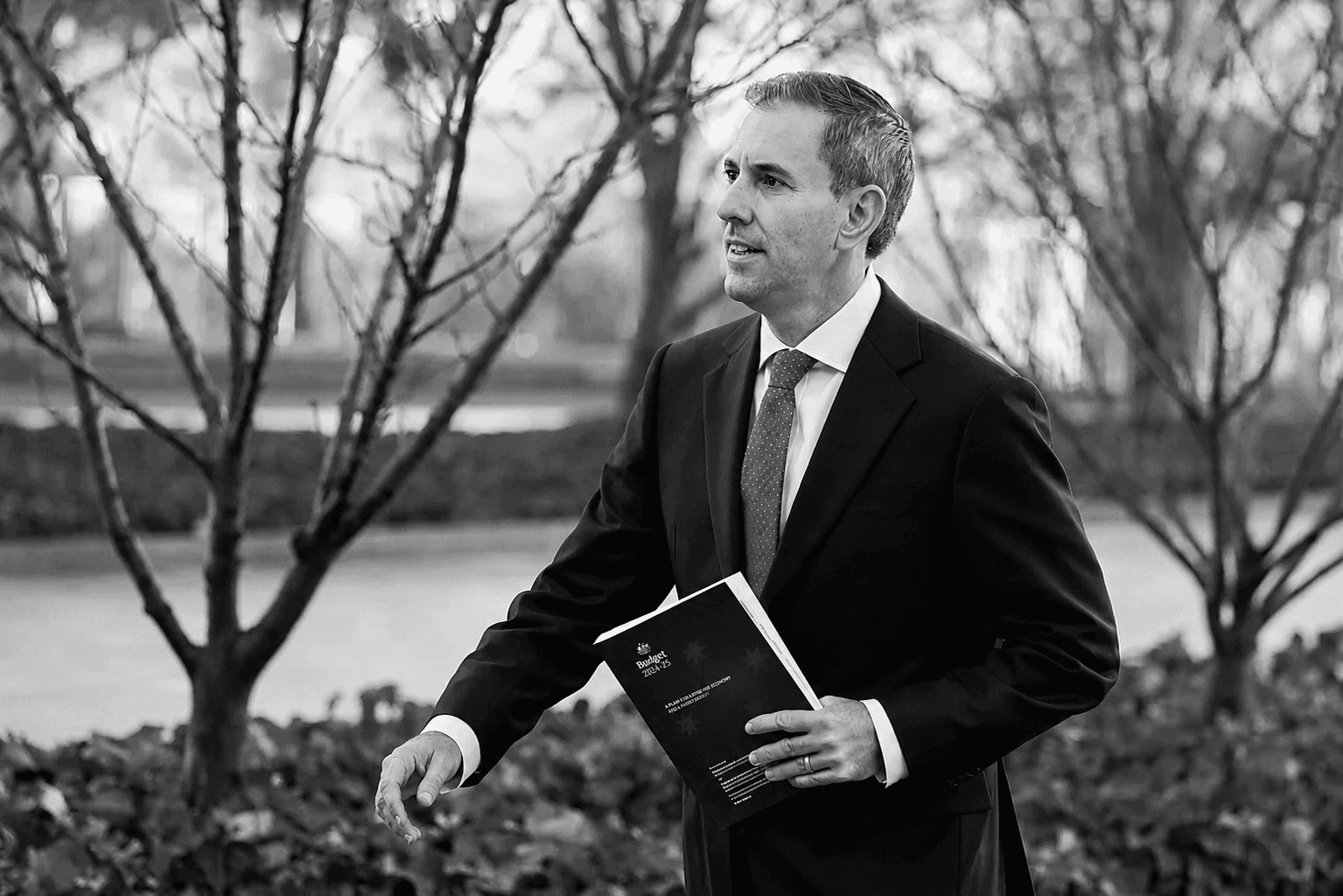
Budget 2026: Relief, Reality and the Next Hiring Shift Across South East Queensland

Tonight’s Federal Budget lands at a difficult point for Australian businesses and workers. Cost-of-living pressure remains high, employers are still managing tight margins, and artificial intelligence is beginning to reshape parts of the white-collar workforce faster than many expected. For South East Queensland, the message is clear: there is some relief in the Budget, but the next phase of hiring will be more selective, more productivity-focused and more commercially disciplined.

The Budget’s headline worker measure is the new Working Australians Tax Offset, which will provide an additional tax cut of up to $250 for working Australians and benefit more than 13 million workers. The Government has also confirmed a new instant tax deduction of up to $1,000 from 2026–27, designed to simplify work-related expense claims and reduce compliance pressure for workers. For candidates across the Gold Coast, Brisbane, Logan, Ipswich, the Sunshine Coast and broader South East Queensland, this provides some support, but it does not remove the immediate pressure being felt through rent, groceries, fuel, insurance and transport costs. (Budget Australia)

From a hiring perspective, that matters. Candidates are not only assessing salary. They are weighing up stability, commute time, flexibility, leadership quality, progression and whether a role genuinely improves their life. In a market where household pressure remains real, tax relief does not replace a competitive offer, a clear role brief or a hiring process that respects the candidate’s time.

For employers, the Budget sends a practical message around productivity and investment. The $20,000 instant asset write-off will be made permanent for small business, giving eligible operators more certainty when investing in equipment, systems and tools. The Budget also includes measures aimed at supporting cash flow and business investment, including loss carry-back arrangements for eligible companies. For South East Queensland businesses, the opportunity is not simply to spend more, but to invest better. The strongest businesses will use these measures to improve workflows, reduce wasted administration, strengthen technology and build leaner, more capable teams. (Budget Australia)

That is where the AI conversation becomes impossible to ignore. Recent reporting has highlighted Australian office workers already facing AI-linked redundancies, with employment lawyers reportedly seeing AI-related job loss matters weekly. Roles most exposed include administration, copywriting, coding and data analytics. This should not be read as a prediction that every office role is disappearing. That would be too simplistic. The sharper point is that repetitive, process-heavy and low-judgement work is becoming easier to automate, and employers are now reviewing how much labour is genuinely required to produce the same output. (News.com.au)

For candidates, this changes the value equation. Technical ability alone will not be enough. The strongest candidates over the coming months will be those who can combine core role capability with AI fluency, communication skills, commercial judgement, adaptability and the ability to work across systems. For employers, the risk is moving too quickly to cut roles without properly redesigning the work. Replacing people with technology without understanding workflow, customer experience, compliance and accountability is not productivity. It is poor management with better software.

Queensland infrastructure also remains a major part of the employment picture. The Budget includes $812.5 million for Stage 2 of the Bruce Highway upgrade between the Gateway Motorway and Dohles Rocks Road, connecting key growth areas across Moreton Bay and the Sunshine Coast to Brisbane’s north. This sits within broader infrastructure investment and has a direct employment flow-on across construction, civil, engineering, trades, logistics, procurement, project administration, finance, legal, property and professional services. (Department of Infrastructure)

However, infrastructure funding does not automatically solve the labour issue. If more projects move at once, the same skilled people become more contested. Businesses that wait until a vacancy is urgent will pay more, move slower and compete with weaker leverage. The better approach is early workforce planning, sharper role design and faster decision-making.

Whitefox Recruitment’s Managing Director, Luke Hemmings, said the Budget reflects what many business owners are already feeling on the ground.

“The next few months will be telling. A lot of businesses are doing it tough. Costs are up, confidence is mixed and many operators are being forced to look very closely at every dollar, every hire and every system inside the business. I do not think this will be a market where businesses stop hiring altogether. I think it will be a market where they hire more carefully. Roles tied to revenue, operations, compliance, service delivery and project execution will still move, but soft hiring and poorly defined roles will be harder to justify.”

Hemmings said the firms that perform best over the coming months will be those that stop treating recruitment as a reactive exercise.

“The businesses that win from here will be the ones that know exactly who they need, why they need them and what commercial outcome that person is expected to deliver. The days of vague job briefs, slow feedback and hoping the right person applies are fading. Across South East Queensland, the better candidates still have options, and they will move towards employers who are clear, decisive and properly prepared.”

Looking ahead, Whitefox Recruitment expects hiring across South East Queensland to remain active but more selective. Employers are likely to keep recruiting where roles are directly linked to revenue, delivery, compliance, customer service, infrastructure, property, finance and operational performance. Discretionary hiring is likely to remain tighter, particularly in administration-heavy or support-heavy roles where AI and automation can reduce manual workload.

Candidates are also expected to remain cautious about moving unless the opportunity is clearly stronger than where they are now. Cost-of-living pressure means workers will continue assessing the full opportunity, not just the salary. Stability, flexibility, leadership, commute time, role clarity and long-term progression will all influence decision-making. Businesses that cannot clearly explain why someone should join them will struggle to attract strong people.

The market is likely to split. Businesses with clear roles, strong leadership, fast processes and realistic remuneration will continue to attract quality candidates. Businesses with vague briefs, slow approvals, undercooked salaries and no clear value proposition will find hiring increasingly difficult. At the same time, candidates who can demonstrate reliability, judgement, adaptability and commercial value will remain highly attractive.

For South East Queensland, the Budget does not change the fundamentals. The region is still growing. Infrastructure is still moving. Small businesses still need productivity gains. AI is reshaping role design. Cost pressure is still influencing candidate behaviour. The difference over the coming months will be discipline.

The Budget gives some relief. AI adds pressure. Infrastructure creates demand. Business conditions remain tough. And in this next phase, the advantage will sit with firms that understand the difference between filling a vacancy and building capability.

10

Min Read

Posted by

Joanna McNae

General

Media

News

Recruitment

Budget 2026: Relief, Reality and the Next Hiring Shift Across South East Queensland

Tonight’s Federal Budget lands at a difficult point for Australian businesses and workers. Cost-of-living pressure remains high, employers are still managing tight margins, and artificial intelligence is beginning to reshape parts of the white-collar workforce faster than many expected. For South East Queensland, the message is clear: there is some relief in the Budget, but the next phase of hiring will be more selective, more productivity-focused and more commercially disciplined.

The Budget’s headline worker measure is the new Working Australians Tax Offset, which will provide an additional tax cut of up to $250 for working Australians and benefit more than 13 million workers. The Government has also confirmed a new instant tax deduction of up to $1,000 from 2026–27, designed to simplify work-related expense claims and reduce compliance pressure for workers. For candidates across the Gold Coast, Brisbane, Logan, Ipswich, the Sunshine Coast and broader South East Queensland, this provides some support, but it does not remove the immediate pressure being felt through rent, groceries, fuel, insurance and transport costs. (Budget Australia)

From a hiring perspective, that matters. Candidates are not only assessing salary. They are weighing up stability, commute time, flexibility, leadership quality, progression and whether a role genuinely improves their life. In a market where household pressure remains real, tax relief does not replace a competitive offer, a clear role brief or a hiring process that respects the candidate’s time.

For employers, the Budget sends a practical message around productivity and investment. The $20,000 instant asset write-off will be made permanent for small business, giving eligible operators more certainty when investing in equipment, systems and tools. The Budget also includes measures aimed at supporting cash flow and business investment, including loss carry-back arrangements for eligible companies. For South East Queensland businesses, the opportunity is not simply to spend more, but to invest better. The strongest businesses will use these measures to improve workflows, reduce wasted administration, strengthen technology and build leaner, more capable teams. (Budget Australia)

That is where the AI conversation becomes impossible to ignore. Recent reporting has highlighted Australian office workers already facing AI-linked redundancies, with employment lawyers reportedly seeing AI-related job loss matters weekly. Roles most exposed include administration, copywriting, coding and data analytics. This should not be read as a prediction that every office role is disappearing. That would be too simplistic. The sharper point is that repetitive, process-heavy and low-judgement work is becoming easier to automate, and employers are now reviewing how much labour is genuinely required to produce the same output. (News.com.au)

For candidates, this changes the value equation. Technical ability alone will not be enough. The strongest candidates over the coming months will be those who can combine core role capability with AI fluency, communication skills, commercial judgement, adaptability and the ability to work across systems. For employers, the risk is moving too quickly to cut roles without properly redesigning the work. Replacing people with technology without understanding workflow, customer experience, compliance and accountability is not productivity. It is poor management with better software.

Queensland infrastructure also remains a major part of the employment picture. The Budget includes $812.5 million for Stage 2 of the Bruce Highway upgrade between the Gateway Motorway and Dohles Rocks Road, connecting key growth areas across Moreton Bay and the Sunshine Coast to Brisbane’s north. This sits within broader infrastructure investment and has a direct employment flow-on across construction, civil, engineering, trades, logistics, procurement, project administration, finance, legal, property and professional services. (Department of Infrastructure)

However, infrastructure funding does not automatically solve the labour issue. If more projects move at once, the same skilled people become more contested. Businesses that wait until a vacancy is urgent will pay more, move slower and compete with weaker leverage. The better approach is early workforce planning, sharper role design and faster decision-making.

Whitefox Recruitment’s Managing Director, Luke Hemmings, said the Budget reflects what many business owners are already feeling on the ground.

“The next few months will be telling. A lot of businesses are doing it tough. Costs are up, confidence is mixed and many operators are being forced to look very closely at every dollar, every hire and every system inside the business. I do not think this will be a market where businesses stop hiring altogether. I think it will be a market where they hire more carefully. Roles tied to revenue, operations, compliance, service delivery and project execution will still move, but soft hiring and poorly defined roles will be harder to justify.”

Hemmings said the firms that perform best over the coming months will be those that stop treating recruitment as a reactive exercise.

“The businesses that win from here will be the ones that know exactly who they need, why they need them and what commercial outcome that person is expected to deliver. The days of vague job briefs, slow feedback and hoping the right person applies are fading. Across South East Queensland, the better candidates still have options, and they will move towards employers who are clear, decisive and properly prepared.”

Looking ahead, Whitefox Recruitment expects hiring across South East Queensland to remain active but more selective. Employers are likely to keep recruiting where roles are directly linked to revenue, delivery, compliance, customer service, infrastructure, property, finance and operational performance. Discretionary hiring is likely to remain tighter, particularly in administration-heavy or support-heavy roles where AI and automation can reduce manual workload.

Candidates are also expected to remain cautious about moving unless the opportunity is clearly stronger than where they are now. Cost-of-living pressure means workers will continue assessing the full opportunity, not just the salary. Stability, flexibility, leadership, commute time, role clarity and long-term progression will all influence decision-making. Businesses that cannot clearly explain why someone should join them will struggle to attract strong people.

The market is likely to split. Businesses with clear roles, strong leadership, fast processes and realistic remuneration will continue to attract quality candidates. Businesses with vague briefs, slow approvals, undercooked salaries and no clear value proposition will find hiring increasingly difficult. At the same time, candidates who can demonstrate reliability, judgement, adaptability and commercial value will remain highly attractive.

For South East Queensland, the Budget does not change the fundamentals. The region is still growing. Infrastructure is still moving. Small businesses still need productivity gains. AI is reshaping role design. Cost pressure is still influencing candidate behaviour. The difference over the coming months will be discipline.

The Budget gives some relief. AI adds pressure. Infrastructure creates demand. Business conditions remain tough. And in this next phase, the advantage will sit with firms that understand the difference between filling a vacancy and building capability.

10

Min Read

Posted by

Joanna McNae

Media

General

Luke Hemmings Speaks Exclusively With Bill Barker on the Sensory Overload Podcast

Whitefox Recruitment Managing Director Luke Hemmings has spoken exclusively with influencer and podcast host Bill Barker on the Sensory Overload podcast, in a wide-ranging conversation that goes beyond recruitment, business and brand.

The episode, dropping soon across all major podcast platforms including YouTube and Spotify, gives listeners a more personal look at the person behind Whitefox Recruitment, the journey behind the business, and the mindset required to build through pressure, public scrutiny, personal adversity and commercial change.

For Luke, the conversation was not about presenting a polished version of success. It was about speaking openly, honestly and directly.

It was about the reality behind building a recruitment brand from the ground up, relocating markets, rebuilding reputation, adapting business models and continuing to move forward when the easier option would have been to step back.

For years, Whitefox Recruitment has been known for its market presence, its strong local positioning and its direct, high-energy approach to recruitment. But behind every brand is a story, and behind every story are decisions, sacrifices and turning points that rarely make it into the public-facing version of business.

This conversation brings some of that into the open.

In the same way Whitefox Recruitment has recently spoken about its move to a more modern, flexible operating model, this discussion reflects a broader theme: growth does not always look traditional. Sometimes it looks like stripping things back. Sometimes it looks like rebuilding differently. Sometimes it looks like choosing clarity over comfort.

The Sensory Overload podcast creates space for that kind of conversation.

Bill Barker has built a platform around raw, human and often confronting discussions, the kind that move past surface-level success and into the lived experience behind it. His interview style allows guests to speak with depth, edge and honesty, which made the conversation a natural fit for Luke’s story.

The episode explores Luke’s journey through business, recruitment, public pressure, personal transformation and the responsibility that comes with building a recognised brand in a competitive market.

It also touches on the mindset behind Whitefox Recruitment, a business that has grown through speed, instinct, resilience and an unapologetically direct approach to the market.

Luke Hemmings said the opportunity to sit down with Bill was meaningful because it allowed for a conversation that was not restricted to the usual business script.

“Bill has a way of getting past the surface. This was not just a business interview. It was a real conversation about pressure, growth, reputation, resilience and what it actually takes to keep moving when things are not easy. I respected that.”

For Whitefox Recruitment, the discussion also marks another step in the evolution of the brand.

The business has never been built quietly. It has operated with a strong voice, a clear market position and a willingness to do things differently. That has attracted attention, created momentum and, at times, brought challenge.

But strong brands are not built by avoiding scrutiny.

They are built by knowing what they stand for, staying close to the market and continuing to execute when the environment changes around them.

This podcast gives listeners a deeper understanding of that philosophy.

It looks at the commercial side of recruitment, but also the personal cost of building something visible. It speaks to the discipline required to lead through uncertainty, the importance of backing yourself when others do not understand the vision, and the need to keep adapting as business conditions shift.

For Luke, those themes are not theoretical.

They have shaped the way Whitefox Recruitment operates today.

The firm has moved through several stages of growth, from its original Canberra roots to its Gold Coast expansion, and now into a leaner, more agile, principal-led model designed for the next stage of the market.

That journey has required hard decisions.

It has required letting go of old assumptions about what a recruitment agency should look like. It has required focusing less on optics and more on output. It has required understanding that the strongest business model is not always the loudest, largest or most traditional one, but the one that delivers consistently, commercially and without unnecessary complexity.

That same thinking runs through the podcast conversation.

Success is not always clean.

Growth is not always linear.

And leadership is not always about having every answer before making the next move.

Sometimes it is about moving with conviction, learning quickly, taking ownership and refusing to let one chapter define the entire story.

The conversation with Bill Barker gives Luke the opportunity to speak to that more openly than ever before.

It is not a corporate announcement.

It is not a standard profile piece.

It is a candid conversation about business, pressure, reputation, ambition and rebuilding.

For those who have followed Whitefox Recruitment’s growth, the episode offers context. For those who know Luke only through the brand, it offers a clearer picture of the person behind it. And for anyone building something under pressure, it offers a reminder that resilience is not a slogan. It is a decision made repeatedly, often when nobody is watching.

Whitefox Recruitment has always been built around people.

Clients. Candidates. Relationships. Reputation. Trust.

This conversation brings that back to its most human level.

Luke Hemmings’ appearance on Sensory Overload with Bill Barker is more than an interview. It is a moment of reflection, a statement of intent and another step in the continued evolution of Whitefox Recruitment.

The podcast drops soon across all major podcast channels, including YouTube and Spotify.

The story is still being written.

The brand is still moving.

And the work continues.

10

Min Read

Posted by

Joanna McNae

Media

General

Luke Hemmings Speaks Exclusively With Bill Barker on the Sensory Overload Podcast

Whitefox Recruitment Managing Director Luke Hemmings has spoken exclusively with influencer and podcast host Bill Barker on the Sensory Overload podcast, in a wide-ranging conversation that goes beyond recruitment, business and brand.

The episode, dropping soon across all major podcast platforms including YouTube and Spotify, gives listeners a more personal look at the person behind Whitefox Recruitment, the journey behind the business, and the mindset required to build through pressure, public scrutiny, personal adversity and commercial change.

For Luke, the conversation was not about presenting a polished version of success. It was about speaking openly, honestly and directly.

It was about the reality behind building a recruitment brand from the ground up, relocating markets, rebuilding reputation, adapting business models and continuing to move forward when the easier option would have been to step back.

For years, Whitefox Recruitment has been known for its market presence, its strong local positioning and its direct, high-energy approach to recruitment. But behind every brand is a story, and behind every story are decisions, sacrifices and turning points that rarely make it into the public-facing version of business.

This conversation brings some of that into the open.

In the same way Whitefox Recruitment has recently spoken about its move to a more modern, flexible operating model, this discussion reflects a broader theme: growth does not always look traditional. Sometimes it looks like stripping things back. Sometimes it looks like rebuilding differently. Sometimes it looks like choosing clarity over comfort.

The Sensory Overload podcast creates space for that kind of conversation.

Bill Barker has built a platform around raw, human and often confronting discussions, the kind that move past surface-level success and into the lived experience behind it. His interview style allows guests to speak with depth, edge and honesty, which made the conversation a natural fit for Luke’s story.

The episode explores Luke’s journey through business, recruitment, public pressure, personal transformation and the responsibility that comes with building a recognised brand in a competitive market.

It also touches on the mindset behind Whitefox Recruitment, a business that has grown through speed, instinct, resilience and an unapologetically direct approach to the market.

Luke Hemmings said the opportunity to sit down with Bill was meaningful because it allowed for a conversation that was not restricted to the usual business script.

“Bill has a way of getting past the surface. This was not just a business interview. It was a real conversation about pressure, growth, reputation, resilience and what it actually takes to keep moving when things are not easy. I respected that.”

For Whitefox Recruitment, the discussion also marks another step in the evolution of the brand.

The business has never been built quietly. It has operated with a strong voice, a clear market position and a willingness to do things differently. That has attracted attention, created momentum and, at times, brought challenge.

But strong brands are not built by avoiding scrutiny.

They are built by knowing what they stand for, staying close to the market and continuing to execute when the environment changes around them.

This podcast gives listeners a deeper understanding of that philosophy.

It looks at the commercial side of recruitment, but also the personal cost of building something visible. It speaks to the discipline required to lead through uncertainty, the importance of backing yourself when others do not understand the vision, and the need to keep adapting as business conditions shift.

For Luke, those themes are not theoretical.

They have shaped the way Whitefox Recruitment operates today.

The firm has moved through several stages of growth, from its original Canberra roots to its Gold Coast expansion, and now into a leaner, more agile, principal-led model designed for the next stage of the market.

That journey has required hard decisions.

It has required letting go of old assumptions about what a recruitment agency should look like. It has required focusing less on optics and more on output. It has required understanding that the strongest business model is not always the loudest, largest or most traditional one, but the one that delivers consistently, commercially and without unnecessary complexity.

That same thinking runs through the podcast conversation.

Success is not always clean.

Growth is not always linear.

And leadership is not always about having every answer before making the next move.

Sometimes it is about moving with conviction, learning quickly, taking ownership and refusing to let one chapter define the entire story.

The conversation with Bill Barker gives Luke the opportunity to speak to that more openly than ever before.

It is not a corporate announcement.

It is not a standard profile piece.

It is a candid conversation about business, pressure, reputation, ambition and rebuilding.

For those who have followed Whitefox Recruitment’s growth, the episode offers context. For those who know Luke only through the brand, it offers a clearer picture of the person behind it. And for anyone building something under pressure, it offers a reminder that resilience is not a slogan. It is a decision made repeatedly, often when nobody is watching.

Whitefox Recruitment has always been built around people.

Clients. Candidates. Relationships. Reputation. Trust.

This conversation brings that back to its most human level.

Luke Hemmings’ appearance on Sensory Overload with Bill Barker is more than an interview. It is a moment of reflection, a statement of intent and another step in the continued evolution of Whitefox Recruitment.

The podcast drops soon across all major podcast channels, including YouTube and Spotify.

The story is still being written.

The brand is still moving.

And the work continues.

10

Min Read

Posted by

Joanna McNae

General

Media

News

Recruitment

A Smarter Model for Whitefox Recruitment

Whitefox Recruitment is transitioning its Gold Coast office operations to a remote model.

That decision is not about stepping away from the market. It is about building a better business within it. It is about aligning the structure of the firm with how modern recruitment now operates, how high-performing recruiters increasingly want to work, and how businesses create leverage in a market that is becoming more selective, more flexible and more outcome-driven.

For a long time, physical office space was treated as a symbol of stability. A prominent address, a front desk and a permanent location were seen as proof that a firm was established. But in recruitment, the real value has never sat in the walls. It has sat in the quality of the people behind the brand, their network, their judgement, their speed, their ability to build trust and their ability to execute.

That is even more true now than it was a decade ago.

The recruitment industry has changed materially. So has the workforce within it. The modern recruiter no longer sees flexibility as a perk. Increasingly, they see it as the baseline. More high-performing operators now want the freedom to work from wherever they perform best, whether that is from home, interstate or elsewhere in the world. They want autonomy. They want a model built around output rather than optics. They want to be trusted to perform, not measured by whether they are sitting in the same chair every day.

For firms willing to recognise that shift early, it creates a genuine advantage.

By moving to a remote operating model, Whitefox Recruitment is no longer limited by geography when it comes to future growth. The business is not confined to engaging recruiter talent based purely on who happens to live within commuting distance of one office. Instead, it creates the ability to attract strong operators based on capability, track record, relationships and commercial value, regardless of where they are physically located.

That is a materially stronger model.

It changes the question from who can get to the office to who is actually the best person for the role. In recruitment, that is the only question that ever really mattered. Strong recruiters are not made by location. They are made by judgement, work ethic, communication, commercial instinct and their ability to move people and processes properly. A remote model gives firms access to more of that talent, not less.

As Luke Hemmings, Managing Director of Whitefox Recruitment, puts it, “The best recruiters today want flexibility. They want the ability to perform at a high level without being anchored to a traditional office for the sake of appearances. That shift is already happening across the market, and firms that recognise it early will be the ones best placed to attract top talent and continue growing.”

That view reflects where the market is already moving.

Many of the strongest operators in recruitment today are not looking for a model built around presenteeism. They are looking for a platform that gives them the freedom to perform, the support to deliver and the ability to build their desk without carrying outdated constraints that do not improve client outcomes. Firms that cling too tightly to old structures may preserve familiarity, but they will increasingly struggle to attract the best recruiter talent available.

There are already businesses in this industry proving that a flexible model can scale. You only need to look at HJ Recruitment and what Harvey Jutton has achieved. It is a clear example that strong recruiter talent, a clear model and smart use of flexibility can build a serious recruitment business without being tied to a traditional office footprint. The lesson is simple. The old model is no longer the only model, and in many cases it is no longer the best one.

Whitefox Recruitment sees that shift as an opening.

This transition gives the business more than flexibility. It gives it access. Access to a broader recruiter talent pool. Access to a more scalable operating structure. Access to a model that can grow around performance, not premises. It allows the firm to think more expansively about who it can engage, how it can structure future capability and where it can create value without being tied to overhead that no longer serves the business in the same way it once may have.

That matters for clients as well.

A better operating model behind the scenes means a sharper delivery model in the market. Going remote reduces unnecessary fixed cost, removes operational drag and allows more time, focus and energy to be directed into the work that actually matters, client service, search strategy, candidate engagement, business development and execution. That is where recruitment businesses win or lose. Not in the size of the tenancy, but in the quality and consistency of the work.

In commercial terms, this is about leverage.

Every business should periodically review whether its structure is still serving its strategy. Not whether it once made sense. Whether it still does. Too many firms keep legacy cost in place simply because it has become familiar, or because they worry about how change might be perceived from the outside. But strong commercial decisions are rarely made by protecting old optics. They are made by asking harder questions. Does this improve performance. Does this reduce friction. Does this create access to better people. Does this support a stronger long-term model.

If the answer is yes, the decision becomes obvious.

That is the position Whitefox Recruitment has taken here.

Luke Hemmings says the move is less about reducing footprint and more about increasing capability. “For us, this creates real opportunity. It allows Whitefox Recruitment to access a wider talent pool, attract high-performing recruiters from beyond one geographic market and build a more agile, scalable business for the future. It also means we can remain focused on what actually matters, delivering results for clients and candidates, rather than carrying unnecessary overhead that does not improve outcomes.”

That distinction matters because office-based recruitment models often create the illusion of strength while quietly producing inefficiency underneath. They can look established. They can look busy. They can feel traditional. But clients do not retain recruiters because they occupy space. They retain them because they deliver. Because they understand the brief. Because they represent the client properly. Because they know how to move quickly and close well.

Candidates do not engage because a firm has a lease. They engage because they trust the person representing them, because communication is clear, because opportunities are credible and because the process is handled with professionalism and pace.

That is why the move to remote should not be misunderstood as a reduction in capability. It is the opposite. It is a structural decision designed to better support the things that have always mattered most.

Importantly, Whitefox Recruitment’s connection to the Gold Coast remains unchanged. The local market is still central to the brand, still central to the relationships the business has built and still central to the work it continues to do. Going remote does not mean disappearing from the Coast. It means operating through a more flexible and commercially sound model while maintaining the same commitment to the region and the people in it.

In Hemmings’ words, “Our commitment to the Gold Coast remains unchanged. Whitefox Recruitment is still very much here, still operating and still backing this market. What is changing is how we structure the business behind the scenes, and we believe this model better reflects where recruitment is going and what modern talent expects.”

The future of recruitment will not belong solely to the firms with the biggest offices or the most visible footprint. It will belong to the firms with the best people, the strongest systems, the fastest response times and the clearest ability to adapt. It will belong to the firms that know how to build around performance, flexibility and commercial reality rather than preserving old models for appearance’s sake.

Whitefox Recruitment is choosing to build for that future now.

This transition creates more optionality for the business. It creates more room to attract strong recruiter talent. It creates a more agile base from which to operate. It reduces complexity. It allows the business to stay lean where it should be lean and focused where it needs to be focused. It also positions the firm more competitively in a world where many recruiters now want a model that gives them the freedom to work anywhere, while still being part of a serious brand with a strong reputation and clear market position.

The office is going remote.

The relationships remain.

The work remains.

The commitment to the Gold Coast remains.

What changes is the model behind it, and Whitefox Recruitment believes that model is better suited to attracting modern recruiter talent, delivering for clients and building a stronger, more scalable business for the years ahead.

This is not a step back.

It is a smarter model for Whitefox Recruitment.

12

Min Read

Posted by

Joanna McNae

General

Media

News

Recruitment

A Smarter Model for Whitefox Recruitment

Whitefox Recruitment is transitioning its Gold Coast office operations to a remote model.

That decision is not about stepping away from the market. It is about building a better business within it. It is about aligning the structure of the firm with how modern recruitment now operates, how high-performing recruiters increasingly want to work, and how businesses create leverage in a market that is becoming more selective, more flexible and more outcome-driven.

For a long time, physical office space was treated as a symbol of stability. A prominent address, a front desk and a permanent location were seen as proof that a firm was established. But in recruitment, the real value has never sat in the walls. It has sat in the quality of the people behind the brand, their network, their judgement, their speed, their ability to build trust and their ability to execute.

That is even more true now than it was a decade ago.

The recruitment industry has changed materially. So has the workforce within it. The modern recruiter no longer sees flexibility as a perk. Increasingly, they see it as the baseline. More high-performing operators now want the freedom to work from wherever they perform best, whether that is from home, interstate or elsewhere in the world. They want autonomy. They want a model built around output rather than optics. They want to be trusted to perform, not measured by whether they are sitting in the same chair every day.

For firms willing to recognise that shift early, it creates a genuine advantage.

By moving to a remote operating model, Whitefox Recruitment is no longer limited by geography when it comes to future growth. The business is not confined to engaging recruiter talent based purely on who happens to live within commuting distance of one office. Instead, it creates the ability to attract strong operators based on capability, track record, relationships and commercial value, regardless of where they are physically located.

That is a materially stronger model.

It changes the question from who can get to the office to who is actually the best person for the role. In recruitment, that is the only question that ever really mattered. Strong recruiters are not made by location. They are made by judgement, work ethic, communication, commercial instinct and their ability to move people and processes properly. A remote model gives firms access to more of that talent, not less.

As Luke Hemmings, Managing Director of Whitefox Recruitment, puts it, “The best recruiters today want flexibility. They want the ability to perform at a high level without being anchored to a traditional office for the sake of appearances. That shift is already happening across the market, and firms that recognise it early will be the ones best placed to attract top talent and continue growing.”

That view reflects where the market is already moving.

Many of the strongest operators in recruitment today are not looking for a model built around presenteeism. They are looking for a platform that gives them the freedom to perform, the support to deliver and the ability to build their desk without carrying outdated constraints that do not improve client outcomes. Firms that cling too tightly to old structures may preserve familiarity, but they will increasingly struggle to attract the best recruiter talent available.

There are already businesses in this industry proving that a flexible model can scale. You only need to look at HJ Recruitment and what Harvey Jutton has achieved. It is a clear example that strong recruiter talent, a clear model and smart use of flexibility can build a serious recruitment business without being tied to a traditional office footprint. The lesson is simple. The old model is no longer the only model, and in many cases it is no longer the best one.

Whitefox Recruitment sees that shift as an opening.

This transition gives the business more than flexibility. It gives it access. Access to a broader recruiter talent pool. Access to a more scalable operating structure. Access to a model that can grow around performance, not premises. It allows the firm to think more expansively about who it can engage, how it can structure future capability and where it can create value without being tied to overhead that no longer serves the business in the same way it once may have.

That matters for clients as well.

A better operating model behind the scenes means a sharper delivery model in the market. Going remote reduces unnecessary fixed cost, removes operational drag and allows more time, focus and energy to be directed into the work that actually matters, client service, search strategy, candidate engagement, business development and execution. That is where recruitment businesses win or lose. Not in the size of the tenancy, but in the quality and consistency of the work.

In commercial terms, this is about leverage.

Every business should periodically review whether its structure is still serving its strategy. Not whether it once made sense. Whether it still does. Too many firms keep legacy cost in place simply because it has become familiar, or because they worry about how change might be perceived from the outside. But strong commercial decisions are rarely made by protecting old optics. They are made by asking harder questions. Does this improve performance. Does this reduce friction. Does this create access to better people. Does this support a stronger long-term model.

If the answer is yes, the decision becomes obvious.

That is the position Whitefox Recruitment has taken here.

Luke Hemmings says the move is less about reducing footprint and more about increasing capability. “For us, this creates real opportunity. It allows Whitefox Recruitment to access a wider talent pool, attract high-performing recruiters from beyond one geographic market and build a more agile, scalable business for the future. It also means we can remain focused on what actually matters, delivering results for clients and candidates, rather than carrying unnecessary overhead that does not improve outcomes.”

That distinction matters because office-based recruitment models often create the illusion of strength while quietly producing inefficiency underneath. They can look established. They can look busy. They can feel traditional. But clients do not retain recruiters because they occupy space. They retain them because they deliver. Because they understand the brief. Because they represent the client properly. Because they know how to move quickly and close well.

Candidates do not engage because a firm has a lease. They engage because they trust the person representing them, because communication is clear, because opportunities are credible and because the process is handled with professionalism and pace.

That is why the move to remote should not be misunderstood as a reduction in capability. It is the opposite. It is a structural decision designed to better support the things that have always mattered most.

Importantly, Whitefox Recruitment’s connection to the Gold Coast remains unchanged. The local market is still central to the brand, still central to the relationships the business has built and still central to the work it continues to do. Going remote does not mean disappearing from the Coast. It means operating through a more flexible and commercially sound model while maintaining the same commitment to the region and the people in it.

In Hemmings’ words, “Our commitment to the Gold Coast remains unchanged. Whitefox Recruitment is still very much here, still operating and still backing this market. What is changing is how we structure the business behind the scenes, and we believe this model better reflects where recruitment is going and what modern talent expects.”

The future of recruitment will not belong solely to the firms with the biggest offices or the most visible footprint. It will belong to the firms with the best people, the strongest systems, the fastest response times and the clearest ability to adapt. It will belong to the firms that know how to build around performance, flexibility and commercial reality rather than preserving old models for appearance’s sake.

Whitefox Recruitment is choosing to build for that future now.

This transition creates more optionality for the business. It creates more room to attract strong recruiter talent. It creates a more agile base from which to operate. It reduces complexity. It allows the business to stay lean where it should be lean and focused where it needs to be focused. It also positions the firm more competitively in a world where many recruiters now want a model that gives them the freedom to work anywhere, while still being part of a serious brand with a strong reputation and clear market position.

The office is going remote.

The relationships remain.

The work remains.

The commitment to the Gold Coast remains.

What changes is the model behind it, and Whitefox Recruitment believes that model is better suited to attracting modern recruiter talent, delivering for clients and building a stronger, more scalable business for the years ahead.

This is not a step back.

It is a smarter model for Whitefox Recruitment.

12

Min Read

Posted by

Joanna McNae

H

I

T

E

F

X

Have an
Enquiry?

Whether you are hiring, considering your next move, or seeking market insight, we welcome a confidential conversation.

Stay Connected

By subscribing you agree to our

Privacy Policy

Locations

Gold Coast

Brisbane

Byron Bay

Sunshine Coast

Toowoomba

By Appointment Only
Social Media

© Whitefox Recuritment Gold Coast

| ACN: 674795576 | ABN: 17674795576

Website By

H

I

T

E

F

X

Have an
Enquiry?

Whether you are hiring, considering your next move, or seeking market insight, we welcome a confidential conversation.

Stay Connected

By subscribing you agree to our

Privacy Policy

Locations

Gold Coast

Brisbane

Byron Bay

Sunshine Coast

Toowoomba

By Appointment Only
Social Media

© Whitefox Recuritment Gold Coast

| ACN: 674795576 | ABN: 17674795576

Website By

H

I

T

E

F

X

Have an
Enquiry?

Whether you are hiring, considering your next move, or seeking market insight, we welcome a confidential conversation.

Stay Connected

By subscribing you agree to our

Privacy Policy

Locations

Gold Coast

Brisbane

Byron Bay

Sunshine Coast

Toowoomba

By Appointment Only
Social Media

© Whitefox Recuritment Gold Coast

ACN: 674795576 | ABN: 17674795576

Website By