General
News
Recruitment
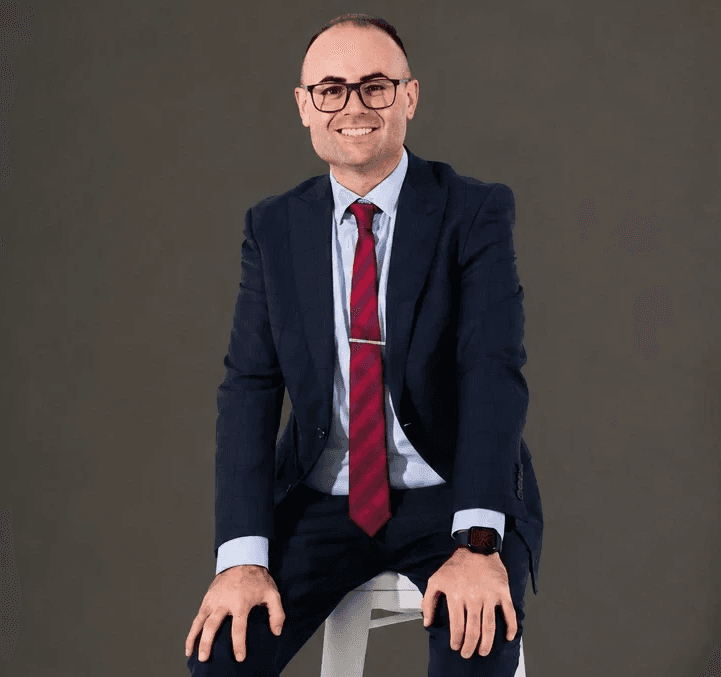

Over the past six years, I have watched the Gold Coast change considerably. It has always been one of Australia’s most desirable places to live, but increasingly it is becoming something much broader than that. The city is maturing as a business market, employers are thinking more strategically, investment continues to flow into the region and the conversations we are having with organisations today are markedly different to those we were having only a few years ago.
From where I sit as Managing Director of Whitefox Recruitment, the biggest change is not simply that businesses are hiring. It is the way they are hiring. Employers are becoming more deliberate about structure, leadership and capability. More organisations are thinking beyond the next vacancy and asking what their business needs to look like in three, five or even ten years. That change in mindset says a lot about where the Gold Coast is heading.
Infrastructure is playing a major role in that evolution. The opening of the Gold Coast Light Rail through to Burleigh Heads has created a continuous public transport corridor stretching from Helensvale through Southport, Surfers Paradise, Broadbeach and now Burleigh. Many people understandably see that as a transport outcome. I see it as something much more significant for business and employment.
For years, one of the practical limitations of recruiting on the Gold Coast has been geography. Candidates would routinely rule out opportunities because the commute from one part of the city to another simply did not stack up. As connectivity improves, that barrier starts to reduce. Employers gain access to a broader candidate market and professionals become more willing to consider roles outside the immediate area in which they live. Over time, I believe that will materially influence where businesses establish themselves, where talent moves and how the Gold Coast develops as one connected commercial economy.
The city is also showing signs of becoming more ambitious in the type of investment and innovation it attracts. This week’s coverage around new electric helicopter technology and Gold Coast HeliTours is a good example. On its own, it may look like an aviation or tourism story. Put alongside major transport investment, continued development and the Gold Coast’s broader growth trajectory, and it becomes part of a much larger picture. The city is increasingly willing to adopt new technology, attract new ideas and position itself as more than a traditional tourism economy.
That broader confidence is also reflected in the employment market.
Recruitment has changed over the past year, but I would not describe the Gold Coast market as weak. It has simply become more mature. The frantic hiring conditions seen through parts of the post-pandemic period have eased, businesses are applying greater scrutiny to headcount and candidates are taking a more considered approach to changing jobs. At the same time, demand for genuinely strong people remains high.
That distinction is important. There may be more candidates prepared to have a conversation than there were at the peak of the market, but exceptional candidates are still difficult to secure. The strongest professionals remain employed, they generally have options and they are increasingly evaluating far more than salary when considering a move. Leadership, stability, flexibility, progression and confidence in the direction of the business are all carrying considerably more weight.
We are also seeing the Gold Coast economy become more diverse in the types of people businesses need. Construction and property remain strong, supported by continued development and infrastructure investment. Professional services are maturing, with greater demand for experienced people across finance, legal, executive support, marketing, operations and management. Healthcare remains a major employer, while hospitality, tourism and retail continue to form an important part of the region’s economic base.
The interesting shift is at the senior and specialist end of the market. Gold Coast businesses are becoming more sophisticated faster than the local talent pool is deepening in some disciplines. That creates competition for proven people. In many cases, employers are no longer simply looking for someone who can perform the job. They are looking for people who can lead teams, improve commercial performance, strengthen culture and contribute to the next phase of the organisation.
That is where recruitment has become far more strategic.
The businesses achieving the strongest outcomes are generally the ones that move efficiently, know exactly what they are looking for and can articulate why an exceptional candidate should leave a secure role to join them. The highest salary does not automatically win. A compelling business, strong leadership and a credible career opportunity often matter just as much.
Speed remains another major factor. We continue to see good candidates lost because businesses take too long to make decisions. Additional interview stages, delayed approvals and internal uncertainty can quickly turn a strong recruitment process into a missed opportunity. Even in a more balanced employment market, exceptional people rarely remain available for long.
Looking towards 2027, I expect these dynamics to become even more pronounced.
The Gold Coast will continue to benefit from population growth, infrastructure investment, development and the longer-term economic activity associated with Brisbane 2032. Improved connectivity should make the local labour market more fluid, while continued commercial growth will increase demand for experienced professionals and leaders. I also expect more businesses to begin thinking seriously about workforce planning rather than relying on reactive recruitment when someone resigns.
That shift will be critical.
The businesses best positioned for 2027 will be those already identifying where their capability gaps are likely to emerge and building relationships with talent before the requirement becomes urgent. Waiting until a key person leaves and then expecting the right replacement to appear within two weeks is becoming an increasingly risky way to operate.
September and October are therefore particularly important. Businesses commencing recruitment now still have a realistic opportunity to identify and secure people before the Christmas slowdown. Those leaving critical appointments until November can quickly find themselves dealing with notice periods, annual leave, shutdowns and commencement dates extending well into the new year.
My view is that 2027 will not necessarily be characterised by an employment boom. It will be characterised by better businesses becoming more deliberate about the people they hire and retain.
The Gold Coast has spent years building infrastructure, attracting investment and establishing itself as one of the most desirable cities in the country. The next challenge is ensuring the local workforce and business community can keep pace with that growth.
I believe the biggest constraint facing many Gold Coast businesses over the next five years will not be finding customers. It will be finding, developing and retaining enough exceptional people to support their ambition.
That is why the employment market matters so much to the wider economic story.
The Gold Coast is no longer simply growing in size. It is growing in sophistication.
From where I sit, 2027 could prove to be one of the most important years in that evolution.
Share to:





" height="24px" id="s9cxBnqto" width="24px"/></g></svg>)
" height="23.9261px" id="I1nmZKebR" width="23.9267px"/></svg>)
" height="23.9953px" id="XkVkrMFUb" width="23.9859px"/><path d="M 6.164 0 C 2.761 0 0 2.761 0 6.164 C 0 9.567 2.761 12.328 6.164 12.328 C 9.567 12.328 12.328 9.567 12.328 6.164 C 12.328 2.761 9.567 0 6.164 0 Z M 6.164 10.162 C 3.956 10.162 2.166 8.372 2.166 6.164 C 2.166 3.956 3.956 2.166 6.164 2.166 C 8.372 2.166 10.162 3.956 10.162 6.164 C 10.162 8.372 8.372 10.162 6.164 10.162 Z" fill="rgb(184, 184, 184)" height="12.32816px" id="RWd12yOku" transform="translate(5.836 5.836)" width="12.32816px"/><path d="M 2.878 1.439 C 2.878 2.236 2.231 2.878 1.439 2.878 C 0.642 2.878 0 2.231 0 1.439 C 0 0.642 0.647 0 1.439 0 C 2.231 0 2.878 0.647 2.878 1.439 Z" fill="rgb(184, 184, 184)" height="2.8781300000000005px" id="Z9jvUU07o" transform="translate(16.969 4.153)" width="2.8781px"/></g></svg>)
" height="23.9122px" id="cBYuHicZS" width="24.0005px"/></g></svg>)