General

Media

News

Recruitment

What Australia’s Economic Pressure Means for the Gold Coast Hiring Market

What Australia’s Economic Pressure Means for the Gold Coast Hiring Market

Joanna McNae

Joanna McNae

15

15

min read

min read

As at 20 March 2026, the Australian economy is not breaking in one dramatic moment. It is tightening by degrees, and that is often the more dangerous phase. This week’s 25 basis point increase in the cash rate, taking it to 4.10 per cent effective 18 March 2026, landed alongside a national labour force update that confirmed what many businesses have already been feeling for months: the market is still functioning, but confidence is fading, caution is spreading and the quality of economic activity is beginning to soften. (Reserve Bank of Australia)

The latest Australian Bureau of Statistics figures show that employment rose to 14,748,700 in February 2026, but that headline number needs to be read properly. The unemployment rate increased to 4.3 per cent, the participation rate lifted to 66.9 per cent, the employment-to-population ratio held at 64.0 per cent, and the underemployment rate remained at 5.9 per cent. Beneath that, the mix weakened. Full-time employment fell by 30,500, part-time employment rose by 79,400, and monthly hours worked fell to 2,007 million. That is not the profile of a labour market in freefall, but it is the profile of one becoming more fragile. The jobs market is still producing activity, but the composition of that activity is changing in a direction that usually signals softer months ahead. (Australian Bureau of Statistics)

That distinction matters because economies rarely go from healthy to broken overnight. More often, the deterioration shows up first in behaviour. Employers begin delaying decisions they would once have made quickly. Candidates stop moving unless there is an overwhelmingly clear upside. Full-time jobs become harder to justify. Work gets spread across existing teams instead of new roles being approved. Hours begin to soften before headcount does. That is the kind of environment Australia appears to be entering now, and the latest data only strengthens that read. (Australian Bureau of Statistics)

On the Gold Coast, that national softness is colliding with a local economy that still looks strong in aggregate. The city’s gross regional product sits at $49.46 billion, it supports 340,170 local jobs, and the latest profile shows 80,786 local businesses operating across the region. The local unemployment rate was 3.5 per cent in the September quarter of 2025, which remains low by historic standards, and construction was the largest local employer in 2023–24 with 53,965 jobs, representing 15.9 per cent of total employment. On paper, those are the fundamentals of a large, active and growing regional economy. (Reserve Bank of Australia)

But broad economic scale can hide a lot of stress.

The Gold Coast is uniquely exposed to confidence. It is a city built on growth, development, consumer activity, property, tourism and constant movement. When rates are low and money is cheaper, that structure works in the city’s favour. When rates are high and the cost of capital remains elevated, those same strengths can become pressure points. Development slows. Investors become more cautious. Businesses start preserving cash rather than expanding. Employers become less willing to carry headcount that is not directly tied to revenue or operational necessity. The city can still grow in the long term while feeling materially weaker in the short term. (Reserve Bank of Australia)

Recent local reporting reinforces that contradiction. The Gold Coast Bulletin has reported that councillors have backed planning aimed at accommodating one million residents by 2046, and separate Bulletin coverage has highlighted that the city may need 165,000 more dwellings plus another 20,000 for tourists to keep pace with future demand. Long term, that supports the Gold Coast growth story. Short term, however, the same publication also reported that there had already been 25 company liquidation notices recorded across the Gold Coast local government area by 19 March 2026. That tension is the entire market in one frame: future demand remains intact, but current pressure is rising hard enough to force real businesses out. (Gold Coast Bulletin)

There are similar contradictions in the development pipeline. The Gold Coast Bulletin has also reported on Marina Mirage’s redevelopment, which is projected to contribute $120 million annually to the economy and support 400 jobs each year once operational. That is a strong signal that major capital still sees long-term opportunity on the Coast. But future projects do not relieve current strain. Businesses still have to survive the next quarter, fund today’s wages, absorb today’s financing costs and make hiring decisions in the conditions in front of them, not the conditions forecast for 2029. (Gold Coast Bulletin)

That is where the labour market becomes the clearest read on sentiment.

From our seat in the market at Whitefox Recruitment, the shift is now obvious. We are seeing a clear decline in hiring activity across parts of the Gold Coast market, and a decline in candidate activity as well. Employers are not stepping away from recruitment entirely, but they are moving with far less confidence. There are fewer expansion hires, fewer speculative additions to headcount and fewer decisions being made on ambition alone. Businesses are reviewing roles more heavily before approving them, asking harder questions around return on investment, and in many cases trying to absorb more work internally before committing to a new salary line.

That is a major change from the pace and mood of the post-pandemic cycle. In stronger periods, many businesses hired ahead of demand. They moved quickly, backed growth and accepted a degree of hiring risk because the market was moving in their favour. That is not what is happening now. In this environment, many employers are hiring only when there is pressure they can no longer ignore, when a key employee exits, when compliance or leadership demands it, or when a role is so closely tied to revenue that the cost of not hiring is greater than the cost of proceeding.

The practical outcome is a market that feels slower even where demand technically still exists. Roles are taking longer to brief. Internal approvals are taking longer to secure. Decision-makers are more hesitant. Processes stall more easily. Employers want a higher calibre of candidate while offering less flexibility and often taking longer to move. In a more buoyant market, that kind of indecision would merely be inefficient. In the current market, it is becoming a real barrier to getting roles filled.

Candidate behaviour has shifted just as sharply. There is less confidence in moving for the sake of movement. Professionals who might once have explored the market more freely are now thinking harder about risk, security and timing. Higher mortgage repayments, rental pressure and a general sense that the economy is becoming less forgiving are making many candidates hold their ground unless a new role offers a meaningful improvement. That means fewer proactive applications, fewer spontaneous conversations and fewer people genuinely willing to step into uncertainty.

This is where the market becomes difficult in a more complex way. If employer activity falls but candidate movement rises, recruitment can still work. If candidate movement falls but employer confidence stays high, recruitment can still work. When both sides pull back at the same time, friction sets in everywhere. That is the phase the Gold Coast appears to be entering now. Employers are slower. Candidates are slower. Recruitment cycles drag out. Offers become harder to land. People retreat earlier in the process. Activity remains on paper, but conversion deteriorates.

There is also a broader commercial effect to this that many businesses underestimate. Slower hiring does not simply mean empty seats. It means existing teams absorb more, managers stretch further, productivity begins to erode and decision fatigue starts to build. Businesses tell themselves they are being prudent by delaying a hire, but over time that caution often creates hidden costs in service quality, sales output, response times and staff retention. In a market where the margin for error is already tighter, those secondary effects matter.

The near-term outlook, frankly, looks grim.

There is little in the latest rate decision or labour force release to suggest a fast improvement from here. The Reserve Bank’s move this week was another tightening step, not a release valve. The labour market is still standing, but the deterioration in full-time employment and hours worked suggests momentum is weakening. Locally, the Gold Coast is still growing structurally, but local reporting on business liquidations is a reminder that pressure is no longer abstract. It is already claiming casualties. (Reserve Bank of Australia)

That is why the next few months are unlikely to bring relief. The more likely scenario is further hesitation, more delayed hiring decisions, lower candidate confidence and a market that continues to slow by accumulation rather than collapse. More businesses will freeze headcount unless a role is plainly essential. More employers will stretch existing teams instead of adding to them. More recruitment processes will fail because nobody wants to commit first. More candidates will decide that uncertainty is not worth the risk and stay exactly where they are, even if they are unhappy.

For the Gold Coast specifically, the danger is that this creates a self-reinforcing cycle. When hiring slows, internal pressure increases. When internal pressure increases, teams become less effective. When teams become less effective, business performance weakens. When performance weakens, confidence falls again. That then feeds back into recruitment, because the appetite to hire reduces even further. A market does not need a formal recession to become difficult. It only needs enough hesitation, spread across enough employers and candidates, for activity to steadily grind down.

It is also important to recognise that not every sector will feel this equally. Roles tied directly to revenue, leadership, compliance and business continuity will continue to move more than discretionary appointments. Strong operators with capital, clarity and conviction will still hire, and in some cases they may benefit because weaker competitors hesitate. But that is not the same as saying the market is healthy. It is not. Opportunity still exists, but it is becoming narrower, more selective and harder won.

The Coast’s long-term story remains compelling. Population growth is still on track. Development ambition is still there. Major projects are still being planned. The city remains one of the largest and most commercially significant regional markets in the country. But none of that changes the immediate reality. Right now, confidence is weaker, hiring activity is down, candidate activity is down and the months ahead are more likely to expose pressure than release it. (Gold Coast Bulletin)

That is the market we are in as at 20 March 2026.

The headline numbers still look respectable.

What is changing is everything underneath them. (Australian Bureau of Statistics)

Share to:

Recent Insight

News

General

Media

What The Gold Coast’s 2032 Destination Plan Means For Employers

The Gold Coast has never struggled to attract attention. The beaches, lifestyle, events, hospitality, property market and tourism economy have long made the city one of Australia’s most visible destinations.

But attention and maturity are not the same thing.

The next phase of the Gold Coast will not be defined simply by how many people visit the city. It will be defined by whether the region has the infrastructure, leadership, operators and workforce depth required to support the level of growth now being planned.

That is why the Gold Coast Destination Management Plan 2026–2032 matters.

On paper, it is a tourism strategy. In reality, it is a workforce signal.

The plan points to a Gold Coast that will see increased visitor demand, greater event activity, stronger pressure on accommodation, further investment in tourism experiences, greater focus on transport and connectivity, more interest in nature-based and hinterland tourism, and a sharper push to position the city as a serious destination in the lead-up to 2032.

That means more than larger crowds. It means busier venues, higher service expectations, more pressure on operators, more demand for skilled staff, greater competition for leadership talent, heavier reliance on casual and permanent workforces, and a stronger need for businesses to professionalise how they recruit, retain and manage people.

The Gold Coast is likely to see more major events, more interstate and international attention, more commercial partnerships, more investment into visitor infrastructure, more pressure on hospitality and accommodation providers, and more businesses trying to capture the economic opportunity attached to the city’s growth.

Those changes create opportunity. They also create strain.

Every major event requires people. Every upgraded visitor experience requires people. Every new precinct, accommodation provider, hospitality venue, transport network, tourism operator, marketing campaign, construction project and commercial partnership requires people who can execute properly.

That is where the real pressure starts.

The Gold Coast is not just preparing for more visitors. It is preparing for a higher operating standard.

That distinction matters.

A city can attract attention quickly. It takes much longer to build the workforce capability required to support that attention properly.

For employers, this should be taken seriously.

The old recruitment model is becoming less reliable. A role becomes vacant, an advertisement goes live, applications are reviewed, interviews are booked and a decision is made from whoever happens to be available at that point in time.

That is not a strategy. It is a reaction.

It may have worked in a softer market. It will not be enough for the next phase of the Gold Coast.

The strongest candidates are rarely sitting online waiting for a job advertisement. They are already employed, already performing and already contributing inside businesses that understand their value.

They are not waiting to be found by accident. They need to be identified, approached properly, given a clear reason to move and represented with clarity.

That is the difference between advertising and search.

Advertising waits for the market to respond. Search goes into the market and finds the right person.

As the Gold Coast moves towards 2032, that difference will become increasingly important.

The city’s growth will create demand across hospitality, tourism, events, marketing, property, construction, infrastructure, administration, finance, operations, customer experience and executive leadership.

Some of that demand will be obvious. Much of it will not.

The pressure will not sit only in front-line roles. It will sit in the managers who hold teams together, the operators who keep venues moving, the administrators who protect process, the marketers who understand positioning, the finance professionals who protect discipline, the project leaders who turn plans into outcomes and the executives who make decisions under pressure.

That is where businesses will either strengthen or expose themselves.

Because the next phase of Gold Coast growth will not reward employers who simply move quickly. It will reward employers who move deliberately.

Speed without judgement creates poor appointments. Delay without strategy creates missed opportunities.

The market across the Gold Coast, Brisbane, South East Queensland and Northern New South Wales is already sharper than many businesses realise.

Employers are still hiring. Candidates are still moving. Opportunities are still being created.

But the standard has changed.

Candidates are more selective. Employers are more cautious. Salary expectations are more sensitive. Culture is being assessed more carefully. Leadership is being judged earlier.

A weak hiring process is no longer a minor inconvenience. It is a commercial risk.

For Whitefox Recruitment, the Destination Management Plan reinforces what the firm is already seeing on the ground.

The market has not stopped. It has become more considered.

Businesses still need people, but they need the right people. Candidates still want opportunity, but they need stronger reasons to move. Employers still have roles to fill, but the cost of getting those appointments wrong is higher than it has been in years.

That is why Whitefox Recruitment continues to move further away from volume-based recruitment and deeper into deliberate search, candidate representation and talent advisory.

A volume-based recruitment agency is often built around advertisements, applications, screening and speed.

Whitefox Recruitment is built differently.

The firm is focused on identifying the right people, mapping the market properly, engaging passive candidates, representing opportunities with precision and advising employers before poor hiring decisions become expensive problems.

That model is better aligned with where the Gold Coast is heading.

The next six years will not be business as usual.

The lead-up to 2032 will bring attention, investment and opportunity. It will also bring pressure, competition, higher standards, increased scrutiny and a greater need for employers to understand what kind of people their business actually needs before going to market.

The strongest businesses will not wait until they are under pressure to think about talent.

They will plan earlier, identify capability gaps sooner, know which roles are critical, assess whether their leadership teams are strong enough for the next phase, look at retention before resignation and treat workforce planning as a commercial lever, not an administrative task.

That is the shift.

Recruitment is no longer just about filling vacancies. It is about protecting performance, reducing risk and helping businesses make better decisions in a market where the best people have options.

Whitefox Recruitment Managing Director, Luke Hemmings, said the Gold Coast’s next phase should be viewed as a workforce issue as much as a destination issue.

“The Gold Coast is clearly preparing for a bigger, more visible and more commercially mature future. That is exciting, but it also creates pressure. Growth does not deliver itself. Events, venues, precincts, infrastructure, visitor experiences and businesses all rely on people who can actually execute.”

Mr Hemmings said employers needed to move beyond reactive recruitment if they wanted to compete properly in the lead-up to 2032.

“Too many businesses still treat recruitment as something that starts when someone resigns or when a role becomes urgent. That is too late. The best people are usually already employed. They are not sitting online waiting for a job advertisement. They need to be identified, approached and represented properly.”

He said the market was already showing signs of becoming more selective.

“Employers are still hiring and candidates are still moving, but both sides are more considered. Candidates are assessing leadership, culture, flexibility, salary, stability and career direction much earlier. Employers that run weak, slow or unclear recruitment processes will lose good people before they even get to offer stage.”

Mr Hemmings said the firm’s move further into deliberate search and talent advisory was aligned with where the region was heading.

“We are not building Whitefox Recruitment to be a volume agency. We are building a deliberate search and talent advisory firm. That means mapping the market properly, understanding candidate behaviour, advising employers earlier and helping businesses make stronger hiring decisions before pressure turns into risk.”

He said the Gold Coast’s 2032 destination strategy should not only be read by tourism operators or government bodies.

“Any employer serious about the next six years should be paying attention. City growth and workforce pressure are directly connected. A growing city needs more than investment. It needs capability. It needs leadership. It needs people who can carry the weight of expectation.”

That is the key distinction.

The Gold Coast is not just preparing for a larger visitor economy. It is preparing for a more demanding operating environment.

A growing city needs more than capital. It needs service standards, operational discipline, commercial maturity and employers who understand that talent is not an administrative function.

It is a growth lever.

Whitefox Recruitment has never built its reputation by following the industry. It has built its reputation by understanding the market, moving with conviction and making decisions based on where the region is heading.

That is why the firm continues to focus on the Gold Coast, Brisbane, South East Queensland and Northern New South Wales with a clear view of what is changing on the ground.

The next phase of the Gold Coast will not be won by businesses waiting for candidates to apply.

It will be won by businesses that understand talent early, move deliberately and treat recruitment as part of growth strategy.

The city is preparing for 2032.

The sharper question is whether employers are preparing their workforce with the same level of intent.

8

Min Read

Posted by

Luke Hemmings

News

General

Media

What The Gold Coast’s 2032 Destination Plan Means For Employers

The Gold Coast has never struggled to attract attention. The beaches, lifestyle, events, hospitality, property market and tourism economy have long made the city one of Australia’s most visible destinations.

But attention and maturity are not the same thing.

The next phase of the Gold Coast will not be defined simply by how many people visit the city. It will be defined by whether the region has the infrastructure, leadership, operators and workforce depth required to support the level of growth now being planned.

That is why the Gold Coast Destination Management Plan 2026–2032 matters.

On paper, it is a tourism strategy. In reality, it is a workforce signal.

The plan points to a Gold Coast that will see increased visitor demand, greater event activity, stronger pressure on accommodation, further investment in tourism experiences, greater focus on transport and connectivity, more interest in nature-based and hinterland tourism, and a sharper push to position the city as a serious destination in the lead-up to 2032.

That means more than larger crowds. It means busier venues, higher service expectations, more pressure on operators, more demand for skilled staff, greater competition for leadership talent, heavier reliance on casual and permanent workforces, and a stronger need for businesses to professionalise how they recruit, retain and manage people.

The Gold Coast is likely to see more major events, more interstate and international attention, more commercial partnerships, more investment into visitor infrastructure, more pressure on hospitality and accommodation providers, and more businesses trying to capture the economic opportunity attached to the city’s growth.

Those changes create opportunity. They also create strain.

Every major event requires people. Every upgraded visitor experience requires people. Every new precinct, accommodation provider, hospitality venue, transport network, tourism operator, marketing campaign, construction project and commercial partnership requires people who can execute properly.

That is where the real pressure starts.

The Gold Coast is not just preparing for more visitors. It is preparing for a higher operating standard.

That distinction matters.

A city can attract attention quickly. It takes much longer to build the workforce capability required to support that attention properly.

For employers, this should be taken seriously.

The old recruitment model is becoming less reliable. A role becomes vacant, an advertisement goes live, applications are reviewed, interviews are booked and a decision is made from whoever happens to be available at that point in time.

That is not a strategy. It is a reaction.

It may have worked in a softer market. It will not be enough for the next phase of the Gold Coast.

The strongest candidates are rarely sitting online waiting for a job advertisement. They are already employed, already performing and already contributing inside businesses that understand their value.

They are not waiting to be found by accident. They need to be identified, approached properly, given a clear reason to move and represented with clarity.

That is the difference between advertising and search.

Advertising waits for the market to respond. Search goes into the market and finds the right person.

As the Gold Coast moves towards 2032, that difference will become increasingly important.

The city’s growth will create demand across hospitality, tourism, events, marketing, property, construction, infrastructure, administration, finance, operations, customer experience and executive leadership.

Some of that demand will be obvious. Much of it will not.

The pressure will not sit only in front-line roles. It will sit in the managers who hold teams together, the operators who keep venues moving, the administrators who protect process, the marketers who understand positioning, the finance professionals who protect discipline, the project leaders who turn plans into outcomes and the executives who make decisions under pressure.

That is where businesses will either strengthen or expose themselves.

Because the next phase of Gold Coast growth will not reward employers who simply move quickly. It will reward employers who move deliberately.

Speed without judgement creates poor appointments. Delay without strategy creates missed opportunities.

The market across the Gold Coast, Brisbane, South East Queensland and Northern New South Wales is already sharper than many businesses realise.

Employers are still hiring. Candidates are still moving. Opportunities are still being created.

But the standard has changed.

Candidates are more selective. Employers are more cautious. Salary expectations are more sensitive. Culture is being assessed more carefully. Leadership is being judged earlier.

A weak hiring process is no longer a minor inconvenience. It is a commercial risk.

For Whitefox Recruitment, the Destination Management Plan reinforces what the firm is already seeing on the ground.

The market has not stopped. It has become more considered.

Businesses still need people, but they need the right people. Candidates still want opportunity, but they need stronger reasons to move. Employers still have roles to fill, but the cost of getting those appointments wrong is higher than it has been in years.

That is why Whitefox Recruitment continues to move further away from volume-based recruitment and deeper into deliberate search, candidate representation and talent advisory.

A volume-based recruitment agency is often built around advertisements, applications, screening and speed.

Whitefox Recruitment is built differently.

The firm is focused on identifying the right people, mapping the market properly, engaging passive candidates, representing opportunities with precision and advising employers before poor hiring decisions become expensive problems.

That model is better aligned with where the Gold Coast is heading.

The next six years will not be business as usual.

The lead-up to 2032 will bring attention, investment and opportunity. It will also bring pressure, competition, higher standards, increased scrutiny and a greater need for employers to understand what kind of people their business actually needs before going to market.

The strongest businesses will not wait until they are under pressure to think about talent.

They will plan earlier, identify capability gaps sooner, know which roles are critical, assess whether their leadership teams are strong enough for the next phase, look at retention before resignation and treat workforce planning as a commercial lever, not an administrative task.

That is the shift.

Recruitment is no longer just about filling vacancies. It is about protecting performance, reducing risk and helping businesses make better decisions in a market where the best people have options.

Whitefox Recruitment Managing Director, Luke Hemmings, said the Gold Coast’s next phase should be viewed as a workforce issue as much as a destination issue.

“The Gold Coast is clearly preparing for a bigger, more visible and more commercially mature future. That is exciting, but it also creates pressure. Growth does not deliver itself. Events, venues, precincts, infrastructure, visitor experiences and businesses all rely on people who can actually execute.”

Mr Hemmings said employers needed to move beyond reactive recruitment if they wanted to compete properly in the lead-up to 2032.

“Too many businesses still treat recruitment as something that starts when someone resigns or when a role becomes urgent. That is too late. The best people are usually already employed. They are not sitting online waiting for a job advertisement. They need to be identified, approached and represented properly.”

He said the market was already showing signs of becoming more selective.

“Employers are still hiring and candidates are still moving, but both sides are more considered. Candidates are assessing leadership, culture, flexibility, salary, stability and career direction much earlier. Employers that run weak, slow or unclear recruitment processes will lose good people before they even get to offer stage.”

Mr Hemmings said the firm’s move further into deliberate search and talent advisory was aligned with where the region was heading.

“We are not building Whitefox Recruitment to be a volume agency. We are building a deliberate search and talent advisory firm. That means mapping the market properly, understanding candidate behaviour, advising employers earlier and helping businesses make stronger hiring decisions before pressure turns into risk.”

He said the Gold Coast’s 2032 destination strategy should not only be read by tourism operators or government bodies.

“Any employer serious about the next six years should be paying attention. City growth and workforce pressure are directly connected. A growing city needs more than investment. It needs capability. It needs leadership. It needs people who can carry the weight of expectation.”

That is the key distinction.

The Gold Coast is not just preparing for a larger visitor economy. It is preparing for a more demanding operating environment.

A growing city needs more than capital. It needs service standards, operational discipline, commercial maturity and employers who understand that talent is not an administrative function.

It is a growth lever.

Whitefox Recruitment has never built its reputation by following the industry. It has built its reputation by understanding the market, moving with conviction and making decisions based on where the region is heading.

That is why the firm continues to focus on the Gold Coast, Brisbane, South East Queensland and Northern New South Wales with a clear view of what is changing on the ground.

The next phase of the Gold Coast will not be won by businesses waiting for candidates to apply.

It will be won by businesses that understand talent early, move deliberately and treat recruitment as part of growth strategy.

The city is preparing for 2032.

The sharper question is whether employers are preparing their workforce with the same level of intent.

8

Min Read

Posted by

Luke Hemmings

News

Sponsorship

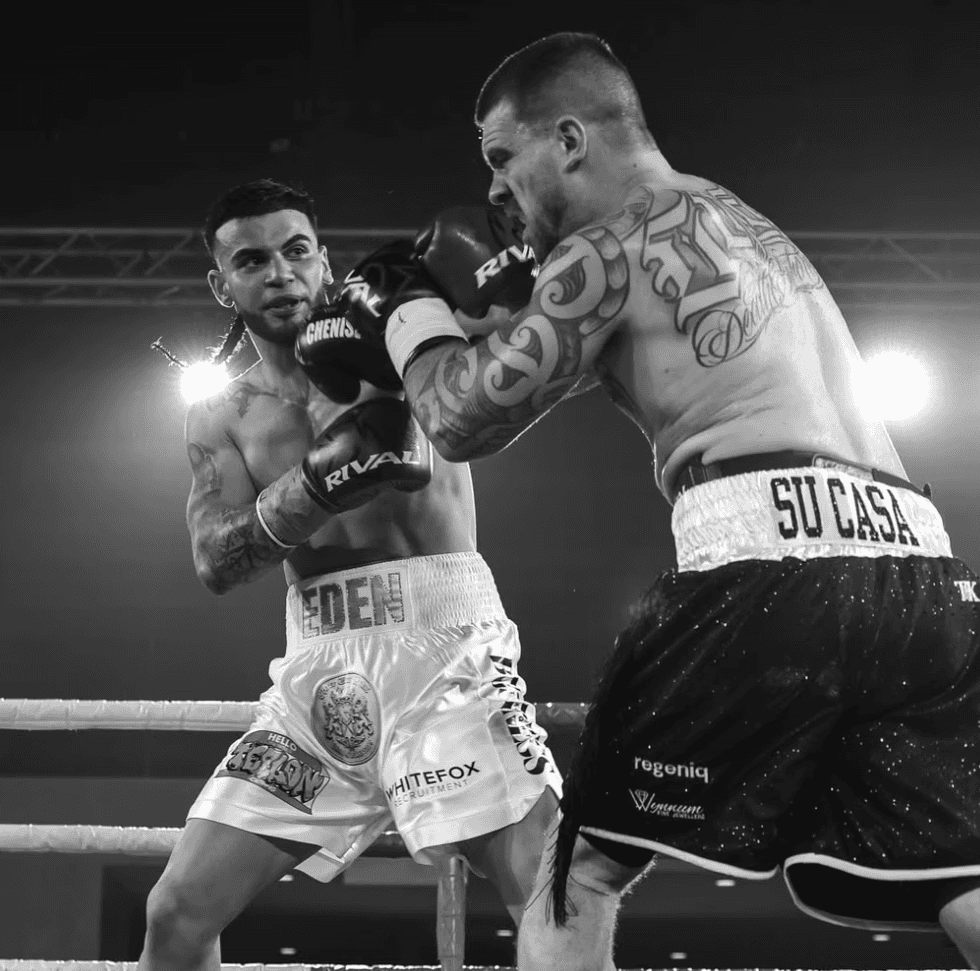
Gold Coast Boxer Tolga Eden Claims Victory at Superordinary Brisbane

Whitefox Recruitment is proud to congratulate rising local boxing talent Tolga Eden following his win at Superordinary Brisbane on 6 June.

As a major sponsor of Tolga, Whitefox Recruitment was proud to stand behind him as he stepped into the ring and delivered a result that reflected far more than one night of competition.

At just 18 years old, Tolga represents the type of local ambition Whitefox Recruitment believes should be backed early. He is building his name in the ring, developing his craft as a barber, and preparing to open his own barber shop, RTB Blendz, in Burleigh Heads.

For Whitefox Recruitment, becoming a major sponsor of Tolga was never about simply placing a logo beside a fight night. It was about backing a young local operator already showing the habits that build a future, consistency, resilience, pride in his work, commitment to his craft and the discipline to keep showing up when the work is hard and the outcome is not guaranteed.

On 6 June, that work showed.

Tolga stepped into the ring at Superordinary Brisbane and came away with the win. But the result itself is only part of the story. The bigger story is what it represents, preparation, sacrifice, focus and the ability to perform when the pressure is real.

Tolga’s story deserves attention because it reflects something bigger than one fight. He is part of a generation of young South East Queensland talent not waiting for opportunity to be handed to them. He is working, training, learning, building and now taking the next major step in business by preparing to open his own barber shop.

Boxing and barbering may look like different worlds, but the principles are closely aligned. Detail matters. Repetition matters. Composure matters. Trust is built through consistency. You sharpen your craft every day. And when it is time to perform, there is nowhere to hide.

In the barbershop, the standard is visible in the finish. In the ring, the standard is visible under pressure. In business, the standard is visible in whether people trust you enough to come back, refer others and believe in what you are building.

Whitefox Recruitment’s Managing Director, Luke Hemmings, said becoming a major sponsor of Tolga was an easy decision because his story reflects the kind of young South East Queensland talent the firm believes deserves recognition.

“Tolga is 18 years old, has built his craft as a barber, is preparing to open his own barber shop in Burleigh Heads and has now stepped out of Superordinary Brisbane with a win. That tells you a lot about his character,” Mr Hemmings said.

“He is not waiting for life to happen. He is building something. He is working, training, learning his craft, taking risks and putting himself in positions where he has to perform. That is the kind of discipline we respect at Whitefox Recruitment.”

The sponsorship reflects Whitefox Recruitment’s broader commitment to backing local talent across the Gold Coast, Brisbane and wider South East Queensland community. The region continues to produce driven young people across sport, business, trades, hospitality, professional services and creative industries, but potential needs more than praise. It needs belief, support and opportunity.

Whitefox Recruitment believes local businesses have an important role to play in backing young people who are prepared to work hard, take risks and represent the region with pride. Talent is important, but talent alone is rarely enough. The people who go furthest are usually the ones who combine ability with discipline, consistency and the willingness to keep showing up before the results are obvious.

Mr Hemmings said the connection between boxing, business and career building is clear.

“The fight is rarely won on the night. It is won in the preparation, the repetition, the sacrifice and the ability to keep showing up when nobody is watching,” he said.

“That is the same in business. It is the same in recruitment. It is the same in learning a trade or building a career. Everyone sees the outcome, but very few people see the work that created it.”

At 18, Tolga’s win at Superordinary Brisbane represents more than a result. It represents the mindset of a young person prepared to work, prepare, build a business and step into pressure with purpose.

“Tolga stepped into the ring with the kind of courage most people never have to test, and he delivered,” Mr Hemmings said.

“We are proud to have been a major sponsor of Tolga, proud to back local sport, proud to support a young local barber preparing to open his own shop in Burleigh Heads, and proud to stand behind South East Queensland talent that is prepared to chase something bigger.”

Whitefox Recruitment congratulates Tolga Eden on his win at Superordinary Brisbane on 6 June and looks forward to seeing what comes next, both in the ring and through RTB Blendz in Burleigh Heads.

5

Min Read

Posted by

Luke Hemmings

News

Sponsorship

Gold Coast Boxer Tolga Eden Claims Victory at Superordinary Brisbane

Whitefox Recruitment is proud to congratulate rising local boxing talent Tolga Eden following his win at Superordinary Brisbane on 6 June.

As a major sponsor of Tolga, Whitefox Recruitment was proud to stand behind him as he stepped into the ring and delivered a result that reflected far more than one night of competition.

At just 18 years old, Tolga represents the type of local ambition Whitefox Recruitment believes should be backed early. He is building his name in the ring, developing his craft as a barber, and preparing to open his own barber shop, RTB Blendz, in Burleigh Heads.

For Whitefox Recruitment, becoming a major sponsor of Tolga was never about simply placing a logo beside a fight night. It was about backing a young local operator already showing the habits that build a future, consistency, resilience, pride in his work, commitment to his craft and the discipline to keep showing up when the work is hard and the outcome is not guaranteed.

On 6 June, that work showed.

Tolga stepped into the ring at Superordinary Brisbane and came away with the win. But the result itself is only part of the story. The bigger story is what it represents, preparation, sacrifice, focus and the ability to perform when the pressure is real.

Tolga’s story deserves attention because it reflects something bigger than one fight. He is part of a generation of young South East Queensland talent not waiting for opportunity to be handed to them. He is working, training, learning, building and now taking the next major step in business by preparing to open his own barber shop.

Boxing and barbering may look like different worlds, but the principles are closely aligned. Detail matters. Repetition matters. Composure matters. Trust is built through consistency. You sharpen your craft every day. And when it is time to perform, there is nowhere to hide.

In the barbershop, the standard is visible in the finish. In the ring, the standard is visible under pressure. In business, the standard is visible in whether people trust you enough to come back, refer others and believe in what you are building.

Whitefox Recruitment’s Managing Director, Luke Hemmings, said becoming a major sponsor of Tolga was an easy decision because his story reflects the kind of young South East Queensland talent the firm believes deserves recognition.

“Tolga is 18 years old, has built his craft as a barber, is preparing to open his own barber shop in Burleigh Heads and has now stepped out of Superordinary Brisbane with a win. That tells you a lot about his character,” Mr Hemmings said.

“He is not waiting for life to happen. He is building something. He is working, training, learning his craft, taking risks and putting himself in positions where he has to perform. That is the kind of discipline we respect at Whitefox Recruitment.”

The sponsorship reflects Whitefox Recruitment’s broader commitment to backing local talent across the Gold Coast, Brisbane and wider South East Queensland community. The region continues to produce driven young people across sport, business, trades, hospitality, professional services and creative industries, but potential needs more than praise. It needs belief, support and opportunity.

Whitefox Recruitment believes local businesses have an important role to play in backing young people who are prepared to work hard, take risks and represent the region with pride. Talent is important, but talent alone is rarely enough. The people who go furthest are usually the ones who combine ability with discipline, consistency and the willingness to keep showing up before the results are obvious.

Mr Hemmings said the connection between boxing, business and career building is clear.

“The fight is rarely won on the night. It is won in the preparation, the repetition, the sacrifice and the ability to keep showing up when nobody is watching,” he said.

“That is the same in business. It is the same in recruitment. It is the same in learning a trade or building a career. Everyone sees the outcome, but very few people see the work that created it.”

At 18, Tolga’s win at Superordinary Brisbane represents more than a result. It represents the mindset of a young person prepared to work, prepare, build a business and step into pressure with purpose.

“Tolga stepped into the ring with the kind of courage most people never have to test, and he delivered,” Mr Hemmings said.

“We are proud to have been a major sponsor of Tolga, proud to back local sport, proud to support a young local barber preparing to open his own shop in Burleigh Heads, and proud to stand behind South East Queensland talent that is prepared to chase something bigger.”

Whitefox Recruitment congratulates Tolga Eden on his win at Superordinary Brisbane on 6 June and looks forward to seeing what comes next, both in the ring and through RTB Blendz in Burleigh Heads.

5

Min Read

Posted by

Luke Hemmings

News

Recruitment

General

Why Whitefox Recruitment Is Moving Away From Traditional Social Media

Whitefox Recruitment has made a deliberate and material decision to move away from traditional social media platforms such as Instagram, Facebook and TikTok, and shift its primary digital focus to LinkedIn. This is not because those platforms have no value. They do. However, value and relevance are not the same thing. The next phase of Whitefox Recruitment requires a sharper platform, a more commercially aligned audience and a communication strategy built around authority, not attention.

For years, businesses have been told they need to be everywhere online. Instagram, Facebook, TikTok, reels, stories, short-form video, daily posting and constant visibility have become the default expectation. The assumption has been simple: if a business is not active on every platform, it is somehow falling behind. Whitefox Recruitment does not accept that view. The stronger question is not whether a business is visible. The stronger question is whether its visibility is reaching the right people, in the right environment, for the right commercial reason.

The uncomfortable truth is that many businesses confuse online activity with market authority. A busy feed does not automatically create trust. A viral post does not necessarily build credibility. A high view count does not mean the right decision-makers are paying attention. In many cases, traditional social media can become noise dressed up as marketing. It can create movement without meaning, content without conversion and visibility without commercial weight.

Whitefox Recruitment is not stepping back from digital. It is stepping away from noise.

Recruitment is not entertainment. It is not a trend cycle, a popularity contest or an exercise in feeding an algorithm. Recruitment affects careers, companies, leadership teams, culture, revenue and long-term business performance. A strong hire can lift pressure inside a business, protect momentum and raise internal standards. A poor hire can cost time, money, morale, client experience and commercial confidence. That is why the platform matters.

Traditional social media can humanise a brand. It can show personality. It can build recognition. It can keep a business visible in the market. However, visibility without commercial relevance has limited value. A recruitment firm does not win meaningful client trust simply because it posts frequently. It wins trust because the market believes it understands people, timing, pressure, salary movement, candidate behaviour and hiring risk.

That is the distinction Whitefox Recruitment is now leaning into. The business has always believed in brand. It has invested heavily in market presence, storytelling, visibility and positioning. It has built one of the most recognised recruitment brands in the Gold Coast market by being prepared to move differently. However, the business has matured, the market has matured, and the digital strategy now needs to mature with it.

Whitefox Recruitment has not arrived at this decision because it failed to understand traditional visibility. Quite the opposite. The firm has already proven the impact that bold market presence can create when executed properly. Across 2023 and 2024, Whitefox Recruitment became the only recruitment agency on the Gold Coast to execute a major brand activation of its kind, wrapping a fleet of 12 buses across the region from Oxenford to Tweed Heads.

The campaign was supported by major billboard placements across some of the city’s most visible corridors, including the Gold Coast Highway, Bundall Road, Brisbane Road, Marine Parade and Ferry Road. That campaign placed Whitefox Recruitment across the physical movement of the city, not tucked away inside a feed competing for attention against trends, commentary and disposable content.

The firm also became the only recruitment agency in the history of Gold Coast Airport to complete a major takeover of the three baggage carousel full-length wall screens. That placed the Whitefox Recruitment brand directly in front of one of the highest-volume captive audiences in the region, including employers, executives, business owners, professionals, candidates, tourists, interstate decision-makers and returning locals.

That exposure matters because Gold Coast Airport is not just an airport. It is one of the key gateways into the region. Gold Coast Airport says it connects more than six million travellers each year, and in April 2026 the airport recorded its busiest April in history, with 570,703 passengers travelling through the terminal. That was 41,606 more passengers than the same period the year prior, and it surpassed the previous April record set in 2018. The busiest day was 19 April, the final day of the school holidays, when more than 22,400 passengers passed through the terminal.

That means Whitefox Recruitment was not simply running airport advertising. It was positioning the brand in a premium, high-trust, high-volume environment at the point where people enter the Gold Coast. While the exact number of individual viewers depends on campaign duration, passenger movement and flight volume during the activation period, the scale of the environment is clear. A full baggage carousel takeover inside an airport moving more than half a million passengers in April 2026 alone had the potential to generate significant repeated exposure in a setting most recruitment agencies never enter.

That matters because Whitefox Recruitment has already done what many agencies never will. It has invested in scale. It has taken the brand offline. It has put recruitment into spaces normally reserved for property groups, tourism brands, national retailers and major corporates. It has shown that a recruitment firm can command serious market presence when it has the confidence and commercial reason to do so.

This is why the move away from traditional social media should not be mistaken for the firm becoming quieter. Whitefox Recruitment knows how to create attention. The next phase is about turning that attention into authority.

It is also about moving into a more impactful marketing model. That means fewer low-value posts designed only to keep a feed alive, and more strategic activity that carries weight in the market. It means choosing platforms, placements and campaigns based on commercial impact, not habit. It means using marketing to support trust, lead generation, candidate attraction, client confidence and long-term brand authority.

It also means investing further into video, but not generic video for the sake of content volume. Whitefox Recruitment’s next phase of videography will be more cinematic, more intentional and more aligned with the standard of the brand. The focus will not be on disposable clips, recycled trends or low-value social content. It will be on premium storytelling, stronger visual identity, sharper founder-led commentary, market-facing insights and content that feels closer to a brand film than a social media obligation.

This is important because video still matters. In fact, it matters more when it is done properly. The issue is not video itself. The issue is generic video. The market does not need another recruitment agency posting the same desk shots, coffee clips, office walk-throughs or trend-based reels. Whitefox Recruitment’s direction is different. The firm is moving towards cinematography that captures the business with more depth, more polish and more commercial intent.

The next stage of Whitefox Recruitment’s content strategy will therefore sit across three stronger pillars: LinkedIn as the primary professional platform, high-impact brand activations that place the business in premium market environments, and cinematic videography that strengthens the firm’s authority, story and market position.

LinkedIn is where the serious recruitment conversation now belongs. It is where business owners, executives, managers and professionals are already thinking about hiring, workforce pressure, leadership, career movement, market conditions and commercial decisions. It is where employers observe who actually understands the market. It is where candidates assess who they would trust with their next move. It is where professional credibility is built, tested and remembered.

For Whitefox Recruitment, LinkedIn is not simply another social media platform. It is the most commercially relevant platform for the type of recruitment business the firm is becoming. Whitefox Recruitment is moving deeper into principal-led search, candidate representation and advisory-led hiring. That means more market intelligence, more passive candidate engagement, more strategic client conversations and a stronger focus on long-term hiring outcomes.

This change also reflects the deeper shift taking place inside Whitefox Recruitment. The firm is continuing to move away from a volume-based recruitment model and further into deliberate search, candidate representation and talent advisory. That distinction matters. A volume-based agency is often built around advertising roles, collecting applications, screening large numbers of CVs and moving quickly through a transactional process. Whitefox Recruitment’s direction is different.

The firm is increasingly focused on identifying the right people, not simply processing more people. That means deeper market mapping, passive candidate engagement, targeted search, stronger briefing, sharper candidate positioning and more strategic conversations with employers about what they actually need before going to market.

In that model, traditional social media plays a different role. It may support awareness, but it does not sit at the centre of trust. A deliberate search and talent advisory firm needs to be visible where professional credibility is built, where business leaders pay attention and where candidates think seriously about career movement. That is why LinkedIn is now the primary platform.

This is also why Whitefox Recruitment’s content is changing. The firm is not trying to win a volume game. It is not trying to produce endless posts for the sake of staying present. It is building a more considered content strategy that reflects the work it is actually doing: advising employers, reading the market, identifying passive talent, representing candidates properly and helping businesses make better hiring decisions.

The future of Whitefox Recruitment is not about being louder. It is about being more precise.

Whitefox Recruitment has never built its reputation by following the industry. It has built its reputation by staying in its own lane, understanding its market and making decisions based on where the business is going, not where the industry expects it to stand.

That approach has earned the firm credibility year after year across the past six years. Whitefox Recruitment has continued to be recognised for its brand, service, market presence and recruitment outcomes because it has not tried to operate like every other agency. It has moved differently, invested differently and communicated differently.

In 2026, that approach was further recognised when Whitefox Recruitment secured the number one position in Best of the Gold Coast Recruitment Firms. For the firm, that recognition did not come from chasing industry trends. It came from building a brand with local presence, commercial conviction and a clear understanding of the market it serves.

The strongest candidates are rarely sitting online waiting for a job advertisement. They are usually already employed, performing well and not actively looking. They are not scrolling traditional social media hoping a generic job post appears in front of them. They need to be identified. They need to be approached properly. They need to be engaged with context. They need to be represented with care.

That is the difference between advertising and search. Advertising waits for the market to come to you. Search goes into the market and finds the right person. Whitefox Recruitment is placing more focus on the latter.

This is why the shift to LinkedIn matters. LinkedIn allows Whitefox Recruitment to speak directly to employers making hiring decisions, candidates considering career movement and business leaders who understand that talent is not an administrative function. It is a commercial lever. It allows the firm to publish market updates, hiring insights, candidate trends, salary observations, role-specific intelligence, leadership commentary and honest recruitment advice from the front line.

Not content for the sake of an algorithm. Content for the people actually making decisions.

Whitefox Recruitment Managing Director, Luke Hemmings, said the move was about becoming sharper, not quieter.

“The market does not need more noise. It needs more clarity. We are not interested in posting for the sake of posting. We want our content to help employers understand what is happening in the market, what candidates are responding to and how hiring behaviour is changing.”

Mr Hemmings said recruitment firms needed to stop confusing attention with authority.

“A recruitment firm can be visible online and still have no real influence in the market. The question is not whether people have seen your content. The question is whether the right people trust your judgement when a hiring decision matters.”

He said LinkedIn was better aligned with the next phase of Whitefox Recruitment.

“Our business is becoming more advisory-led. We are having more serious conversations with employers about talent strategy, candidate attraction, passive search, retention risk, salary expectations and market positioning. LinkedIn is where that level of conversation belongs.”

Mr Hemmings said the decision also reflected the firm’s move into more impactful marketing.

“We have already shown the market that Whitefox Recruitment can create attention at scale. We have wrapped buses, taken over major road corridors and put the brand inside Gold Coast Airport in a way recruitment agencies simply do not do. The next stage is not about doing less marketing. It is about doing more meaningful marketing. More impact, more authority and more commercial relevance.”

He said video would remain an important part of the firm’s strategy, but with a higher standard.

“Video still matters, but generic video does not move the market. Our next phase is about cinematic storytelling, stronger visual identity and content that actually reflects the level of the brand. We are not interested in producing content just to keep a feed alive. We want content that has weight, polish and commercial purpose.”

Mr Hemmings said the firm’s move away from traditional social media also reflects its broader evolution away from volume-based recruitment.

“We are not building Whitefox Recruitment to be a volume agency. We are building a deliberate search and talent advisory firm. That means our marketing has to reflect the level of the work. We are advising clients, mapping markets, approaching passive candidates and representing people properly. LinkedIn is far better aligned with that direction than platforms built mainly around entertainment and short attention spans.”

He said Whitefox Recruitment’s growth had never come from following the rest of the industry.

“We do not follow the industry. We follow our lane. That is what has built credibility year after year across the past six years. We have made decisions that made sense for our market, our clients and our candidates, not decisions designed to look like everyone else. Being recognised as number one in the Best of the Gold Coast Recruitment Firms in 2026 reinforces that the market respects a firm prepared to lead differently.”

That is the key distinction. Whitefox Recruitment is not moving away from traditional social media because it has stopped believing in brand. It is moving because it believes brand should serve the business, not distract from it. Brand should create trust, not simply attention. It should support commercial conversations, not chase vanity metrics. It should position the firm as a serious operator in the recruitment market, not just another business trying to stay visible online.

There is a material difference between brand awareness and brand authority. Brand awareness means people know your name. Brand authority means people trust your judgement. Whitefox Recruitment has already built strong awareness across the Gold Coast and the broader markets it serves. The next phase is about deepening authority, sharpening its voice and putting its insights where they carry the most commercial weight.

That requires discipline. It means resisting the pressure to be everywhere. It means saying less where the audience is not commercially aligned and saying more where the conversation matters. It means choosing relevance over reach. It means choosing substance over noise. It means understanding that not every platform deserves equal attention simply because it exists.

For employers, this shift means Whitefox Recruitment’s commentary will become more practical, more direct and more useful. The firm will continue to speak honestly about hiring conditions, candidate behaviour, salary pressure, market movement, weak recruitment processes and the standards required to secure strong people. It will use LinkedIn to give employers a clearer view of what is actually happening in the market, not just what sounds polished in theory.

For candidates, it means clearer insight into what employers are looking for, how the market is moving and how to position themselves properly when considering a career move. It means more considered commentary around representation, career timing, presentation, salary expectations and the difference between simply applying for a job and being properly positioned for an opportunity.

The practical reality is that recruitment has moved beyond simple job posting. Employers do not just need applicants. They need the right people. Candidates do not just need job ads. They need proper representation. Both sides need a recruitment partner who understands timing, positioning, communication and market context.

That is where LinkedIn becomes more than a platform. It becomes a professional marketplace of trust.

Instagram, Facebook and TikTok may still have a place from time to time. They can support personality, community presence and broader brand visibility. They can show the human side of a business. They can help people understand the energy behind the brand. However, they will no longer sit at the centre of Whitefox Recruitment’s strategy.

The centre is now LinkedIn.

This is not a soft brand pivot. It is a strategic decision.

The recruitment market is not short of content. It is short of useful commentary. It is short of recruitment firms prepared to say what they are actually seeing, not just what sounds good online. It is short of operators willing to move beyond vanity metrics and focus on what actually matters: better hiring outcomes, stronger candidate representation and more informed business decisions.

Whitefox Recruitment’s next digital phase will not be driven by chasing every platform, every trend or every algorithm. It will be driven by clarity, credibility and market intelligence. It will be built around the conversations that matter most to employers, candidates and the broader business community.

The old social media playbook is not broken for every business, but it is no longer the right centre of gravity for Whitefox Recruitment.

The next phase will not reward businesses that simply post more. It will reward those that say something worth listening to. It will reward clarity over noise, authority over attention and commercial relevance over empty reach.

Whitefox Recruitment is not stepping back from digital. It is stepping into a sharper version of it.

More relevance. More authority. More commercial value. More impactful marketing.

That is where the recruitment industry is heading.

And that is where Whitefox Recruitment intends to lead.

5

Min Read

Posted by

Luke Hemmings

News

Recruitment

General

Why Whitefox Recruitment Is Moving Away From Traditional Social Media

Whitefox Recruitment has made a deliberate and material decision to move away from traditional social media platforms such as Instagram, Facebook and TikTok, and shift its primary digital focus to LinkedIn. This is not because those platforms have no value. They do. However, value and relevance are not the same thing. The next phase of Whitefox Recruitment requires a sharper platform, a more commercially aligned audience and a communication strategy built around authority, not attention.

For years, businesses have been told they need to be everywhere online. Instagram, Facebook, TikTok, reels, stories, short-form video, daily posting and constant visibility have become the default expectation. The assumption has been simple: if a business is not active on every platform, it is somehow falling behind. Whitefox Recruitment does not accept that view. The stronger question is not whether a business is visible. The stronger question is whether its visibility is reaching the right people, in the right environment, for the right commercial reason.

The uncomfortable truth is that many businesses confuse online activity with market authority. A busy feed does not automatically create trust. A viral post does not necessarily build credibility. A high view count does not mean the right decision-makers are paying attention. In many cases, traditional social media can become noise dressed up as marketing. It can create movement without meaning, content without conversion and visibility without commercial weight.

Whitefox Recruitment is not stepping back from digital. It is stepping away from noise.

Recruitment is not entertainment. It is not a trend cycle, a popularity contest or an exercise in feeding an algorithm. Recruitment affects careers, companies, leadership teams, culture, revenue and long-term business performance. A strong hire can lift pressure inside a business, protect momentum and raise internal standards. A poor hire can cost time, money, morale, client experience and commercial confidence. That is why the platform matters.

Traditional social media can humanise a brand. It can show personality. It can build recognition. It can keep a business visible in the market. However, visibility without commercial relevance has limited value. A recruitment firm does not win meaningful client trust simply because it posts frequently. It wins trust because the market believes it understands people, timing, pressure, salary movement, candidate behaviour and hiring risk.

That is the distinction Whitefox Recruitment is now leaning into. The business has always believed in brand. It has invested heavily in market presence, storytelling, visibility and positioning. It has built one of the most recognised recruitment brands in the Gold Coast market by being prepared to move differently. However, the business has matured, the market has matured, and the digital strategy now needs to mature with it.

Whitefox Recruitment has not arrived at this decision because it failed to understand traditional visibility. Quite the opposite. The firm has already proven the impact that bold market presence can create when executed properly. Across 2023 and 2024, Whitefox Recruitment became the only recruitment agency on the Gold Coast to execute a major brand activation of its kind, wrapping a fleet of 12 buses across the region from Oxenford to Tweed Heads.

The campaign was supported by major billboard placements across some of the city’s most visible corridors, including the Gold Coast Highway, Bundall Road, Brisbane Road, Marine Parade and Ferry Road. That campaign placed Whitefox Recruitment across the physical movement of the city, not tucked away inside a feed competing for attention against trends, commentary and disposable content.

The firm also became the only recruitment agency in the history of Gold Coast Airport to complete a major takeover of the three baggage carousel full-length wall screens. That placed the Whitefox Recruitment brand directly in front of one of the highest-volume captive audiences in the region, including employers, executives, business owners, professionals, candidates, tourists, interstate decision-makers and returning locals.

That exposure matters because Gold Coast Airport is not just an airport. It is one of the key gateways into the region. Gold Coast Airport says it connects more than six million travellers each year, and in April 2026 the airport recorded its busiest April in history, with 570,703 passengers travelling through the terminal. That was 41,606 more passengers than the same period the year prior, and it surpassed the previous April record set in 2018. The busiest day was 19 April, the final day of the school holidays, when more than 22,400 passengers passed through the terminal.

That means Whitefox Recruitment was not simply running airport advertising. It was positioning the brand in a premium, high-trust, high-volume environment at the point where people enter the Gold Coast. While the exact number of individual viewers depends on campaign duration, passenger movement and flight volume during the activation period, the scale of the environment is clear. A full baggage carousel takeover inside an airport moving more than half a million passengers in April 2026 alone had the potential to generate significant repeated exposure in a setting most recruitment agencies never enter.

That matters because Whitefox Recruitment has already done what many agencies never will. It has invested in scale. It has taken the brand offline. It has put recruitment into spaces normally reserved for property groups, tourism brands, national retailers and major corporates. It has shown that a recruitment firm can command serious market presence when it has the confidence and commercial reason to do so.

This is why the move away from traditional social media should not be mistaken for the firm becoming quieter. Whitefox Recruitment knows how to create attention. The next phase is about turning that attention into authority.

It is also about moving into a more impactful marketing model. That means fewer low-value posts designed only to keep a feed alive, and more strategic activity that carries weight in the market. It means choosing platforms, placements and campaigns based on commercial impact, not habit. It means using marketing to support trust, lead generation, candidate attraction, client confidence and long-term brand authority.

It also means investing further into video, but not generic video for the sake of content volume. Whitefox Recruitment’s next phase of videography will be more cinematic, more intentional and more aligned with the standard of the brand. The focus will not be on disposable clips, recycled trends or low-value social content. It will be on premium storytelling, stronger visual identity, sharper founder-led commentary, market-facing insights and content that feels closer to a brand film than a social media obligation.

This is important because video still matters. In fact, it matters more when it is done properly. The issue is not video itself. The issue is generic video. The market does not need another recruitment agency posting the same desk shots, coffee clips, office walk-throughs or trend-based reels. Whitefox Recruitment’s direction is different. The firm is moving towards cinematography that captures the business with more depth, more polish and more commercial intent.

The next stage of Whitefox Recruitment’s content strategy will therefore sit across three stronger pillars: LinkedIn as the primary professional platform, high-impact brand activations that place the business in premium market environments, and cinematic videography that strengthens the firm’s authority, story and market position.

LinkedIn is where the serious recruitment conversation now belongs. It is where business owners, executives, managers and professionals are already thinking about hiring, workforce pressure, leadership, career movement, market conditions and commercial decisions. It is where employers observe who actually understands the market. It is where candidates assess who they would trust with their next move. It is where professional credibility is built, tested and remembered.

For Whitefox Recruitment, LinkedIn is not simply another social media platform. It is the most commercially relevant platform for the type of recruitment business the firm is becoming. Whitefox Recruitment is moving deeper into principal-led search, candidate representation and advisory-led hiring. That means more market intelligence, more passive candidate engagement, more strategic client conversations and a stronger focus on long-term hiring outcomes.

This change also reflects the deeper shift taking place inside Whitefox Recruitment. The firm is continuing to move away from a volume-based recruitment model and further into deliberate search, candidate representation and talent advisory. That distinction matters. A volume-based agency is often built around advertising roles, collecting applications, screening large numbers of CVs and moving quickly through a transactional process. Whitefox Recruitment’s direction is different.

The firm is increasingly focused on identifying the right people, not simply processing more people. That means deeper market mapping, passive candidate engagement, targeted search, stronger briefing, sharper candidate positioning and more strategic conversations with employers about what they actually need before going to market.

In that model, traditional social media plays a different role. It may support awareness, but it does not sit at the centre of trust. A deliberate search and talent advisory firm needs to be visible where professional credibility is built, where business leaders pay attention and where candidates think seriously about career movement. That is why LinkedIn is now the primary platform.

This is also why Whitefox Recruitment’s content is changing. The firm is not trying to win a volume game. It is not trying to produce endless posts for the sake of staying present. It is building a more considered content strategy that reflects the work it is actually doing: advising employers, reading the market, identifying passive talent, representing candidates properly and helping businesses make better hiring decisions.

The future of Whitefox Recruitment is not about being louder. It is about being more precise.

Whitefox Recruitment has never built its reputation by following the industry. It has built its reputation by staying in its own lane, understanding its market and making decisions based on where the business is going, not where the industry expects it to stand.

That approach has earned the firm credibility year after year across the past six years. Whitefox Recruitment has continued to be recognised for its brand, service, market presence and recruitment outcomes because it has not tried to operate like every other agency. It has moved differently, invested differently and communicated differently.

In 2026, that approach was further recognised when Whitefox Recruitment secured the number one position in Best of the Gold Coast Recruitment Firms. For the firm, that recognition did not come from chasing industry trends. It came from building a brand with local presence, commercial conviction and a clear understanding of the market it serves.

The strongest candidates are rarely sitting online waiting for a job advertisement. They are usually already employed, performing well and not actively looking. They are not scrolling traditional social media hoping a generic job post appears in front of them. They need to be identified. They need to be approached properly. They need to be engaged with context. They need to be represented with care.

That is the difference between advertising and search. Advertising waits for the market to come to you. Search goes into the market and finds the right person. Whitefox Recruitment is placing more focus on the latter.

This is why the shift to LinkedIn matters. LinkedIn allows Whitefox Recruitment to speak directly to employers making hiring decisions, candidates considering career movement and business leaders who understand that talent is not an administrative function. It is a commercial lever. It allows the firm to publish market updates, hiring insights, candidate trends, salary observations, role-specific intelligence, leadership commentary and honest recruitment advice from the front line.

Not content for the sake of an algorithm. Content for the people actually making decisions.

Whitefox Recruitment Managing Director, Luke Hemmings, said the move was about becoming sharper, not quieter.

“The market does not need more noise. It needs more clarity. We are not interested in posting for the sake of posting. We want our content to help employers understand what is happening in the market, what candidates are responding to and how hiring behaviour is changing.”

Mr Hemmings said recruitment firms needed to stop confusing attention with authority.

“A recruitment firm can be visible online and still have no real influence in the market. The question is not whether people have seen your content. The question is whether the right people trust your judgement when a hiring decision matters.”

He said LinkedIn was better aligned with the next phase of Whitefox Recruitment.

“Our business is becoming more advisory-led. We are having more serious conversations with employers about talent strategy, candidate attraction, passive search, retention risk, salary expectations and market positioning. LinkedIn is where that level of conversation belongs.”

Mr Hemmings said the decision also reflected the firm’s move into more impactful marketing.

“We have already shown the market that Whitefox Recruitment can create attention at scale. We have wrapped buses, taken over major road corridors and put the brand inside Gold Coast Airport in a way recruitment agencies simply do not do. The next stage is not about doing less marketing. It is about doing more meaningful marketing. More impact, more authority and more commercial relevance.”

He said video would remain an important part of the firm’s strategy, but with a higher standard.

“Video still matters, but generic video does not move the market. Our next phase is about cinematic storytelling, stronger visual identity and content that actually reflects the level of the brand. We are not interested in producing content just to keep a feed alive. We want content that has weight, polish and commercial purpose.”

Mr Hemmings said the firm’s move away from traditional social media also reflects its broader evolution away from volume-based recruitment.

“We are not building Whitefox Recruitment to be a volume agency. We are building a deliberate search and talent advisory firm. That means our marketing has to reflect the level of the work. We are advising clients, mapping markets, approaching passive candidates and representing people properly. LinkedIn is far better aligned with that direction than platforms built mainly around entertainment and short attention spans.”

He said Whitefox Recruitment’s growth had never come from following the rest of the industry.

“We do not follow the industry. We follow our lane. That is what has built credibility year after year across the past six years. We have made decisions that made sense for our market, our clients and our candidates, not decisions designed to look like everyone else. Being recognised as number one in the Best of the Gold Coast Recruitment Firms in 2026 reinforces that the market respects a firm prepared to lead differently.”

That is the key distinction. Whitefox Recruitment is not moving away from traditional social media because it has stopped believing in brand. It is moving because it believes brand should serve the business, not distract from it. Brand should create trust, not simply attention. It should support commercial conversations, not chase vanity metrics. It should position the firm as a serious operator in the recruitment market, not just another business trying to stay visible online.

There is a material difference between brand awareness and brand authority. Brand awareness means people know your name. Brand authority means people trust your judgement. Whitefox Recruitment has already built strong awareness across the Gold Coast and the broader markets it serves. The next phase is about deepening authority, sharpening its voice and putting its insights where they carry the most commercial weight.

That requires discipline. It means resisting the pressure to be everywhere. It means saying less where the audience is not commercially aligned and saying more where the conversation matters. It means choosing relevance over reach. It means choosing substance over noise. It means understanding that not every platform deserves equal attention simply because it exists.

For employers, this shift means Whitefox Recruitment’s commentary will become more practical, more direct and more useful. The firm will continue to speak honestly about hiring conditions, candidate behaviour, salary pressure, market movement, weak recruitment processes and the standards required to secure strong people. It will use LinkedIn to give employers a clearer view of what is actually happening in the market, not just what sounds polished in theory.

For candidates, it means clearer insight into what employers are looking for, how the market is moving and how to position themselves properly when considering a career move. It means more considered commentary around representation, career timing, presentation, salary expectations and the difference between simply applying for a job and being properly positioned for an opportunity.

The practical reality is that recruitment has moved beyond simple job posting. Employers do not just need applicants. They need the right people. Candidates do not just need job ads. They need proper representation. Both sides need a recruitment partner who understands timing, positioning, communication and market context.

That is where LinkedIn becomes more than a platform. It becomes a professional marketplace of trust.

Instagram, Facebook and TikTok may still have a place from time to time. They can support personality, community presence and broader brand visibility. They can show the human side of a business. They can help people understand the energy behind the brand. However, they will no longer sit at the centre of Whitefox Recruitment’s strategy.

The centre is now LinkedIn.

This is not a soft brand pivot. It is a strategic decision.

The recruitment market is not short of content. It is short of useful commentary. It is short of recruitment firms prepared to say what they are actually seeing, not just what sounds good online. It is short of operators willing to move beyond vanity metrics and focus on what actually matters: better hiring outcomes, stronger candidate representation and more informed business decisions.

Whitefox Recruitment’s next digital phase will not be driven by chasing every platform, every trend or every algorithm. It will be driven by clarity, credibility and market intelligence. It will be built around the conversations that matter most to employers, candidates and the broader business community.

The old social media playbook is not broken for every business, but it is no longer the right centre of gravity for Whitefox Recruitment.

The next phase will not reward businesses that simply post more. It will reward those that say something worth listening to. It will reward clarity over noise, authority over attention and commercial relevance over empty reach.

Whitefox Recruitment is not stepping back from digital. It is stepping into a sharper version of it.

More relevance. More authority. More commercial value. More impactful marketing.

That is where the recruitment industry is heading.

And that is where Whitefox Recruitment intends to lead.

5

Min Read

Posted by

Luke Hemmings

H

I

T

E

F

X

Have an
Enquiry?

Whether you are hiring, considering your next move, or seeking market insight, we welcome a confidential conversation.

Stay Connected

By subscribing you agree to our

Privacy Policy

Service Areas

Brisbane

Gold Coast

Byron Bay

Sunshine Coast

Toowoomba

By Appointment Only
Socials

© 2026 Whitefox Recruitment. All Rights Reserved.

H

I

T

E

F

X

Have an
Enquiry?

Whether you are hiring, considering your next move, or seeking market insight, we welcome a confidential conversation.

Stay Connected

By subscribing you agree to our

Privacy Policy

Service Areas

Brisbane

Gold Coast

Byron Bay

Sunshine Coast

Toowoomba

By Appointment Only
Socials

© 2026 Whitefox Recruitment. All Rights Reserved.

H

I

T

E

F

X

Have an
Enquiry?

Whether you are hiring, considering your next move, or seeking market insight, we welcome a confidential conversation.

Stay Connected

By subscribing you agree to our

Privacy Policy

Service Areas

Brisbane

Gold Coast

Byron Bay

Sunshine Coast

Toowoomba

By Appointment Only
Socials

© 2026 Whitefox Recruitment. All Rights Reserved.